PRODUCTS SOLD ON PEPTIDESLABUSA.COM ARE FOR RESEARCH PURPOSES ONLY AND ARE NOT FOR HUMAN OR VETERINARY USE.
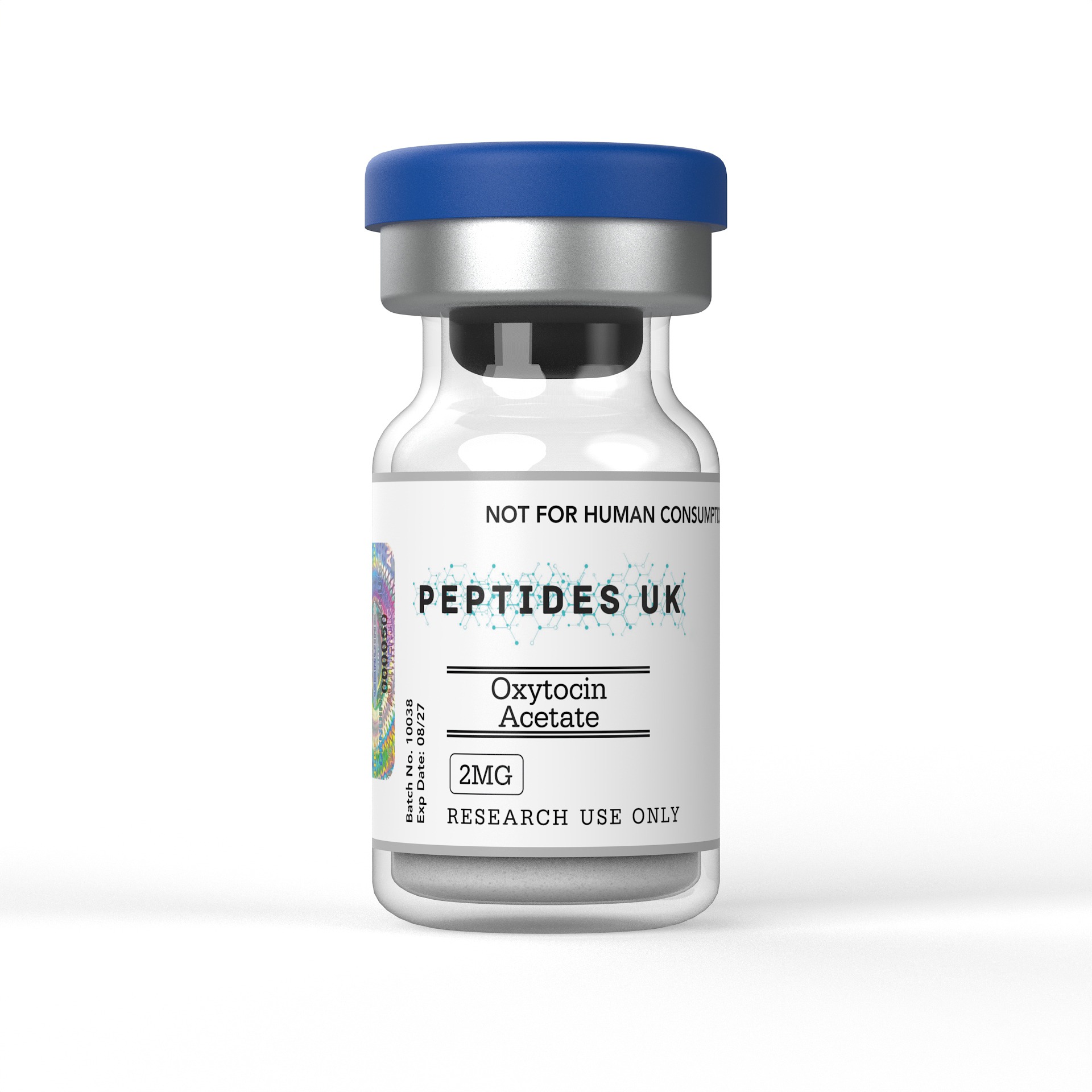
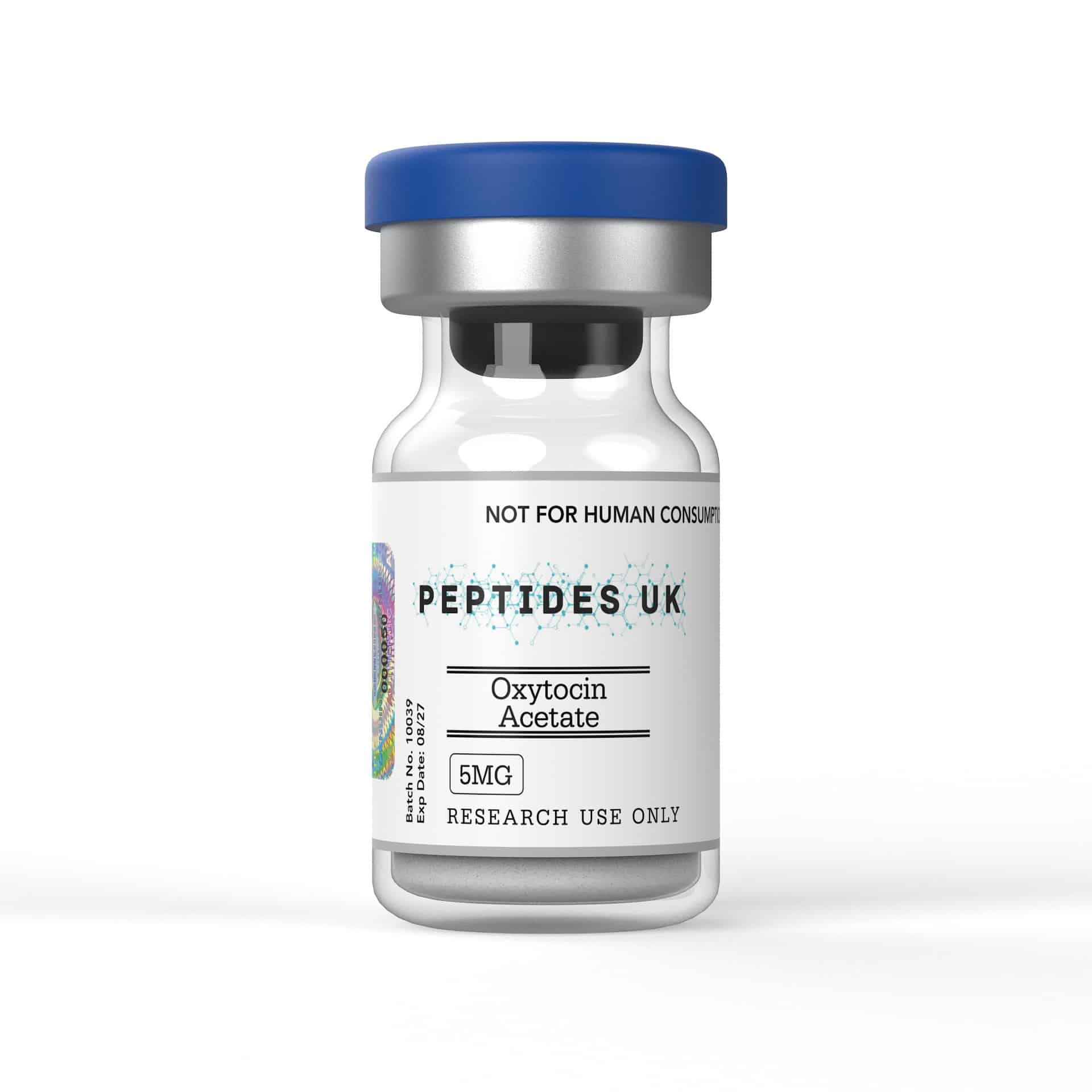
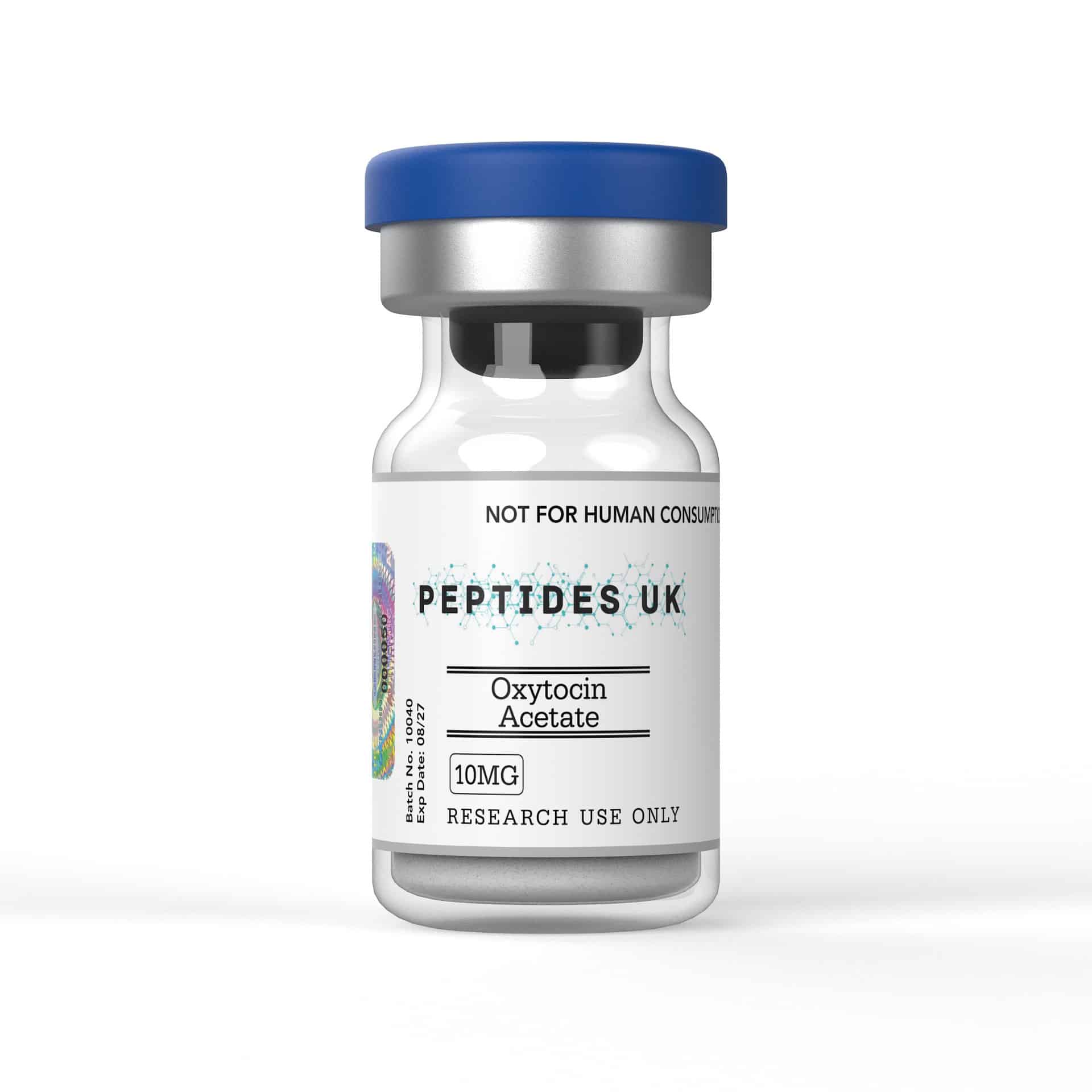
$35.00 – $126.00Price range: $35.00 through $126.00
Oxytocin Peptide USA – Buy Online | In Stock & Ready to Ship
Buy Oxytocin in the USA with fast domestic shipping and guaranteed ≥99% purity — fully verified with COA and HPLC documentation. A trusted choice for USA research teams studying social bonding behavior, neuromodulation and hypothalamic-pituitary signaling pathways, Oxytocin is available in multiple formats to suit varying project needs. No international delays — just reliable, domestically sourced peptides USA researchers can count on.
For research use only. Not intended for human or veterinary use.


Oxytocin is a naturally occurring cyclic nonapeptide neurohormone synthesised in the hypothalamus and released from the posterior pituitary, studied extensively across social neuroscience, reproductive biology, neuroendocrinology, psychiatric research, cardiovascular science, and metabolic biology for its remarkably broad biological profile spanning uterine contractility, lactation, social bonding, trust and affiliative behaviour, fear modulation, stress axis regulation, and emerging roles in metabolic and cardiovascular homeostasis — making it one of the most biologically multifaceted, clinically significant, and extensively researched neuropeptide hormones in modern neuroscience and reproductive endocrinology. Researchers and institutions across the USA can source verified, research-grade Oxytocin 5mg with fast domestic dispatch and full batch documentation included.
✅ ≥99% Purity — HPLC & Mass Spectrometry Verified
✅ Batch-Specific Certificate of Analysis (CoA) Included
✅ Sterile Lyophilised Powder | GMP Manufactured
✅ Fast Dispatch Across the USA | USA Peptides In Stock
Oxytocin is a cyclic nonapeptide neurohormone — a nine-amino acid peptide with a characteristic disulfide bridge between cysteine residues at positions 1 and 6 that forms a six-membered ring structure essential for its biological activity. It is synthesised primarily in magnocellular neurons of the paraventricular nucleus (PVN) and supraoptic nucleus (SON) of the hypothalamus as part of a larger precursor protein — prepro-oxytocin — which is cleaved during axonal transport to yield mature oxytocin and its associated carrier protein neurophysin I. Oxytocin is stored in and released from the posterior pituitary gland into the systemic circulation, as well as released centrally from hypothalamic axon collaterals and dendrites directly into brain regions involved in social, emotional, and autonomic regulation.
Oxytocin exerts its biological effects through the oxytocin receptor (OXTR) — a class A GPCR coupled primarily to Gq/11 proteins that activates phospholipase C, generates IP3 and diacylglycerol, and elevates intracellular calcium — as well as through cross-reactivity with vasopressin receptors (V1aR, V1bR, V2R) at higher concentrations, given the structural similarity between oxytocin and the related nonapeptide arginine vasopressin (AVP). OXTR is expressed in a remarkably wide range of tissues including uterine smooth muscle, mammary myoepithelium, brain regions including the amygdala, hippocampus, nucleus accumbens, and prefrontal cortex, cardiac tissue, kidney, adipose tissue, pancreas, and immune cells — reflecting the extraordinary breadth of oxytocin’s biological reach across reproductive, neurological, cardiovascular, metabolic, and immune systems.
The biological profile of oxytocin is defined by the interplay between its peripheral hormonal roles — well-characterised in reproductive biology, including uterine contraction during parturition and milk ejection during lactation — and its central neurotransmitter and neuromodulator roles, which include regulation of social behaviour, trust, affiliative bonding, fear and anxiety modulation, stress axis interactions, and reward circuitry modulation. This dual peripheral-central biology makes oxytocin one of the most complex and research-rich neuropeptides in neuroscience — a hormone whose research profile spans from classical reproductive endocrinology to cutting-edge social neuroscience and psychiatric research.
As one of the most historically significant, biologically multifaceted, and actively researched neuropeptide hormones available to buy in the USA, Oxytocin 5mg research vials are in active demand across neuroscience, reproductive biology, psychiatric research, metabolic science, and cardiovascular biology programs at research institutions nationwide.
In controlled pre-clinical and laboratory settings, Oxytocin has been studied across an exceptionally wide range of neurobiological, reproductive, metabolic, cardiovascular, and psychiatric research applications:
Oxytocin Receptor Pharmacology Research Oxytocin’s primary research application is as the endogenous reference ligand for OXTR — used in receptor binding assays, OXTR activation studies, downstream Gq/11-PLC-IP3 signalling characterisation, and oxytocin receptor pharmacology research. Studies have examined OXTR binding kinetics, receptor distribution mapping, downstream calcium signalling cascades, and receptor subtype selectivity relative to vasopressin receptors — establishing oxytocin as the essential reference compound for OXTR biology research.
Social Behaviour and Bonding Research Oxytocin is one of the most studied neuropeptides in social neuroscience — with research examining its influence on social recognition, affiliative behaviour, pair bonding, maternal behaviour, and social memory in pre-clinical models. Studies have examined how central OXTR activation in the amygdala, nucleus accumbens, and prefrontal cortex influences prosocial behaviour, social reward processing, and social attachment — establishing social neuroscience as the most high-profile and actively researched dimension of oxytocin biology.
Fear and Anxiety Modulation Research Research has examined oxytocin’s modulation of fear and anxiety responses in pre-clinical models — with studies documenting OXTR-mediated attenuation of amygdala fear circuit activity, effects on hypothalamic-pituitary-adrenal (HPA) axis stress responses, and influence on anxiety-like behaviour parameters — contributing to the understanding of how oxytocin modulates the stress and fear neurobiology that underlies anxiety-related research contexts.
HPA Axis and Stress Biology Research Oxytocin interacts extensively with the HPA stress axis — with studies examining how OXTR activation affects corticotropin-releasing hormone (CRH) signalling, ACTH secretion, cortisol and corticosterone dynamics, and the neurobiological stress response in pre-clinical models. Research has explored how oxytocin’s anti-stress effects are mediated through direct interactions with HPA axis components and through modulation of amygdala stress circuit activity.
Uterine Contractility Research Oxytocin’s most classical biological role is stimulation of uterine smooth muscle contractility through OXTR-mediated calcium mobilisation in myometrial cells. Studies have examined oxytocin’s effects on uterine contraction frequency, amplitude, and duration in uterine smooth muscle models — contributing to the understanding of myometrial OXTR pharmacology, uterine contraction biology, and the role of oxytocin in parturition signalling.
Lactation and Mammary Biology Research Oxytocin drives milk ejection through contraction of mammary myoepithelial cells surrounding alveoli — a well-characterised neuroendocrine reflex. Research has examined OXTR-mediated mammary myoepithelial cell contractility, the oxytocin reflex arc from nipple stimulation to posterior pituitary release, and how oxytocin signalling coordinates mammary gland biology during lactation — establishing mammary biology as a classical and well-characterised oxytocin research area.
Psychiatric Research — Autism Spectrum Biology Oxytocin’s role in social behaviour has driven extensive research examining OXTR signalling in autism spectrum biology — with studies examining how oxytocin affects social recognition, social motivation, and affiliative behaviour parameters in pre-clinical autism models, and how OXTR expression and signalling differ in autism model systems — making autism spectrum neurobiology one of the most actively investigated psychiatric research areas for oxytocin.
Psychiatric Research — Anxiety and PTSD Biology Research has examined oxytocin’s influence on fear extinction, trauma memory consolidation, and PTSD-relevant neurobiological parameters in pre-clinical models — with studies exploring how OXTR activation in the amygdala, hippocampus, and prefrontal cortex affects fear memory processing, extinction learning, and the stress neurobiology relevant to anxiety disorder and PTSD research.
Trust and Social Cognition Research Pre-clinical and translational research has examined how oxytocin affects trust behaviour, social decision-making, and social cognitive processing — with studies exploring OXTR-mediated modulation of reward circuitry, social salience processing, and the neurobiological basis of trust and cooperative behaviour in research models — establishing social cognition as a distinctive and rapidly growing area of oxytocin neuroscience research.
Metabolic Research Emerging research has examined oxytocin’s influence on metabolic parameters — with studies documenting OXTR expression in adipose tissue, pancreas, and hypothalamic feeding circuits, and examining how oxytocin affects food intake, body weight, insulin secretion, and energy metabolism parameters in pre-clinical metabolic models. Research interest in oxytocin as a metabolic regulator has grown substantially alongside the broader field of neuropeptide metabolic biology.
Cardiovascular Research OXTR is expressed in cardiac tissue and vascular endothelium, and research has examined oxytocin’s cardiovascular effects — including its influence on heart rate, blood pressure, cardiac contractility, and atrial natriuretic peptide release. Studies have explored how central and peripheral OXTR activation affects cardiovascular parameters and how oxytocin’s cardioprotective and vasodilatory properties are mediated — establishing cardiovascular biology as a growing research dimension of the broader oxytocin biology field.
Reward and Addiction Biology Research Oxytocin modulates dopaminergic reward circuitry — with OXTR expressed in the nucleus accumbens and ventral tegmental area — and research has examined how OXTR activation affects dopamine release, reward sensitivity, and drug-seeking behaviour in pre-clinical addiction models. Studies exploring oxytocin’s modulation of reward neurobiology have contributed to the understanding of how social neuropeptide systems interact with classical reward circuitry.
Neuroinflammation and Neuroprotection Research Emerging research has examined oxytocin’s anti-inflammatory and neuroprotective properties — with studies documenting OXTR-mediated modulation of microglial activation, neuroinflammatory signalling, and neuronal survival in pre-clinical CNS models — expanding the oxytocin research profile into the growing field of neuropeptide neuroprotection biology.
All applications are for research purposes only. Oxytocin as supplied is not intended for human therapeutic use.
Oxytocin has accumulated one of the most extensive, diverse, and historically deep research profiles of any neuropeptide in modern neuroscience and endocrinology:
Social Behaviour: Research has established oxytocin as a central regulator of social behaviour in pre-clinical models — with studies consistently documenting its promotion of social recognition, affiliative bonding, maternal behaviour, and prosocial responses through OXTR activation in limbic brain regions — establishing social neuroscience as the most high-profile and scientifically significant dimension of the oxytocin research literature.
Fear and Anxiety Modulation: Studies have documented oxytocin’s attenuation of fear and anxiety responses in pre-clinical models — with research confirming OXTR-mediated reduction in amygdala fear circuit activity, HPA axis stress responses, and anxiety-like behaviour parameters — contributing substantial mechanistic data on how oxytocin modulates the stress and fear neurobiology relevant to anxiety and trauma research.
Uterine and Reproductive Biology: A rich and historically deep body of research has characterised oxytocin’s uterine contractility effects — with studies thoroughly documenting myometrial OXTR pharmacology, calcium mobilisation mechanisms, and the oxytocin-parturition signalling relationship — establishing reproductive biology as the most classically characterised dimension of oxytocin’s endocrine profile.
Metabolic Effects: Emerging research has documented oxytocin’s influence on food intake, body weight, and metabolic parameters in pre-clinical models — with studies reporting reduced food intake, body weight changes, and metabolic parameter improvements following central and peripheral OXTR activation — contributing to the growing understanding of oxytocin as a metabolic regulatory neuropeptide alongside its more established social and reproductive roles.
Cardiovascular Effects: Studies have characterised oxytocin’s cardiovascular effects in pre-clinical models — documenting cardioprotective effects in ischaemia models, atrial natriuretic peptide release, and vasodilatory properties through endothelial OXTR activation — contributing to the emerging cardiovascular research profile of this classically reproductive neuropeptide.
Psychiatric Research: The breadth of oxytocin’s psychiatric research profile — spanning autism spectrum biology, anxiety disorders, PTSD, addiction, and social cognition — reflects its central importance as a research tool in translational neuroscience, with pre-clinical studies across these domains consistently documenting OXTR-mediated modulation of the neurobiological processes relevant to major psychiatric research questions.
| Feature | Oxytocin | Vasopressin (AVP) | Kisspeptin-10 | GnRH |
|---|---|---|---|---|
| Type | Cyclic nonapeptide neurohormone | Cyclic nonapeptide neurohormone | Decapeptide kisspeptin fragment | Decapeptide hypothalamic releasing hormone |
| Primary Receptor | OXTR (Gq/11) | V1aR, V1bR, V2R | KISS1R (GPR54) | GnRHR |
| Structural Relationship | 9AA cyclic — 2 residue difference from AVP | 9AA cyclic — 2 residue difference from oxytocin | Kisspeptin C-terminal active fragment | GnRH decapeptide |
| Primary Research Focus | Social behaviour / reproductive biology / stress / metabolism | Water homeostasis / social behaviour / HPA axis / vasoconstriction | HPG axis activation / GnRH pulse generation / reproductive biology | Gonadotropin secretion / HPG axis / reproductive endocrinology |
| Key Research Distinction | Broadest social neuroscience / prosocial behaviour / psychiatric research profile | Kidney water reabsorption / vasoconstriction / social aggression vs prosocial | Upstream HPG activator — GnRH pulse generator regulation | GnRH receptor — gonadotropin release / HPG axis |
| Best For | Social neuroscience / OXTR pharmacology / reproductive / metabolic research | Vasopressin receptor pharmacology / water homeostasis / social aggression | Upstream HPG axis / GnRH pulse regulation / fertility research | GnRH receptor pharmacology / gonadotropin biology |
| Parameter | Specification |
|---|---|
| Full Name | Oxytocin |
| Vial Size | 5mg |
| Peptide Length | 9 Amino Acids (Nonapeptide) — cyclic |
| Structure | Cyclic — disulfide bridge Cys1–Cys6 |
| Type | Endogenous neurohormone / neuropeptide |
| Primary Receptor | OXTR (Oxytocin Receptor — Gq/11 GPCR) |
| Molecular Weight | 1007.19 g/mol |
| Purity | ≥99% (HPLC & MS Verified) |
| Form | Sterile Lyophilised Powder |
| Solubility | Sterile water, bacteriostatic water, PBS, dilute acetic acid |
| Storage (Powder) | -20°C, protect from light and moisture |
| Storage (Reconstituted) | 2–8°C, use within 28 days with bacteriostatic water |
| Manufacturing | GMP Manufactured |
Every order includes full batch documentation:
✅ Batch-Specific Certificate of Analysis (CoA)
✅ HPLC Chromatogram
✅ Mass Spectrometry Confirmation
✅ Sterility & Endotoxin Testing Report
✅ Reconstitution Protocol
✅ Technical Research Support
Can I buy research-grade Oxytocin in the USA? Yes. We supply research-grade Oxytocin 5mg to researchers and institutions across the United States. All orders include full batch documentation and are packaged to maintain peptide integrity during transit. This compound is supplied strictly for laboratory research use only.
What is the structural relationship between oxytocin and vasopressin? Oxytocin and vasopressin (arginine vasopressin / AVP) are structurally closely related cyclic nonapeptides — differing by only two amino acids at positions 3 and 8 of the nine-residue sequence. Both share the same cyclic disulfide bridge structure between cysteine residues at positions 1 and 6 and both are synthesised in the hypothalamus and stored in the posterior pituitary. Despite this close structural relationship, their biological profiles differ substantially — oxytocin primarily activates OXTR to mediate prosocial behaviour, reproductive biology, and stress modulation, while vasopressin primarily activates V1aR/V1bR/V2R to mediate water homeostasis, vasoconstriction, and social behaviour dimensions including territorial and aggressive responses. Their structural similarity also produces partial cross-reactivity at each other’s receptors at higher concentrations — an important consideration in research design that requires OXTR-selective versus AVP receptor-selective pharmacology.
What is the difference between peripheral and central oxytocin in research? Oxytocin operates as both a peripheral hormone and a central neurotransmitter/neuromodulator — and this distinction is important for research design. Peripheral oxytocin is released from the posterior pituitary into systemic circulation — mediating reproductive effects including uterine contractility and milk ejection through peripheral OXTR in reproductive tissues. Central oxytocin is released directly into brain regions from hypothalamic axon collaterals and dendrites — mediating social, emotional, and stress-modulatory effects through OXTR in limbic and cortical brain regions. Research examining central oxytocin biology typically requires central administration routes or compounds that cross the blood-brain barrier to engage brain OXTR — as peripherally administered oxytocin has limited CNS penetration, making the distinction between peripheral and central OXTR pharmacology a key consideration in oxytocin research design.
Why is the disulfide bridge important in oxytocin research? The disulfide bridge between cysteine residues at positions 1 and 6 creates the cyclic ring structure that is essential for oxytocin’s biological activity — determining the three-dimensional conformation required for high-affinity OXTR binding. Linear oxytocin without the disulfide bridge has dramatically reduced receptor binding affinity and biological activity. This makes the integrity of the disulfide bridge a critical quality parameter for research-grade oxytocin — and proper storage conditions that prevent disulfide bond reduction or oxidative damage are essential for maintaining biological activity. HPLC and mass spectrometry verification of the correct molecular weight confirming disulfide bridge formation is a key component of oxytocin batch quality documentation.
What purity is required for Oxytocin research? ≥98% is considered research-grade, but ≥99% purity is strongly preferred for OXTR binding assays, social neuroscience research, reproductive biology studies, HPA axis research, and behavioural neuroscience experiments where compound purity directly affects receptor activation accuracy and experimental reproducibility. All Oxytocin supplied for USA researchers is independently verified to ≥99%.
How is Oxytocin reconstituted for lab use? Allow the vial to reach room temperature before opening. Add sterile water, bacteriostatic water, or dilute acetic acid (0.1–1%) slowly down the vial wall and swirl gently — do not shake. Oxytocin is generally well soluble in slightly acidic aqueous conditions — dilute acetic acid can improve initial dissolution if needed before further dilution with PBS or appropriate buffer. For multi-use protocols, bacteriostatic water extends the usable life of reconstituted solution to 28 days when stored at 2–8°C. For long-term storage of working solutions, aliquot and store at -80°C to preserve oxytocin’s cyclic peptide integrity and OXTR binding activity. Avoid repeated freeze-thaw cycles and protect from light to maintain disulfide bridge integrity.
Oxytocin is supplied exclusively for legitimate scientific research purposes conducted within licensed laboratory environments. This product is not intended for human consumption, self-administration, or any therapeutic application. It must be handled by qualified researchers in compliance with applicable US federal and state regulations and institutional ethics guidelines. By purchasing, you confirm that this compound will be used solely for approved in-vitro or pre-clinical research purposes.
WhatsApp us
Receive News