PRODUCTS SOLD ON PEPTIDESLABUSA.COM ARE FOR RESEARCH PURPOSES ONLY AND ARE NOT FOR HUMAN OR VETERINARY USE.
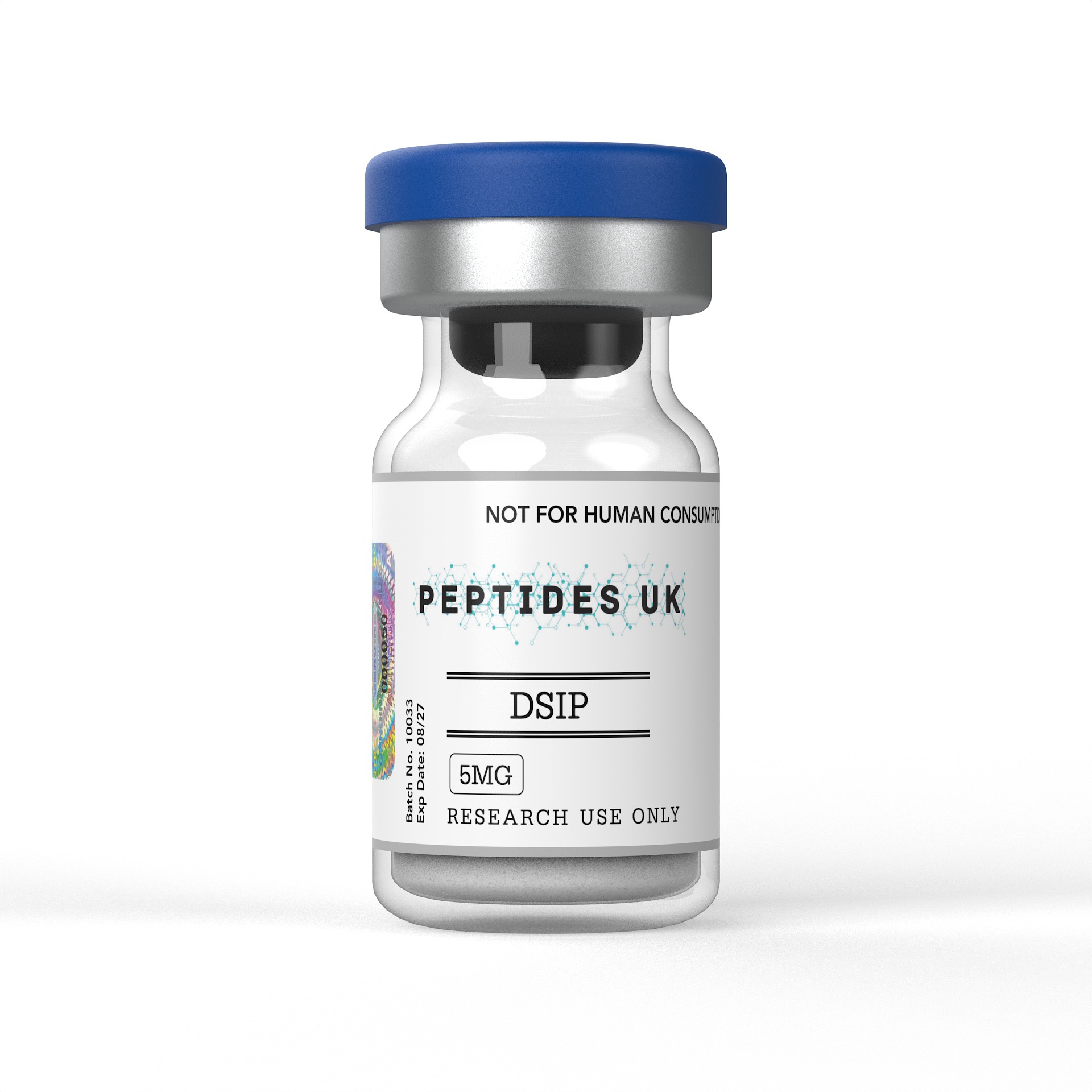
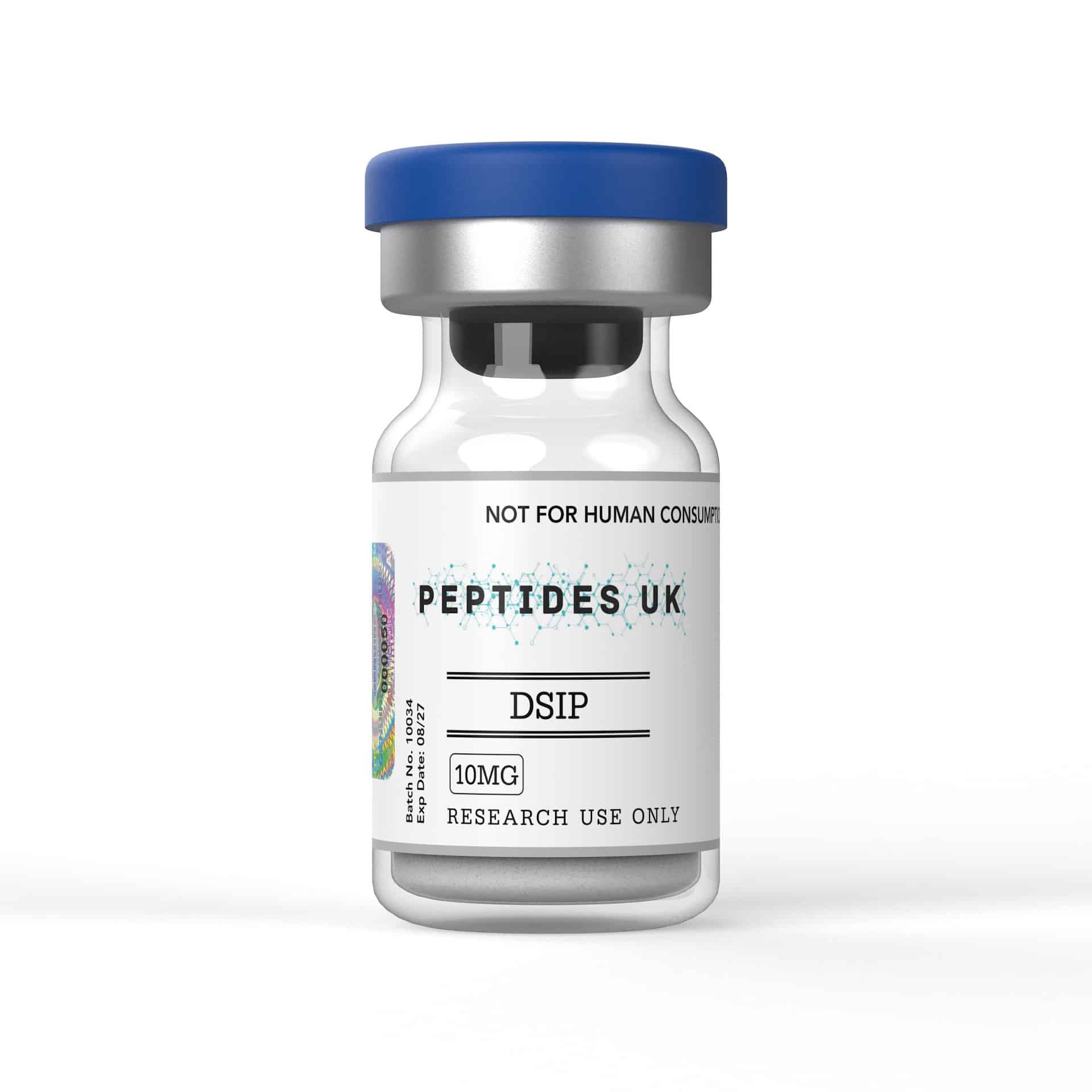
$31.00 – $53.50Price range: $31.00 through $53.50
DSIP Peptide USA – Buy Online | In Stock & Ready to Ship
Buy DSIP (Delta Sleep-Inducing Peptide) in the USA with fast domestic shipping and guaranteed ≥99% purity — fully verified with COA and HPLC documentation. A trusted choice for USA research teams studying sleep regulation, stress response and neuroendocrine modulation, DSIP is available in multiple formats to suit varying project needs. No international delays — just reliable, domestically sourced peptides USA researchers can count on.
For research use only. Not intended for human or veterinary use.

DSIP — Delta Sleep-Inducing Peptide — is a naturally occurring nine-amino acid neuropeptide first isolated from the cerebral venous blood of sleeping rabbits in 1977, studied for its wide-ranging roles in sleep architecture, neuroendocrine regulation, stress response modulation, neuroprotection, and circadian biology, making it one of the most multifunctional neuropeptides in preclinical research available in the USA today.
Researchers, labs, and institutions across the United States can source verified, research-grade DSIP with fast dispatch, full documentation, and third-party verified purity.
✅ ≥99% Purity — HPLC & Mass Spectrometry Verified
✅ Batch-Specific Certificate of Analysis (CoA) Included
✅ Third-Party Tested | GMP Manufactured
✅ Fast Dispatch to USA — Tracked Shipping Available
DSIP — Delta Sleep-Inducing Peptide, also known by its pharmaceutical name emideltide — is a naturally occurring nonapeptide with the amino acid sequence Trp-Ala-Gly-Gly-Asp-Ala-Ser-Gly-Glu (WAGGDASGE), first isolated from the hemodialysate of cerebral venous blood of rabbits during induced slow-wave sleep by the Schoenenberger-Monnier group in Basel, Switzerland in 1977. It is an amphiphilic peptide with a molecular weight of approximately 850 Da — a size that allows it to cross the blood-brain barrier (BBB), making it accessible to the central nervous system following systemic administration in research models.
DSIP is present in all major brain areas in rats, with the highest concentrations found in the thalamus, followed by the cerebral cortex and cerebellum, moderate levels in the midbrain, pons-medulla, and hypothalamus, and the lowest in the striatum. Immunocytochemical studies have shown that DSIP immunoreactivity in humans is predominantly concentrated in the hypothalamus — with a notable overlap between DSIP and gonadotropin-releasing hormone (GnRH) immunostaining, particularly in the median eminence — suggesting a role in neuroendocrine regulation beyond sleep biology.
DSIP has also been detected in human peripheral tissues including plasma, cerebrospinal fluid, urine, and breast milk — indicating it is not exclusively a brain-derived peptide but a more broadly distributed regulatory signal with potential systemic roles. Despite over four decades of investigation, DSIP remains one of the more enigmatic research peptides in neuroscience: no dedicated receptor or precursor peptide gene has yet been identified, and its mechanism of action at the molecular level continues to be actively studied.
DSIP is a research compound only and is not approved for human therapeutic use in the United States.
In research settings, DSIP is studied as a multifunctional regulatory neuropeptide with effects spanning sleep biology, neuroendocrine signaling, stress modulation, and neuroprotection. Studies have explored its role in:
DSIP is a research compound only and is not approved for human therapeutic use.
DSIP’s research body is extensive but complex — spanning over four decades of publications across sleep biology, neuroendocrinology, and neuroprotection, with a notable feature that separates it from most research peptides: its sleep-inducing activity, while well-characterized in the original rabbit models, has proven inconsistent across species and experimental conditions, leading to a broader reassessment of DSIP as a multifunctional regulatory peptide rather than a dedicated sleep compound.
Sleep Research — Foundational and Contradictory Evidence DSIP was originally characterized by its ability to induce delta EEG activity and slow-wave sleep in rabbits following infusion into the mesodiencephalic ventricle. Subsequent studies in rats, cats, and humans produced inconsistent findings — with some studies confirming SWS promotion and REM suppression, and others showing no significant sleep effects. A double-blind clinical study in 16 chronic insomnia patients, published in a peer-reviewed sleep medicine journal, found modest improvements in sleep efficiency and latency with DSIP compared to placebo, but concluded these effects were weak, partially confounded by placebo group variability, and were insufficient to recommend DSIP as a short-term insomnia treatment. Research published in ScienceDirect’s Handbook of Behavioral Neuroscience summarizes the current consensus: despite over four decades of investigation, DSIP’s physiological role in sleep regulation remains obscure and contested, with significant slow-wave sleep promoting activity demonstrated primarily for synthetic DSIP structural analogues rather than DSIP itself in more rigorous models.
Neuroendocrine Research — GH, LH, and Stress Axis DSIP’s neuroendocrine effects are among its more consistently demonstrated properties across the research literature. Studies have shown that DSIP stimulates growth hormone release through both hypothalamic and pituitary actions — findings from Iyer and McCann (1987, Peptides) confirmed GH-releasing activity in rats via hypothalamic somatostatin inhibition and direct pituitary effects. DSIP has also been shown to stimulate LH release and decrease basal corticotropin levels — a neuroendocrine profile that positions it as a broad hypothalamic-pituitary axis modulator and an interesting research tool for studying the intersection of sleep biology and reproductive neuroendocrinology, given its anatomical overlap with GnRH neurons in the median eminence.
Stroke and Neuroprotection Research A 2021 study published in Molecules (MDPI) examined intranasal DSIP administration at 120 µg/kg in a rat focal stroke model using middle cerebral artery occlusion (MCAO). DSIP-treated animals showed significantly greater improvement across a battery of motor and coordination tests over 21 days post-stroke compared to vehicle controls, with reduced neurological deficit scores on rotarod and bilateral asymmetry assessments. Infarction volume calculations at the end of the study were consistent with functional improvements. The authors concluded that DSIP may have clinical relevance for accelerating motor function recovery post-stroke and identified NMDA receptor interaction (via c-Fos regulation) as a key mechanistic element, noting that timing of administration relative to occlusion was critical to avoiding adverse outcomes.
Anticonvulsant Research Two rodent studies in the 1990s examined DSIP in models of pharmacologically induced convulsions, with both finding preventive effects against GABA-A antagonist-induced seizure onset. A further study in rats with metaphit-induced epilepsy found DSIP significantly decreased the incidence and duration of seizure episodes — findings consistent with a modulating role at inhibitory interneuron or GABA-related pathways, though the precise mechanism remains incompletely characterized.
Antioxidant and Cytoprotective Research A 2011 preclinical study reported that DSIP exerts a strong antioxidant effect in rat models through activation of endogenous antioxidant defense mechanisms — including enhanced enzymatic antioxidant activity and reduced oxidative stress markers. Research has also shown that DSIP enhances the efficiency of oxidative phosphorylation in rat mitochondria in vitro, suggesting mitochondrial-level cytoprotective activity that parallels findings from several other regulatory neuropeptides studied in longevity and aging research.
BBB-Crossing Fusion Peptide Research (Frontiers in Pharmacology, 2024) A 2024 study published in Frontiers in Pharmacology examined DSIP as the active payload in a novel fusion peptide (DSIP-CBBBP) designed to cross the blood-brain barrier using the Tat cell-penetrating peptide sequence. In a PCPA-induced insomnia mouse model, the DSIP-CBBBP fusion demonstrated sleep-promoting effects alongside modulation of key neurotransmitters including serotonin (5-HT), glutamate, dopamine, and melatonin — with significantly greater effects than DSIP alone. This research positions DSIP not only as a subject of sleep biology investigation but as a useful payload molecule in CNS drug delivery research.
The “Unresolved Riddle” — Current Research Consensus A widely cited PubMed-indexed mini-review titled “Delta-sleep-inducing peptide (DSIP): a still unresolved riddle” summarizes the current state of the field: DSIP’s natural occurrence, receptor identity, precursor peptide gene, and primary biological activity all remain obscure. The authors hypothesize the existence of DSIP-like peptides responsible for much of the immunoreactivity and biological activity observed in DSIP research — a hypothesis that reframes DSIP as a research proxy for a broader family of endogenous regulatory signals rather than a single well-characterized compound. This honest scientific uncertainty is what makes DSIP one of the more intellectually interesting and mechanistically open research peptides currently available in the USA market.
All referenced findings are from pre-clinical studies or early-stage clinical research. DSIP is not approved for human therapeutic use.
When you buy DSIP in the USA through our platform, every order includes:
We supply USA research peptides to licensed researchers, universities, and institutions — with cold-chain compliant packaging designed to maintain peptide integrity throughout transit.
| Parameter | Specification |
|---|---|
| Purity | ≥99% (HPLC & MS Verified) |
| Full Name | Delta Sleep-Inducing Peptide |
| Also Known As | DSIP, Emideltide, WAGGDASGE |
| Sequence | Trp-Ala-Gly-Gly-Asp-Ala-Ser-Gly-Glu |
| Amino Acids | 9 (nonapeptide) |
| Molecular Weight | ~850 Da |
| BBB Penetration | Yes (amphiphilic; passive diffusion) |
| Identified Receptor | None confirmed to date |
| Distribution | Brain, CSF, plasma, urine, breast milk |
| Form | White Lyophilized Powder |
| Solubility | Sterile water / PBS |
| Storage (powder) | -20°C, stable 24+ months |
| Storage (reconstituted) | 2–8°C, use within 2–4 weeks |
| Available Sizes | 2mg |
Allow the vial to reach room temperature before opening. Add sterile water or PBS slowly down the inside wall of the vial and swirl gently — do not shake. A typical working concentration is 0.5–1 mg/mL. Aliquot and store at -80°C for longer-term stability. Avoid repeated freeze-thaw cycles. Note that DSIP’s amphiphilic structure makes it soluble in both aqueous and mildly lipophilic media — sterile water is appropriate for most research applications.
| Feature | DSIP | VIP | Epithalon |
|---|---|---|---|
| Classification | Nonapeptide neuropeptide | 28-AA neuropeptide | Tetrapeptide |
| Primary Research Focus | Sleep / neuroendocrine / neuroprotection | Immune / gut / circadian / cardiovascular | Telomere biology / pineal / aging |
| Circadian Research | Indirect (sleep/HPA axis) | Primary (SCN regulation) | Yes (melatonin/pineal) |
| Identified Receptor | None confirmed | VPAC1, VPAC2 | None confirmed |
| BBB Penetration | Yes (amphiphilic) | Limited (large peptide) | Yes |
| GH Release Research | Yes (hypothalamic/pituitary) | Limited | Limited |
| Neuroprotection Research | Yes (stroke, antioxidant) | Yes | Yes |
| Human Clinical Data | Limited (insomnia trials) | Very limited | Limited (longevity studies) |
Can I buy DSIP peptide in the USA? Yes. We supply research-grade DSIP (Delta Sleep-Inducing Peptide) with fast tracked dispatch across the United States for licensed laboratory research use. All orders include full purity documentation and integrity-maintained packaging.
What does DSIP stand for? DSIP stands for Delta Sleep-Inducing Peptide — named for its originally observed ability to induce delta (slow-wave) EEG activity and slow-wave sleep in the rabbit models in which it was first characterized in 1977. The pharmaceutical name for DSIP is emideltide, though this designation is rarely used outside clinical research contexts.
Does DSIP actually induce sleep? This is one of the most actively debated questions in DSIP research. DSIP reliably induced slow-wave sleep in the original rabbit infusion models, but subsequent studies across different species, routes of administration, and experimental designs have produced contradictory findings. A published double-blind clinical trial in chronic insomnia patients found modest, statistically weak improvements in sleep efficiency and latency. The current scientific consensus — summarized in the PubMed-indexed “unresolved riddle” review — is that DSIP’s sleep-inducing properties are inconsistent across species and conditions, and that much of the sleep-related immunoreactivity observed in research may reflect endogenous DSIP-like peptides rather than DSIP itself. DSIP is most accurately characterized as a multifunctional neuroendocrine research peptide with sleep-modulating properties that remain incompletely understood.
Has a receptor been identified for DSIP? No. Despite over four decades of research, no dedicated DSIP receptor or precursor peptide gene has been confirmed. This is one of the most unusual features of DSIP’s research profile — most neuropeptides of comparable biological activity have identified receptor systems and characterized signaling cascades. The absence of a confirmed receptor makes mechanistic research on DSIP more challenging and has led some researchers to hypothesize that DSIP’s effects may be mediated through interaction with existing receptor systems rather than a dedicated binding site. This open question is an active area of investigation.
What is the difference between DSIP and melatonin in sleep research? Melatonin is a well-characterized circadian hormone that signals the brain’s readiness for sleep primarily by activating MT1 and MT2 receptors in the suprachiasmatic nucleus — essentially communicating the time of day and promoting sleep onset. DSIP’s proposed mechanism is different: rather than regulating the timing of sleep, DSIP appears to modulate sleep architecture — specifically slow-wave sleep depth and GH release during sleep — through neuroendocrine and hypothalamic pathways. In research terms, melatonin is used to study circadian timing; DSIP is studied for neuroendocrine regulation of sleep depth, stress adaptation, and hypothalamic-pituitary axis interactions.
What purity level should research-grade DSIP be? ≥98% is the accepted minimum for research-grade neuropeptides, though ≥99% is preferred for EEG/sleep biology, neuroendocrine assay, and CNS delivery research. All of our USA research peptides — including DSIP — are HPLC and mass spectrometry verified to ≥99%.
How quickly is DSIP delivered in the USA? Orders are dispatched promptly with tracked shipping. Most USA orders arrive within 3–5 business days.
Where can I find DSIP peptide for sale in the USA? We offer research-grade DSIP (Delta Sleep-Inducing Peptide / emideltide) for sale in the USA exclusively for licensed research use, with full documentation and verified purity included as standard with every order.
Research Disclaimer: DSIP (Delta Sleep-Inducing Peptide) is supplied exclusively for legitimate scientific research purposes in licensed laboratory environments. This product is not intended for human consumption, self-administration, or therapeutic use of any kind. It must be handled by qualified researchers in accordance with all applicable US federal and state regulations and institutional ethics guidelines. By purchasing, you confirm that this compound will be used solely for approved in-vitro or pre-clinical research.
WhatsApp us
Receive News