PRODUCTS SOLD ON PEPTIDESLABUSA.COM ARE FOR RESEARCH PURPOSES ONLY AND ARE NOT FOR HUMAN OR VETERINARY USE.
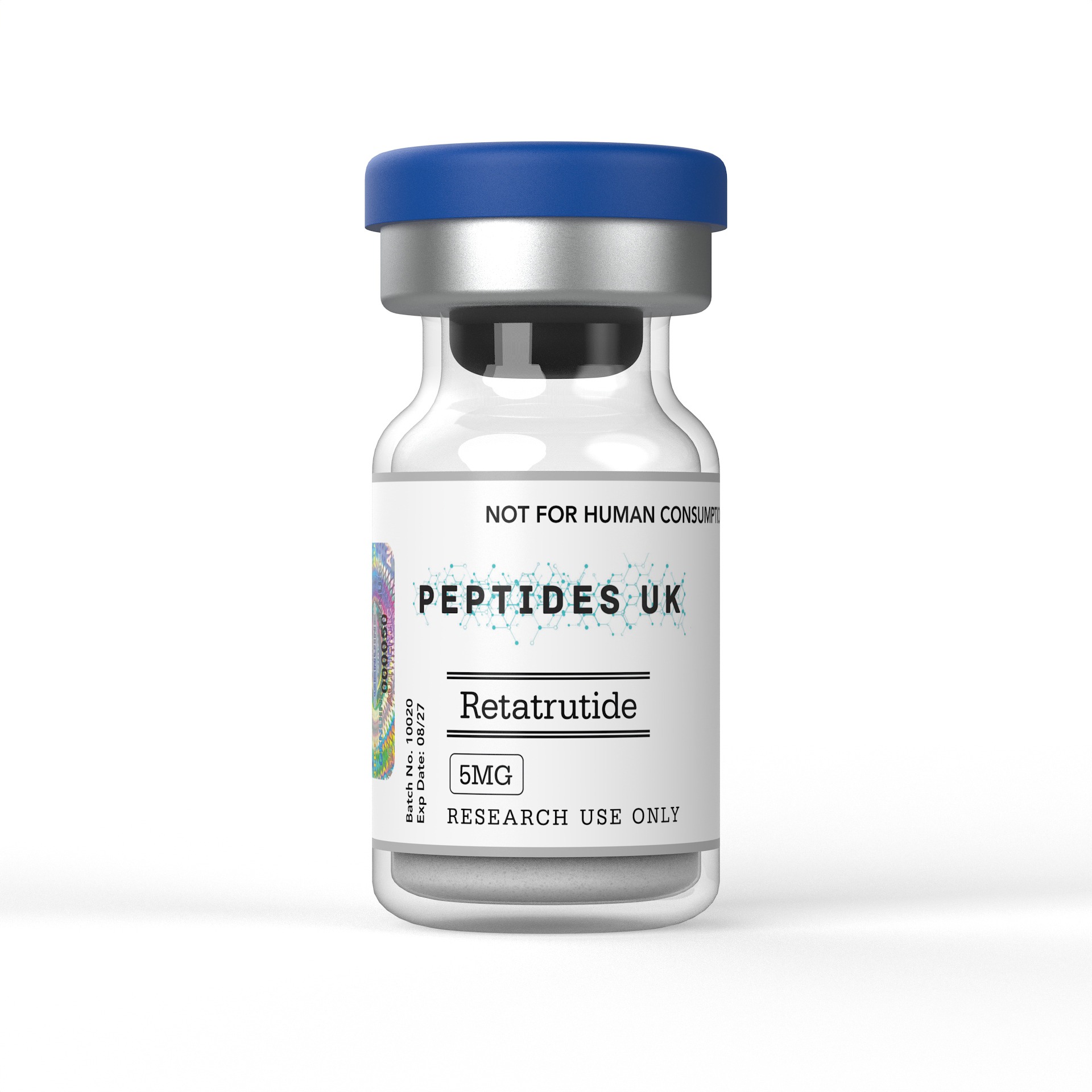
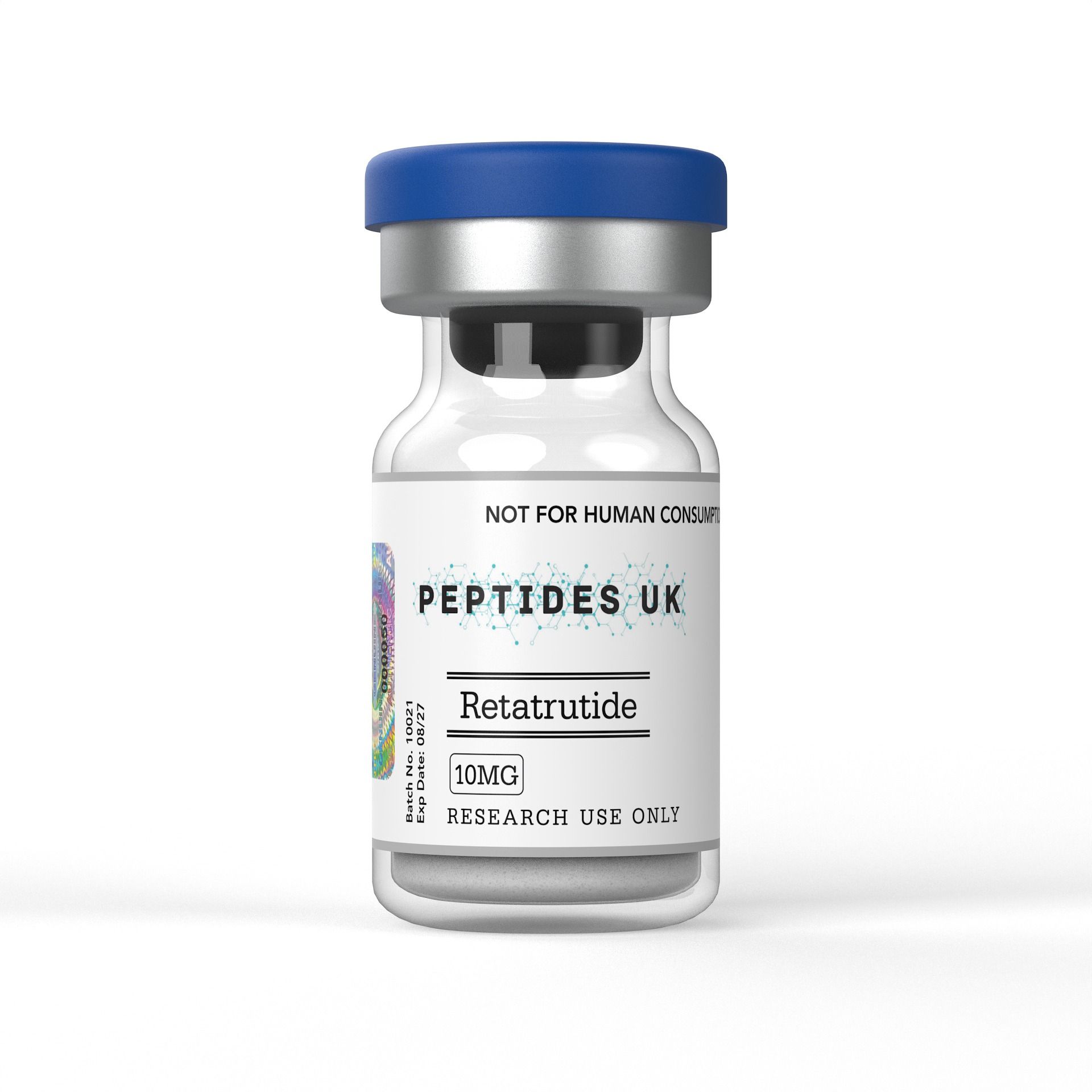
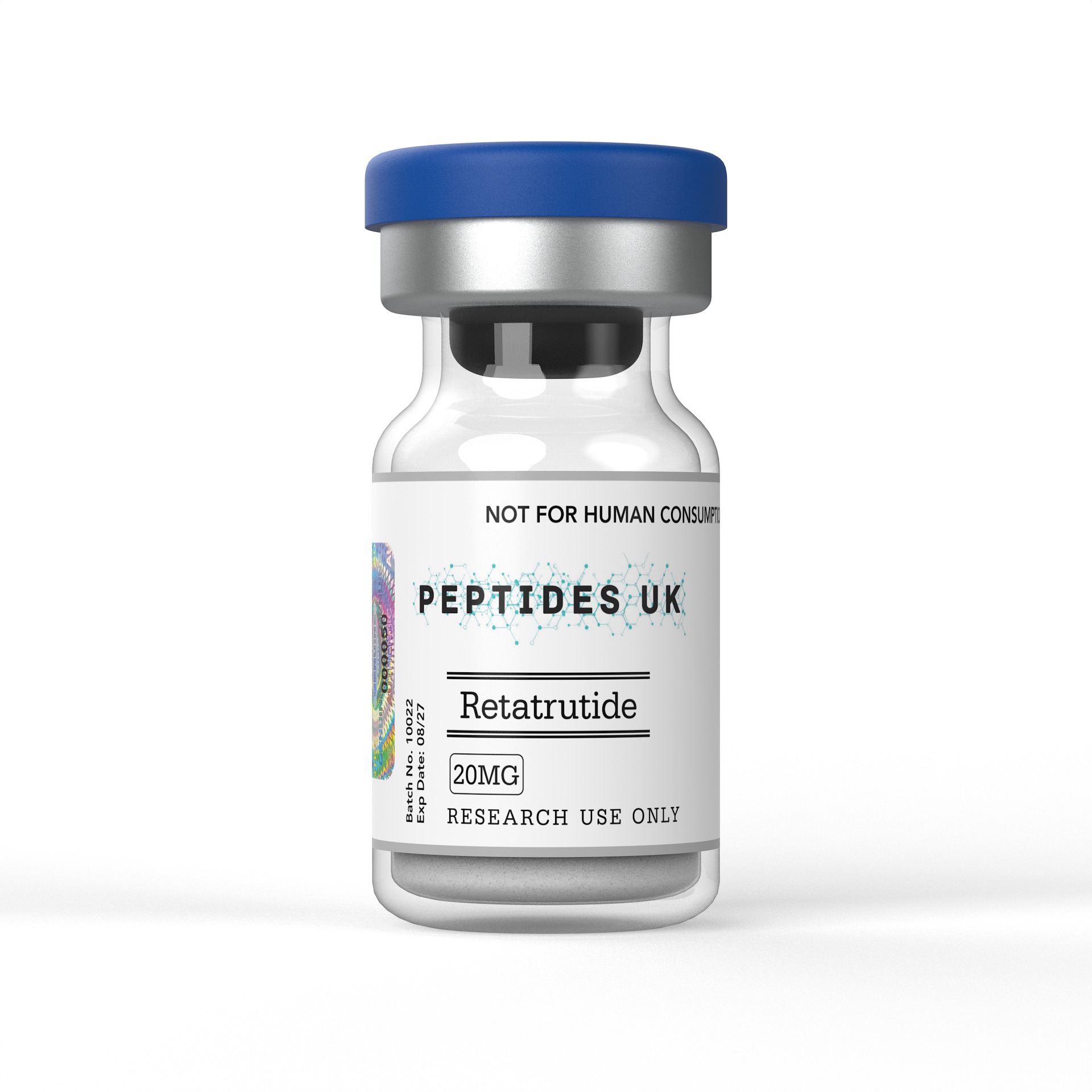
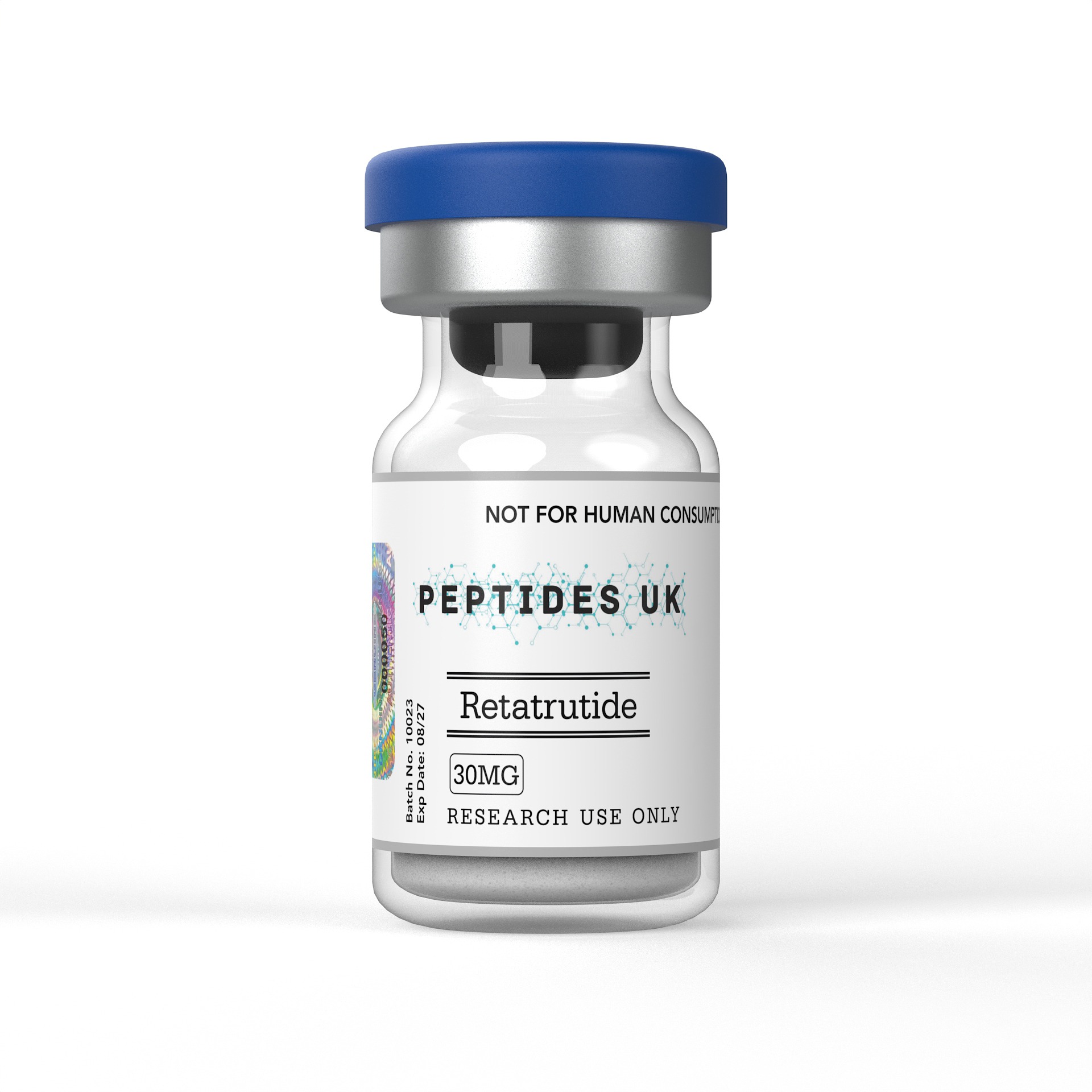
$80.50 – $329.00Price range: $80.50 through $329.00
Buy Retatrutide Peptide in USA – In Stock & Ready to Ship
Retatrutide is a widely researched peptide known for its role in metabolic regulation and triple receptor agonist studies. Retatrutide is a next-generation triple agonist (GLP-1, GIP, and GCGR) widely examined in laboratory studies focused on energy balance, metabolic regulation, and multi-pathway peptide signalling. Each batch is independently verified at ≥99% purity and comes with a full Certificate of Analysis (COA) and HPLC testing documentation — giving USA research teams the confidence they need when sourcing peptides for serious work.
For research use only. Not intended for human or veterinary use.

Retatrutide is a synthetic triple-receptor agonist peptide targeting the GLP-1 receptor (GLP-1R), glucose-dependent insulinotropic polypeptide receptor (GIPR), and glucagon receptor (GCGR) simultaneously, studied extensively across metabolic biology, obesity research, energy expenditure, and cardiovascular science for its unmatched tri-agonist incretin action and superior metabolic influence compared to single and dual-receptor compounds — making it the most advanced and broadly acting incretin research peptide currently available in modern metabolic science. Researchers and institutions across the USA can source verified, research-grade Retatrutide with fast domestic dispatch and full batch documentation included.
✅ ≥99% Purity — HPLC & Mass Spectrometry Verified
✅ Batch-Specific Certificate of Analysis (CoA) Included
✅ Sterile Lyophilised Powder | GMP Manufactured
✅ Fast Dispatch Across the USA | USA Peptides In Stock
Retatrutide is a synthetic peptide engineered as a triple agonist of three key metabolic receptors — the GLP-1 receptor (GLP-1R), the glucose-dependent insulinotropic polypeptide receptor (GIPR), and the glucagon receptor (GCGR). This tri-receptor activity is what fundamentally distinguishes Retatrutide from all preceding incretin research compounds, including dual agonists like Tirzepatide (GLP-1R/GIPR) and single agonists like Semaglutide (GLP-1R only), and is the basis for its position at the leading edge of metabolic peptide research.
The addition of glucagon receptor agonism to the GLP-1R and GIPR activity seen in Tirzepatide is the critical differentiator in Retatrutide’s pharmacological profile. Glucagon receptor activation drives significant increases in energy expenditure and hepatic fat oxidation — effects that are largely independent of the insulin secretion and appetite pathways activated by GLP-1R and GIPR. By combining all three receptor targets, Retatrutide allows researchers to study the convergence of incretin biology and glucagon-driven energy expenditure in a single compound, opening research questions that cannot be addressed with any dual or single-receptor agonist.
Retatrutide is one of the most talked-about and rapidly growing peptides to buy in the USA, with increasing demand from metabolic disease research programs, obesity research institutes, and endocrinology labs studying the next frontier of incretin and glucagon biology.
In controlled pre-clinical and laboratory settings, Retatrutide has been studied across a wide range of metabolic, endocrinological, and physiological research applications:
Triple Incretin Receptor Research Retatrutide’s defining research application is the simultaneous activation of GLP-1R, GIPR, and GCGR — enabling researchers to study the combined tri-agonist incretin effect, examine the distinct contribution of each receptor to overall metabolic outcomes, and explore the additive and synergistic interactions between all three receptor systems in ways no prior compound has allowed.
Energy Expenditure Research The glucagon receptor component of Retatrutide’s activity is of particular research interest for its influence on energy expenditure. GCGR activation increases thermogenesis and hepatic fat oxidation — effects that complement the appetite and insulin secretion effects of GLP-1R and GIPR activation, and which researchers study as a distinct and additive mechanism contributing to Retatrutide’s overall metabolic profile.
Obesity and Adiposity Research Retatrutide has been studied in pre-clinical obesity models examining its effects on body weight, food intake, fat mass, and adipose tissue biology. The combination of GLP-1R-mediated appetite suppression, GIPR-mediated adipose tissue metabolism, and GCGR-driven energy expenditure makes it one of the most comprehensive research tools for studying multi-pathway obesity biology in a single compound.
Glucose Homeostasis Studies Research has examined Retatrutide’s effects on postprandial and fasting glucose regulation in pre-clinical metabolic models — studying how tri-receptor activation simultaneously influences insulin secretion, glucagon dynamics, gastric emptying, and hepatic glucose output to understand the full scope of its glucose-regulating activity.
Glucagon Receptor Biology Research Retatrutide has become a key research tool for studying GCGR biology in a metabolic context. Research has examined how glucagon receptor activation contributes to energy expenditure, hepatic lipid metabolism, and thermogenesis — and crucially, how these effects interact with simultaneous GLP-1R and GIPR activation, a research question unique to tri-agonist compounds.
Hepatic Fat and Lipid Metabolism Research GCGR activation drives hepatic fat oxidation and influences lipid metabolism in the liver. Studies have examined Retatrutide’s effects on hepatic lipid accumulation, triglyceride levels, and fatty acid oxidation in pre-clinical metabolic and NAFLD models — reflecting significant research interest in the liver-directed effects of glucagon receptor agonism within a tri-agonist framework.
Insulin Secretion Research Both GLP-1R and GIPR activation contribute to glucose-dependent insulin secretion. Studies have examined how Retatrutide’s dual incretin receptor stimulation affects insulin release dynamics, and how the simultaneous presence of glucagon receptor agonism modifies the overall insulin secretory environment compared to dual or single-receptor compounds.
Pancreatic Research Research has examined how Retatrutide’s tri-receptor activation influences pancreatic beta cell function and alpha cell glucagon secretion dynamics — exploring the complex interplay between GLP-1R-mediated beta cell stimulation, GIPR-mediated incretin effects, and GCGR-driven glucagon pathway activation within the same experimental model.
Cardiovascular Research GLP-1R, GIPR, and GCGR are all expressed in cardiac and vascular tissue. Early research has begun characterising Retatrutide’s influence on cardiovascular parameters in pre-clinical models — including cardiac function, vascular biology, inflammatory markers, and lipid profiles — reflecting the multi-receptor cardiovascular research dimension of tri-agonist incretin biology.
Receptor Pharmacology and Selectivity Studies Retatrutide is used as a reference compound in tri-receptor binding and activation assays, enabling researchers to compare the relative contributions of GLP-1R, GIPR, and GCGR activation to observed metabolic outcomes and benchmark tri-agonist pharmacology against dual and mono-receptor research compounds.
All applications are for research purposes only. Retatrutide as supplied is not intended for human therapeutic use.
Retatrutide has generated significant and rapidly expanding research interest as the first tri-receptor incretin agonist to reach advanced pre-clinical and clinical investigation:
Triple Receptor Mechanism: Research has characterised Retatrutide’s balanced activity across GLP-1R, GIPR, and GCGR, with studies documenting its receptor binding affinities, downstream signalling characteristics at each receptor, and the combined metabolic profile produced by tri-agonist co-stimulation — confirming a pharmacological profile that is fundamentally broader than any dual or single-receptor compound.
Energy Expenditure: Pre-clinical studies have highlighted Retatrutide’s GCGR-driven energy expenditure component as a particularly significant differentiator, with research documenting thermogenic and hepatic fat oxidation effects that add a distinct metabolic dimension beyond the appetite suppression and insulin secretion pathways shared with Tirzepatide and Semaglutide.
Obesity Research: Pre-clinical obesity studies have reported substantial effects on body weight, food intake, and fat mass in animal models, with research attributing the breadth and magnitude of these effects to the combined tri-receptor mechanism — particularly the additive contribution of glucagon receptor-driven energy expenditure alongside dual incretin activity.
Hepatic Lipid Research: Studies have reported significant effects on hepatic lipid accumulation and fat oxidation in pre-clinical models under Retatrutide’s GCGR activation — generating strong research interest in its potential utility as a tool for studying fatty liver biology and NAFLD-related metabolic pathways.
Glucose Regulation: Pre-clinical metabolic research has documented Retatrutide’s glucose-regulating profile, with studies examining how tri-receptor activation coordinates insulin secretion, glucagon dynamics, and hepatic glucose output simultaneously — producing a glucose regulation research profile more complex and multifaceted than single or dual-receptor compounds allow.
Comparative Incretin Research: Retatrutide has been studied in direct comparison with dual agonists like Tirzepatide and single agonists like Semaglutide in pre-clinical models, with research examining how the addition of GCGR agonism modifies metabolic outcomes — providing direct pharmacological insight into the incremental value of each receptor target within the tri-agonist framework.
| Feature | Retatrutide | Tirzepatide | Semaglutide | Native GLP-1 |
|---|---|---|---|---|
| Type | Triple GLP-1R / GIPR / GCGR agonist | GLP-1R / GIPR dual agonist | Synthetic GLP-1 analogue | Endogenous incretin |
| Receptor Target | GLP-1R + GIPR + GCGR | GLP-1R + GIPR | GLP-1R only | GLP-1R only |
| Half-Life | ~6 days | ~5 days | ~7 days | ~2 minutes |
| Key Research Advantage | Tri-receptor co-stimulation including GCGR energy expenditure | Dual incretin co-stimulation studies | Gold standard GLP-1R agonist research | Reference ligand / acute signalling |
| Unique Research Dimension | GCGR-driven thermogenesis and hepatic fat oxidation | GIPR adipose tissue metabolism | Sustained GLP-1R activation | Acute incretin receptor pharmacology |
| Best For | Advanced metabolic / obesity / energy expenditure research | Dual receptor / metabolic studies | Long-duration GLP-1R studies | Receptor pharmacology / acute studies |
| Parameter | Specification |
|---|---|
| Full Name | Retatrutide |
| Type | Synthetic triple GLP-1R / GIPR / GCGR agonist |
| Receptor Targets | GLP-1R + GIPR + GCGR |
| Purity | ≥99% (HPLC & MS Verified) |
| Form | Sterile Lyophilised Powder |
| Solubility | Sterile water, bacteriostatic water, PBS |
| Storage (Powder) | -20°C, protect from light |
| Storage (Reconstituted) | 2–8°C, use promptly |
| Manufacturing | GMP Manufactured |
Every order includes full batch documentation:
✅ Batch-Specific Certificate of Analysis (CoA)
✅ HPLC Chromatogram
✅ Mass Spectrometry Confirmation
✅ Sterility & Endotoxin Testing Report
✅ Reconstitution Protocol
✅ Technical Research Support
Can I buy research-grade Retatrutide in the USA? Yes. We supply research-grade Retatrutide to researchers and institutions across the United States. All orders include full batch documentation and are packaged to maintain peptide integrity during transit. This compound is supplied strictly for laboratory research use only.
What makes Retatrutide different from Tirzepatide in research? The key distinction is the addition of glucagon receptor (GCGR) agonism. Tirzepatide is a dual agonist targeting GLP-1R and GIPR — Retatrutide adds GCGR activation as a third receptor target. Glucagon receptor agonism drives significant increases in energy expenditure and hepatic fat oxidation — effects that are largely independent of the insulin secretion and appetite pathways activated by GLP-1R and GIPR. This makes Retatrutide the only research compound that allows simultaneous study of all three receptor systems and their combined metabolic contributions in a single experimental model.
What is the glucagon receptor and why does it matter in Retatrutide research? The glucagon receptor (GCGR) is activated by glucagon — a hormone produced by pancreatic alpha cells that raises blood glucose and drives hepatic energy mobilisation. In the context of Retatrutide research, GCGR activation is studied primarily for its energy expenditure effects — particularly increased thermogenesis and hepatic fat oxidation — which add a distinct and significant metabolic dimension to the GLP-1R and GIPR incretin effects already present in dual agonists like Tirzepatide. Understanding how GCGR agonism interacts with simultaneous incretin receptor activation is one of the central research questions Retatrutide enables.
How does Retatrutide compare to Semaglutide for metabolic research? Semaglutide is a selective GLP-1R agonist — it activates only the GLP-1 receptor and is the established gold standard for single-receptor GLP-1R research. Retatrutide activates three receptors simultaneously — GLP-1R, GIPR, and GCGR — producing a significantly broader and more complex metabolic research profile. Researchers use Semaglutide when studying isolated GLP-1R pharmacology, and Retatrutide when studying the combined tri-receptor incretin system, energy expenditure mechanisms, and the full scope of multi-pathway metabolic regulation.
What purity is required for Retatrutide research? ≥98% is considered research-grade, but ≥99% purity is strongly preferred for tri-receptor binding assays, metabolic studies, and energy expenditure research where compound purity directly affects pharmacological accuracy across all three receptor targets. All Retatrutide supplied for USA researchers is independently verified to ≥99%.
How is Retatrutide reconstituted for lab use? Allow the vial to reach room temperature before opening. Add sterile water, bacteriostatic water, or PBS slowly down the vial wall and swirl gently — do not shake. Use promptly after reconstitution, or aliquot and store at -80°C to preserve peptide activity across multiple experimental uses. Avoid repeated freeze-thaw cycles.
Retatrutide is supplied exclusively for legitimate scientific research purposes conducted within licensed laboratory environments. This product is not intended for human consumption, self-administration, or any therapeutic application. It must be handled by qualified researchers in compliance with applicable US federal and state regulations and institutional ethics guidelines. By purchasing, you confirm that this compound will be used solely for approved in-vitro or pre-clinical research purposes.
WhatsApp us
Receive News