VIP Peptide | Research Peptides USA | 99%+ Purity
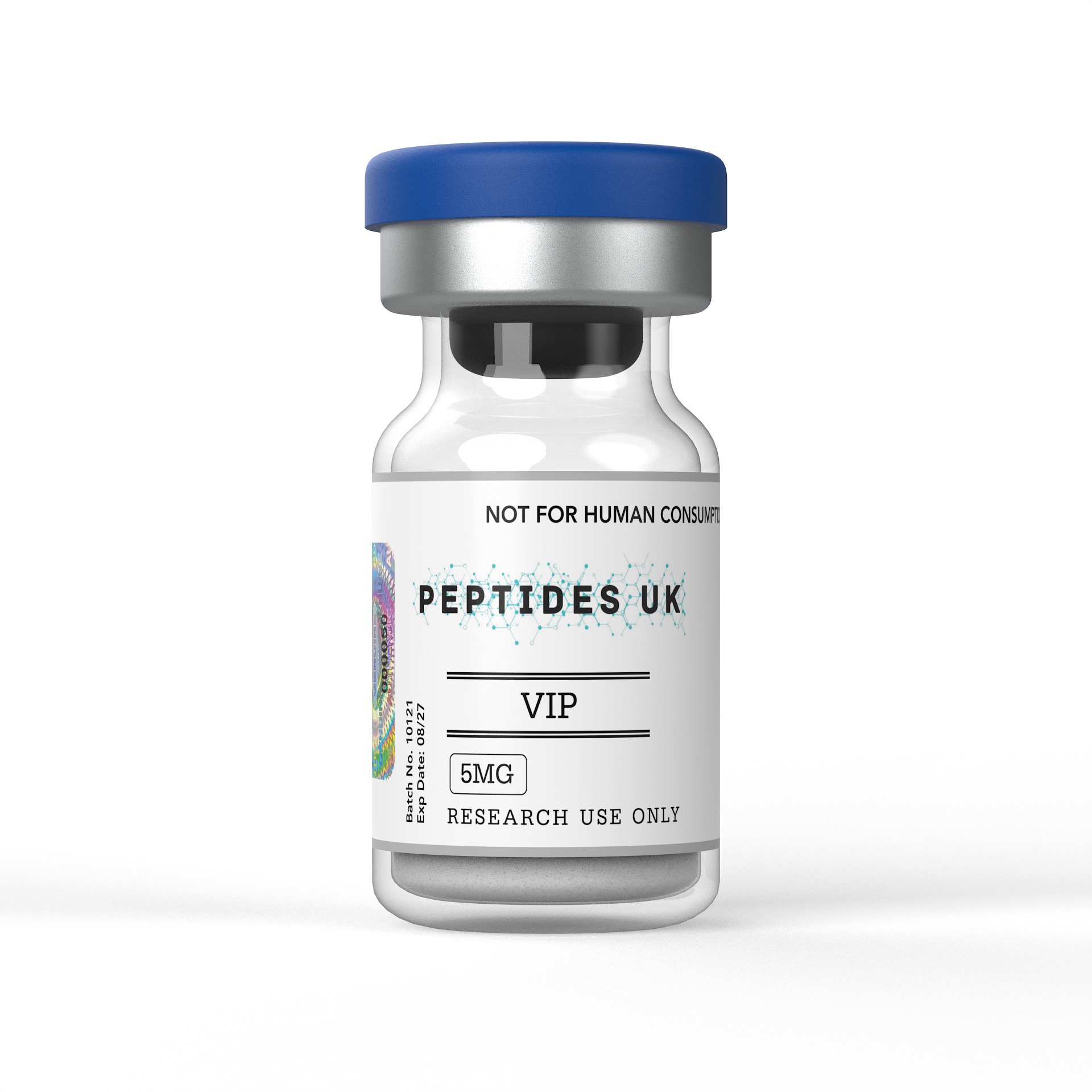
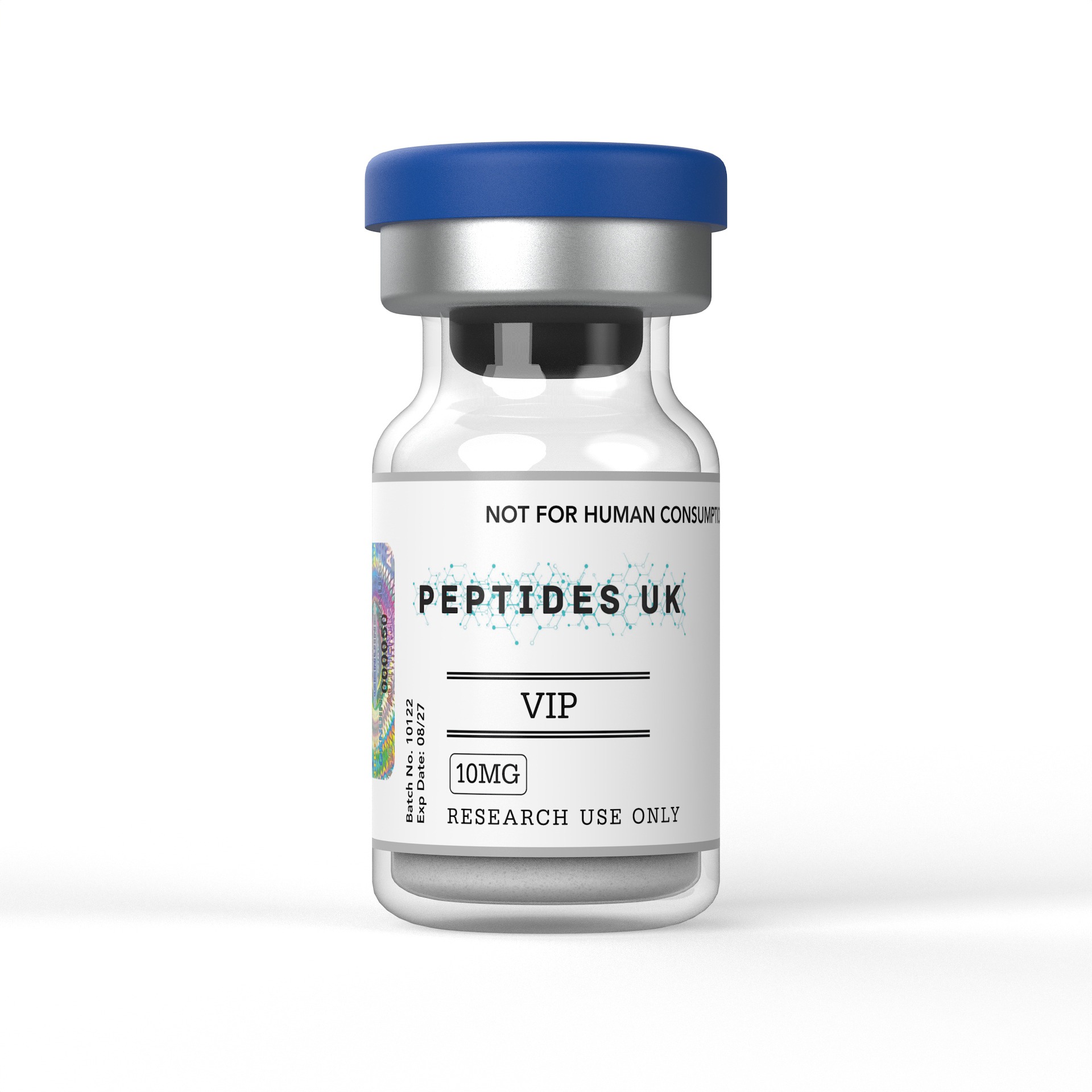
VIP — Vasoactive Intestinal Peptide — is a naturally occurring 28-amino acid neuropeptide studied for its wide-ranging roles in immune modulation, gut function, cardiovascular regulation, and circadian rhythm biology, making it one of the most multi-functional peptides available for research in the USA today.
Researchers, labs, and institutions across the United States can source verified, research-grade VIP peptide with fast dispatch, full documentation, and third-party verified purity.
✅ ≥99% Purity — HPLC & Mass Spectrometry Verified
✅ Batch-Specific Certificate of Analysis (CoA) Included
✅ Third-Party Tested | GMP Manufactured
✅ Fast Dispatch to USA — Tracked Shipping Available
What Is VIP Peptide?
VIP (Vasoactive Intestinal Peptide) is a 28-amino acid neuropeptide and hormone that belongs to the glucagon/secretin superfamily. First isolated from porcine intestinal tissue in 1970, VIP is one of the most extensively studied neuropeptides in biomedical research. Its amino acid sequence is highly conserved across vertebrate species — a strong indicator of fundamental biological importance.
VIP is produced naturally throughout the body, including the gut, pancreas, brain, heart, lungs, and immune system, where it acts both as a neurotransmitter and a neuroendocrine signaling molecule. It binds to two primary receptor subtypes — VPAC1 and VPAC2 — which are found across a wide range of tissues and cell types, explaining VIP’s remarkably broad range of biological activities studied in research settings.
VIP is a research compound only and is not approved for human therapeutic use outside of specific pharmaceutical formulations.
What Does VIP Peptide Do?
In research settings, VIP has been studied across multiple biological systems due to its diverse receptor expression profile. Studies have explored its potential influence on:
- Immune modulation — regulation of both pro- and anti-inflammatory responses, including T-cell activity and cytokine production
- Gut function — smooth muscle relaxation, gastric acid inhibition, pancreatic secretion, and intestinal motility
- Cardiovascular regulation — vasodilation, coronary blood flow, and cardiac contractility
- Circadian rhythm — VIP signaling in the suprachiasmatic nucleus (SCN) as a key regulator of the biological clock
- Pulmonary research — airway smooth muscle relaxation and pulmonary vascular tone
- Autoimmune and inflammatory disease models — including IBD, rheumatoid arthritis, and multiple sclerosis research
- Neuroprotection — studied for its neurotrophic and neuroprotective properties in the central nervous system
- Glucose and metabolic regulation — insulin secretion and glucose-dependent pancreatic signaling via VPAC2 receptors
VIP is a research compound only and is not approved for self-administration or therapeutic use.
What Do Studies Say About VIP Peptide?
VIP has one of the longest and most diverse research histories of any neuropeptide studied in the USA, spanning immunology, gastroenterology, cardiovascular biology, and neuroscience.
Immune Modulation and Anti-Inflammatory Research
VIP is widely studied as a potent endogenous regulator of immune responses. Research has shown it can suppress pro-inflammatory cytokine production — including TNF-α, IL-6, and IL-12 — while promoting anti-inflammatory and regulatory T-cell activity. Studies in autoimmune disease models, including colitis, experimental arthritis, and multiple sclerosis models, have demonstrated a consistent immunomodulatory profile, making VIP one of the most studied peptides in neuroimmunology research.
Gut and Gastrointestinal Research
VIP plays a well-characterized role in gut physiology. Research has examined its effects on smooth muscle relaxation throughout the gastrointestinal tract, inhibition of gastric acid secretion, stimulation of pancreatic bicarbonate and water secretion, and regulation of intestinal motility. Studies in inflammatory bowel disease models have noted altered VIP signaling in colitis and Crohn’s disease, positioning it as a relevant tool compound for gut biology research in the USA.
Cardiovascular Research
VIP has been studied extensively for its cardiovascular effects. Research has shown it acts as a potent vasodilator — with studies noting it is significantly more potent than acetylcholine on a molar basis in certain vascular preparations. It has been investigated for its effects on coronary artery blood flow, cardiac contractility, and heart rate regulation through its presence in nerve fibers around the sinoatrial and atrioventricular nodes. Research has also explored its potential role in pulmonary hypertension, with early clinical investigations examining inhaled VIP as an investigational approach to primary pulmonary hypertension.
Circadian Rhythm and Neuroscience Research
VIP is recognized as a key neuropeptide in the regulation of circadian rhythms. Research has established that VIP produced in the suprachiasmatic nucleus (SCN) is essential for synchronizing circadian oscillations across the brain’s internal clock network. Studies have shown that VIP-deficient animal models display fragmented and dysregulated circadian rhythms, making VIP a primary research tool in sleep and chronobiology studies.
Metabolic and Diabetes Research
Studies have examined VIP’s role in glucose-dependent insulin secretion through VPAC2 receptors on pancreatic beta cells. Research suggests VIP promotes insulin secretion in a glucose-dependent manner — a property of significant interest in type 2 diabetes research — and may also support beta-cell proliferation through downstream signaling pathways.
Neuroprotection Research
Alongside PACAP, VIP has been studied for its neuroprotective properties in the central nervous system. Research has explored its potential to support neuronal survival under conditions of oxidative stress and neuroinflammation, with relevance to neurodegenerative disease models.
All referenced findings are from pre-clinical or early-stage research. VIP is not approved for human therapeutic use outside of specifically regulated contexts.
Why Buy VIP Peptide in the USA From Us?
When you buy VIP peptide in the USA through our platform, every order includes:
- Batch-specific Certificate of Analysis (CoA)
- HPLC Chromatogram
- Mass Spectrometry Confirmation
- Sterility & Endotoxin Testing Report
- Reconstitution Protocol
- Technical Research Support
We supply USA peptides to licensed researchers, universities, and institutions — with cold-chain compliant packaging designed to maintain peptide integrity throughout transit.
VIP Peptide Product Specifications
| Parameter |
Specification |
| Purity |
≥99% (HPLC & MS Verified) |
| Form |
White Lyophilized Powder |
| Amino Acids |
28 |
| Molecular Weight |
3,326.85 g/mol |
| Receptor Targets |
VPAC1, VPAC2 |
| Solubility |
Sterile water / 0.1% acetic acid |
| Storage (powder) |
-20°C, stable 24+ months |
| Storage (reconstituted) |
2–8°C, use within 2–4 weeks |
| Available Sizes |
1mg |
How Do I Reconstitute VIP Peptide?
Allow the vial to reach room temperature before opening. Slowly add sterile water or 0.1% acetic acid down the inside wall of the vial and swirl gently — do not shake. Due to VIP’s short natural half-life, working solutions should be prepared fresh where possible and kept at 2–8°C for no more than a few days. For longer-term storage, aliquot and keep at -80°C.
VIP vs Related Neuropeptides in Research
| Feature |
VIP |
PACAP |
KPV |
| Length |
28 amino acids |
27–38 amino acids |
3 amino acids |
| Receptor Targets |
VPAC1, VPAC2 |
VPAC1, VPAC2, PAC1 |
MC1R / NF-κB pathway |
| Primary Research Focus |
Immune / gut / cardiovascular / circadian |
Neuroprotection / neuroendocrine |
Gut inflammation |
| Immune Modulation |
Extensively studied |
Studied |
Studied |
| Circadian Research |
Key regulator |
Secondary |
Not studied |
Frequently Asked Questions — VIP Peptide USA
Can I buy VIP peptide in the USA?
Yes. We supply research-grade Vasoactive Intestinal Peptide (VIP) with fast tracked dispatch across the United States. All orders include full purity documentation and integrity-maintained packaging for research use.
What does VIP stand for in peptide research?
VIP stands for Vasoactive Intestinal Peptide — named for its originally identified property as a potent vasodilator first isolated from intestinal tissue. Despite its name, research has since shown VIP has significant activity far beyond the intestine, including in the brain, immune system, cardiovascular system, and lungs.
What receptors does VIP bind to?
VIP binds to two primary G-protein-coupled receptors — VPAC1 and VPAC2 — both of which are widely distributed across tissue types including the gut, immune cells, brain, and cardiovascular system. This broad receptor distribution is what accounts for VIP’s wide range of biological effects studied in research.
How is VIP different from PACAP?
VIP and PACAP (pituitary adenylate cyclase-activating polypeptide) are closely related neuropeptides that share receptor affinity for VPAC1 and VPAC2. However, PACAP additionally binds the PAC1 receptor, to which VIP has very low affinity. This distinction means the two peptides have overlapping but distinct research applications — VIP is more studied for immune and gut biology, while PACAP research focuses more on neuroprotection and neuroendocrine signaling.
What purity level should research-grade VIP peptide be?
≥98% is the accepted minimum for research-grade peptides, though ≥99% is preferred for receptor binding, immunology, and circadian biology assays. All of our USA peptides — including VIP — are HPLC and mass spectrometry verified to ≥99%.
How quickly is VIP peptide delivered in the USA?
Orders are dispatched promptly with tracked shipping. Most USA orders arrive within 3–5 business days.
Where can I find VIP peptide for sale in the USA?
We offer Vasoactive Intestinal Peptide (VIP) for sale in the USA exclusively for licensed research use, with full documentation and verified purity included as standard with every order.
Research Disclaimer: Vasoactive Intestinal Peptide (VIP) is supplied exclusively for legitimate scientific research purposes in licensed laboratory environments. This product is not intended for human consumption, self-administration, or therapeutic use of any kind. It must be handled by qualified researchers in accordance with all applicable US federal and state regulations and institutional ethics guidelines. By purchasing, you confirm that this compound will be used solely for approved in-vitro or pre-clinical research.