PRODUCTS SOLD ON PEPTIDESLABUSA.COM ARE FOR RESEARCH PURPOSES ONLY AND ARE NOT FOR HUMAN OR VETERINARY USE.
$119.00
Glutathione USA – Buy Online | In Stock & Ready to Ship
Buy Glutathione in the USA with fast domestic shipping and guaranteed ≥99% purity — fully verified with COA and HPLC documentation. A trusted choice for USA research teams studying oxidative stress, immune function and cellular detoxification, Glutathione is available in multiple formats to suit varying project needs. No international delays — just reliable, domestically sourced peptides USA researchers can count on.
For research use only. Not intended for human or veterinary use.
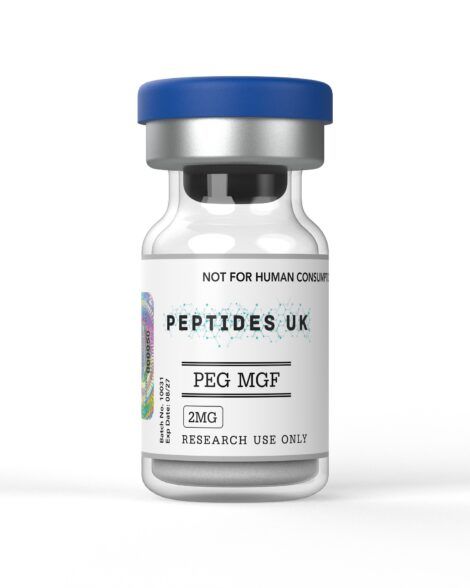

Glutathione (GSH) is the body’s most abundant endogenous antioxidant tripeptide — studied across virtually every field of biomedical research for its central role in oxidative stress defense, detoxification, immune regulation, and cellular redox balance, making it one of the most widely researched peptides available in the USA today.
Researchers, labs, and institutions across the United States can source verified, research-grade Glutathione (L-GSH) with fast dispatch, full documentation, and third-party verified purity.
✅ ≥99% Purity — HPLC & Mass Spectrometry Verified
✅ Batch-Specific Certificate of Analysis (CoA) Included
✅ Third-Party Tested | GMP Manufactured
✅ Fast Dispatch to USA — Tracked Shipping Available
Glutathione — formally L-γ-glutamyl-L-cysteinyl-glycine (GSH) — is a naturally occurring tripeptide synthesized in virtually every cell of the human body, with the highest concentrations found in the liver. It is composed of three amino acids: glutamic acid, cysteine, and glycine, and is distinguished by an unusual γ-peptide bond between glutamate and cysteine that makes it resistant to standard peptidase degradation.
Often referred to in research literature as the body’s “master antioxidant,” glutathione exists in two primary forms that are fundamental to its research applications:
The GSH/GSSG ratio is one of the most widely used indicators of intracellular redox status in research settings. Intracellular GSH concentrations typically range from 0.5 to 10 mM — making it one of the most concentrated small molecules inside cells — while extracellular concentrations are orders of magnitude lower. Glutathione levels are known to decline with age, and reduced GSH has been associated in research models with increased oxidative stress, impaired immune function, and metabolic dysfunction.
Glutathione is a research compound supplied here for licensed laboratory use only.
In research settings, glutathione is studied across an exceptionally broad range of biological systems due to its presence in virtually all cell types and its central role in multiple metabolic pathways. Studies have explored its role in:
Glutathione has one of the longest and most extensive research histories of any molecule in biomedical science, with thousands of peer-reviewed studies indexed across PMC, PubMed, and ScienceDirect spanning multiple decades and research disciplines.
Oxidative Stress and Redox Biology Research
GSH is the primary subject of redox biology research globally. PMC-indexed studies consistently identify the GSH/GSSG ratio as the most reliable cellular indicator of oxidative stress status. Research has shown that GSH depletion — whether through aging, environmental toxin exposure, or disease models — is closely associated with increased oxidative damage to lipids, proteins, and DNA. Glutathione’s role as a cofactor for GPx has been identified as a critical rate-limiting step in the enzymatic clearance of hydrogen peroxide in numerous cell and tissue models.
Liver and Detoxification Research
Glutathione’s role in hepatic detoxification is among its most studied functions. Research has established that liver cells maintain the highest GSH concentrations of any organ, and that GSH-dependent conjugation via glutathione S-transferases is a primary mechanism for neutralizing and eliminating drugs, heavy metals, and environmental toxins. Studies examining GSH depletion in liver models consistently show increased susceptibility to oxidative injury and impaired clearance function.
Immune Function and Viral Research
Research has shown that adequate GSH levels are required for normal T-cell proliferation, natural killer cell activity, and macrophage function. Studies in immunology research models have demonstrated that GSH depletion significantly impairs immune response capacity, while restoration of GSH levels supports immune cell activity. Research has also examined glutathione in the context of viral infection models, where oxidative stress-mediated GSH depletion has been studied as a factor in cellular vulnerability.
Neurodegeneration and Brain Research
Glutathione is studied extensively in the context of neurological disease models. The brain is particularly vulnerable to oxidative stress due to its high metabolic rate and relatively low antioxidant enzyme reserves. PMC literature on Parkinson’s disease, Alzheimer’s disease, and other neurodegenerative models consistently highlights reduced GSH levels in affected brain regions, making glutathione a key tool compound in neuroprotection research across the USA.
Skin Biology and Melanogenesis Research
A randomized, double-blind, placebo-controlled study published in the Journal of Clinical and Aesthetic Dermatology examined both reduced (GSH) and oxidized (GSSG) forms of glutathione in skin biology models. Findings showed measurable effects on melanin index across both forms, with researchers noting that GSH’s antimelanogenic properties involve multiple pathways including interference with intracellular trafficking of melanogenic enzymes and a shift toward pheomelanin synthesis. This area has become one of the most actively growing fields of glutathione research.
Metabolic and Diabetes Research
Research has examined GSH availability in the context of insulin resistance and type 2 diabetes models. Studies have noted that hyperglycemia increases reactive oxygen metabolite production and impairs GSH metabolism in erythrocyte models — positioning glutathione as a relevant tool compound for studying oxidative stress in metabolic disease research contexts.
Cancer Biology Research
Glutathione plays a complex dual role in cancer research. On one hand, GSH-dependent detoxification enzymes are studied for their protective effects against carcinogen-induced DNA damage. On the other hand, elevated GSH in certain cancer cell models has been associated with resistance to chemotherapy-induced oxidative stress — making glutathione modulation a significant area of oncology research tool development in the USA.
All referenced findings are from pre-clinical or peer-reviewed research. Glutathione is supplied here as a research compound only and is not approved for self-administration or therapeutic use outside of specifically regulated pharmaceutical contexts.
When you buy research-grade Glutathione in the USA through our platform, every order includes:
We supply USA research peptides to licensed researchers, universities, and institutions — with packaging designed to maintain compound integrity throughout transit.
| Parameter | Specification |
|---|---|
| Purity | ≥99% (HPLC & MS Verified) |
| Full Name | L-γ-Glutamyl-L-cysteinyl-glycine |
| Abbreviation | GSH |
| Form | White Lyophilized Powder |
| Amino Acids | 3 (Glutamic acid, Cysteine, Glycine) |
| Molecular Weight | 307.32 g/mol |
| Solubility | Sterile water / PBS (pH 7.0–7.5) |
| Storage (powder) | -20°C, protect from light and moisture |
| Storage (reconstituted) | 2–8°C, use within 48 hours (oxidation-sensitive) |
| Available Sizes | 100mg |
Glutathione is sensitive to oxidation once dissolved — reconstituted solutions should be prepared fresh for each experiment where possible. Allow the vial to reach room temperature before opening. Add sterile water or PBS (pH 7.0–7.5) slowly down the inside wall of the vial and swirl gently. Do not use alkaline buffers, as these accelerate GSH oxidation. For longer-term working stock storage, aliquot under inert gas conditions and store at -80°C. Avoid repeated freeze-thaw cycles.
Note: Reconstituted GSH should be used promptly. If the GSSG/GSH ratio is critical to your assay, prepare and use solutions immediately or account for ambient oxidation in your experimental design.
| Feature | GSH (Reduced) | GSSG (Oxidized) | NAC |
|---|---|---|---|
| Form | Active antioxidant | Oxidized / redox indicator | GSH precursor |
| Direct ROS Scavenging | Yes | No | Indirect (via GSH synthesis) |
| Redox Status Marker | Yes (GSH/GSSG ratio) | Yes (paired with GSH) | No |
| Cell Permeability | Limited (intact) | Limited | High |
| Melanogenesis Research | Extensively studied | Studied | Limited |
| Enzymatic Cofactor | Yes (GPx, GST) | No | No |
Can I buy Glutathione research peptide in the USA?
Yes. We supply research-grade Glutathione (GSH) with fast tracked dispatch across the United States. All orders include full purity documentation and integrity-maintained packaging for laboratory research use.
What is the difference between reduced and oxidized glutathione?
Reduced glutathione (GSH) is the biologically active form — it carries a free thiol group that donates electrons to neutralize reactive oxygen species. Oxidized glutathione (GSSG) is produced when two GSH molecules bond together after reacting with oxidants. The GSH/GSSG ratio is one of the most widely used indicators of cellular redox status in research. Our product is supplied as reduced glutathione (GSH).
Why is glutathione called the master antioxidant?
Glutathione is referred to in research literature as the master antioxidant because it functions both directly — by reacting with and neutralizing oxidants — and indirectly, by regenerating other antioxidants including vitamins C and E back to their active forms. It is also a cofactor for key antioxidant enzymes including glutathione peroxidase and glutathione S-transferase, making it central to multiple antioxidant defense networks simultaneously.
How does glutathione decline with age?
Research has shown that intracellular GSH levels decline measurably with age across multiple tissue types, including the liver, brain, and immune cells. This decline is associated with reduced synthesis capacity, increased oxidative load, and diminished recycling of GSSG back to GSH — all of which are active areas of aging research in the USA.
What is the GSH/GSSG ratio used for in research?
The GSH/GSSG ratio is used as a quantitative indicator of intracellular redox status. A lower ratio indicates a more oxidizing cellular environment and is associated with elevated oxidative stress in research models. It is one of the most common readout metrics in oxidative stress, aging, and disease-model research.
What purity level should research-grade Glutathione be?
≥98% is the accepted minimum for research-grade peptides, though ≥99% is preferred for redox assays, enzymatic studies, and cell-based oxidative stress models. All of our USA research peptides — including Glutathione — are HPLC and mass spectrometry verified to ≥99%.
How quickly is Glutathione delivered in the USA?
Orders are dispatched promptly with tracked shipping. Most USA orders arrive within 3–5 business days.
Where can I find Glutathione peptide for sale in the USA?
We offer research-grade Glutathione for sale in the USA exclusively for licensed laboratory research use, with full documentation and verified purity included as standard with every order.
Research Disclaimer: Glutathione (GSH) is supplied exclusively for legitimate scientific research purposes in licensed laboratory environments. This product is not intended for human consumption, self-administration, or therapeutic use of any kind. It must be handled by qualified researchers in accordance with all applicable US federal and state regulations and institutional ethics guidelines. By purchasing, you confirm that this compound will be used solely for approved in-vitro or pre-clinical research.
Receive News