PRODUCTS SOLD ON PEPTIDESLABUSA.COM ARE FOR RESEARCH PURPOSES ONLY AND ARE NOT FOR HUMAN OR VETERINARY USE.

$67.00 – $130.00Price range: $67.00 through $130.00
HCG (Human Chorionic Gonadotropin) USA – Buy Online | In Stock & Ready to Ship
Buy HCG in the USA with fast domestic shipping and guaranteed ≥99% purity — fully verified with COA and HPLC documentation. A trusted choice for USA research teams studying luteinizing hormone mimicry, testosterone production and reproductive hormone signaling pathways, HCG is available in multiple formats to suit varying project needs. No international delays — just reliable, domestically sourced peptides USA researchers can count on.
For research use only. Not intended for human or veterinary use.
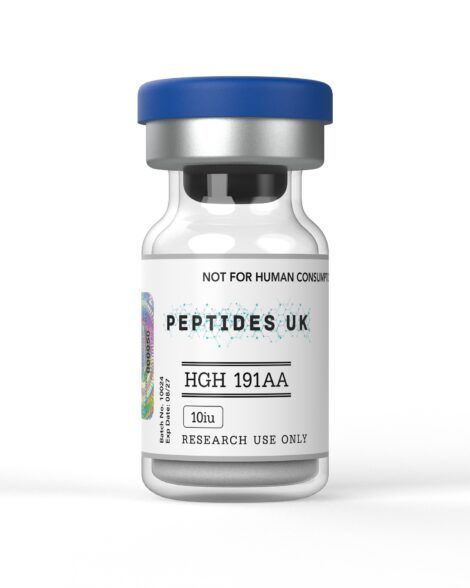

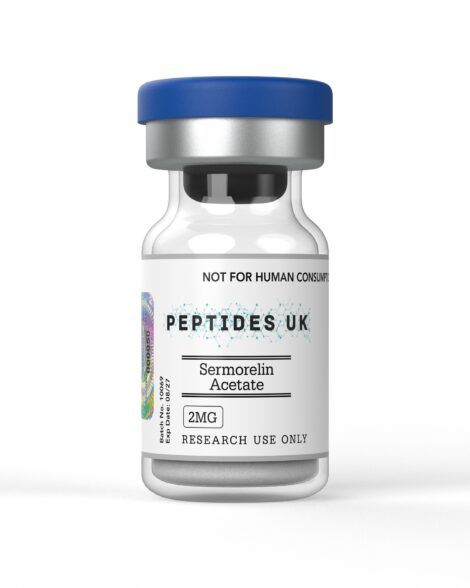
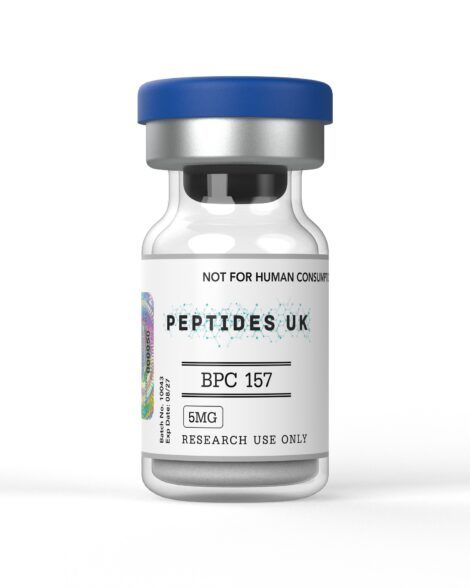
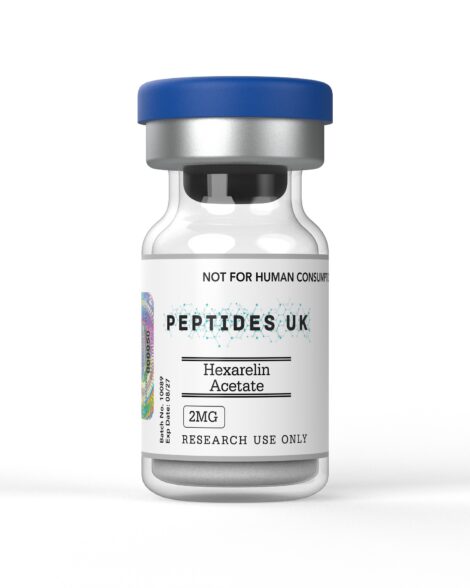
HCG (Human Chorionic Gonadotropin) is a naturally occurring glycoprotein hormone produced by the syncytiotrophoblast cells of the placenta during pregnancy, studied extensively across reproductive endocrinology, male and female fertility research, gonadal steroidogenesis, and hypothalamic-pituitary-gonadal axis biology for its potent activation of LH receptors, its central role in gonadal hormone production, and its broad influence across reproductive, metabolic, and developmental biology — making it one of the most fundamental and widely researched gonadotropin hormones in modern reproductive and endocrinology science. Researchers and institutions across the USA can source verified, research-grade HCG with fast domestic dispatch and full batch documentation included.
✅ ≥99% Purity — HPLC & Mass Spectrometry Verified
✅ Batch-Specific Certificate of Analysis (CoA) Included
✅ Sterile Lyophilised Powder | GMP Manufactured
✅ Fast Dispatch Across the USA | USA Peptides In Stock
Human Chorionic Gonadotropin (HCG) is a heterodimeric glycoprotein hormone consisting of two non-covalently associated subunits — an alpha subunit of 92 amino acids shared with other glycoprotein hormones including LH, FSH, and TSH, and a unique beta subunit of 145 amino acids that confers HCG’s specific receptor binding activity and biological identity. The complete HCG heterodimer has a molecular weight of approximately 36–40 kDa including its extensive carbohydrate side chains, which account for approximately 30% of its molecular weight and play important roles in its biological activity, half-life, and receptor binding characteristics.
HCG is structurally and functionally homologous to Luteinizing Hormone (LH) — sharing the same alpha subunit and binding to the same LH/HCG receptor (LHCGR) — but differs significantly in its beta subunit structure and glycosylation pattern, which together confer a substantially longer half-life than LH. Where LH has a half-life of approximately 20–30 minutes, HCG’s extensive glycosylation extends its half-life to approximately 24–36 hours — making HCG a uniquely valuable research tool for studying LH receptor biology with extended receptor activation timelines that cannot be achieved with endogenous LH.
In reproductive biology, HCG’s primary endogenous function is to maintain the corpus luteum during early pregnancy — signalling continued progesterone production to support uterine receptivity and embryo implantation. Beyond this reproductive function, HCG activates LH/HCG receptors in the testes, ovaries, and multiple extragonadal tissues, driving steroidogenesis, gametogenesis support, and a range of non-reproductive biological effects that make it a broadly applicable research tool across reproductive endocrinology, fertility science, and gonadal biology.
As a recombinant or urinary-derived research compound, HCG is one of the most historically significant and extensively studied gonadotropin hormones available to buy in the USA — with active research use across reproductive endocrinology, male fertility biology, Leydig cell research, ovarian biology, and hypothalamic-pituitary-gonadal axis science at research institutions nationwide.
In controlled pre-clinical and laboratory settings, HCG has been studied across a wide range of reproductive, endocrinological, and physiological research applications:
LH/HCG Receptor (LHCGR) Pharmacology Research HCG is the primary research ligand for studying LH/HCG receptor biology — used in receptor binding assays, LHCGR activation studies, and signal transduction research to characterise how gonadotropin receptor stimulation drives downstream cAMP-PKA and steroidogenic signalling cascades in gonadal and extragonadal tissues.
Testosterone and Gonadal Steroidogenesis Research One of HCG’s most studied research applications is its stimulation of testosterone production from Leydig cells in the testes via LHCGR activation. Studies have examined how HCG drives the steroidogenic pathway — including StAR protein activation, cholesterol transport, and CYP17A1 enzyme activity — to produce testosterone and other androgens, making it an essential research tool for studying testicular steroidogenesis and Leydig cell biology.
Male Reproductive Biology Research Research has examined HCG’s broad influence on male reproductive biology — including its effects on Leydig cell function and proliferation, spermatogenesis support via testosterone production, testicular development, and the regulation of intratesticular hormone concentrations — contributing foundational data to the understanding of male gonadal biology and reproductive endocrinology.
Hypothalamic-Pituitary-Gonadal (HPG) Axis Research HCG is used as a pharmacological LH surrogate to study HPG axis biology — examining how gonadotropin receptor activation influences gonadal steroidogenesis, how gonadal hormones feed back to regulate pituitary LH secretion, and how the HPG axis responds to exogenous gonadotropin stimulation in pre-clinical models.
Female Reproductive Biology Research In female reproductive biology research, HCG has been studied for its role in triggering ovulation — mimicking the endogenous LH surge — and for its effects on corpus luteum function, progesterone production, follicle luteinisation, and ovarian steroidogenesis in pre-clinical models of the female reproductive cycle.
Ovarian Biology Research Studies have examined HCG’s influence on ovarian granulosa and theca cell biology — including its effects on steroidogenesis, follicle development, oocyte maturation, and the signalling events associated with the LH surge and ovulation — contributing to the broader understanding of ovarian endocrinology and reproductive cycle regulation.
Corpus Luteum Research HCG’s endogenous role in corpus luteum maintenance has been studied extensively in reproductive biology research, with studies examining how LHCGR activation by HCG drives progesterone production, corpus luteum survival signalling, and the luteal phase hormonal environment in pre-clinical reproductive models.
Fertility and Assisted Reproduction Research HCG has been extensively used in pre-clinical assisted reproduction research protocols — including ovarian stimulation models, controlled ovarian hyperstimulation studies, and oocyte maturation research — providing a well-characterised gonadotropin tool for studying the biological responses to exogenous gonadotropin stimulation in fertility research contexts.
Extragonadal HCG Receptor Research LHCGR expression has been documented in multiple extragonadal tissues including the uterus, breast, prostate, adrenal gland, kidney, and brain. Research has examined HCG’s biological effects in these extragonadal tissues — exploring roles in uterine biology, implantation signalling, immune modulation during pregnancy, and non-reproductive tissue biology — expanding the research scope of HCG well beyond classical gonadal steroidogenesis.
Cancer Biology Research HCG and its receptor are expressed in various cancer cell types, and research has examined HCG’s influence on cancer cell proliferation, differentiation, and survival signalling — with research interest in how gonadotropin receptor biology intersects with tumour cell behaviour in reproductive and non-reproductive cancers.
Thyroid Research HCG has structural homology with TSH and exhibits weak thyroid-stimulating activity at high concentrations. Research has examined this HCG-TSH receptor cross-reactivity in the context of gestational thyroid regulation and how high HCG concentrations influence thyroid biology — a relevant research area for understanding pregnancy-associated thyroid dynamics.
All applications are for research purposes only. HCG as supplied is not intended for human therapeutic use.
HCG has accumulated one of the most extensive and historically significant research profiles of any reproductive hormone in modern endocrinology science:
LHCGR Pharmacology: Research has thoroughly characterised HCG’s interaction with the LH/HCG receptor — documenting its binding affinity, receptor activation kinetics, downstream cAMP-PKA signalling cascade, and how its extended half-life compared to LH affects receptor occupancy and downstream biological responses — establishing HCG as the gold standard pharmacological tool for LH receptor research.
Testicular Steroidogenesis: Studies have extensively characterised HCG’s stimulation of Leydig cell testosterone production, documenting the complete steroidogenic pathway from LHCGR activation through cholesterol mobilisation, StAR protein induction, and androgen biosynthesis — making HCG the primary research tool for studying testicular steroidogenesis and Leydig cell biology in pre-clinical models.
Ovarian Biology: A substantial body of reproductive biology research has documented HCG’s effects on ovarian granulosa and theca cell steroidogenesis, follicle luteinisation, and corpus luteum function — with studies examining how LHCGR activation drives progesterone production and the hormonal events associated with ovulation and early luteal phase biology.
HPG Axis Research: Studies have used HCG extensively as a pharmacological LH surrogate to study HPG axis dynamics — examining gonadal steroidogenesis, negative feedback regulation, and pituitary gonadotropin secretion in response to exogenous gonadotropin receptor stimulation across multiple pre-clinical model systems.
Extragonadal Receptor Biology: Research has documented LHCGR expression and HCG activity across a range of extragonadal tissues — with studies reporting biological effects in uterine, breast, prostate, and immune tissue models — expanding scientific understanding of gonadotropin receptor biology beyond its classical reproductive context and generating broad research interest in non-reproductive HCG biology.
Structural Biology: Research has characterised the structure-activity relationship of the HCG heterodimer — examining how the alpha and beta subunit interaction, glycosylation pattern, and beta subunit C-terminal extension contribute to receptor binding, biological activity, and extended half-life compared to LH — providing foundational insight into gonadotropin hormone structural biology.
| Feature | HCG | LH | FSH | Kisspeptin-10 |
|---|---|---|---|---|
| Type | Glycoprotein gonadotropin hormone | Glycoprotein gonadotropin hormone | Glycoprotein gonadotropin hormone | Neuropeptide — GPR54 agonist |
| Subunit Structure | Alpha (92AA) + Beta (145AA) heterodimer | Alpha (92AA) + Beta (121AA) heterodimer | Alpha (92AA) + Beta (111AA) heterodimer | 10 amino acid neuropeptide |
| Receptor Target | LHCGR (LH/HCG receptor) | LHCGR (LH/HCG receptor) | FSHR (FSH receptor) | GPR54 (Kiss1R) |
| Half-Life | ~24–36 hours | ~20–30 minutes | ~3–4 hours | ~20–30 minutes |
| Primary Research Use | Gonadal steroidogenesis / LHCGR pharmacology / fertility research | Endogenous LH signalling / HPG axis research | Folliculogenesis / spermatogenesis / FSHR research | GnRH pulse regulation / HPG axis upstream research |
| Best For | LH receptor pharmacology / testicular / ovarian biology studies | Acute LH receptor studies / HPG axis dynamics | Ovarian follicle / testicular Sertoli cell biology | Hypothalamic GnRH regulation / reproductive neuroendocrinology |
| Parameter | Specification |
|---|---|
| Full Name | Human Chorionic Gonadotropin (HCG) |
| Structure | Heterodimeric glycoprotein — alpha + beta subunit |
| Molecular Weight | ~36–40 kDa (including glycosylation) |
| Receptor Target | LHCGR (LH/HCG Receptor) |
| Purity | ≥99% (HPLC & MS Verified) |
| Form | Sterile Lyophilised Powder |
| Solubility | Sterile water, bacteriostatic water, PBS |
| Storage (Powder) | -20°C, protect from light |
| Storage (Reconstituted) | 2–8°C, use promptly |
| Manufacturing | GMP Manufactured |
Every order includes full batch documentation:
✅ Batch-Specific Certificate of Analysis (CoA)
✅ HPLC Chromatogram
✅ Mass Spectrometry Confirmation
✅ Sterility & Endotoxin Testing Report
✅ Reconstitution Protocol
✅ Technical Research Support
Can I buy research-grade HCG in the USA? Yes. We supply research-grade HCG (Human Chorionic Gonadotropin) to researchers and institutions across the United States. All orders include full batch documentation and are packaged to maintain protein integrity during transit. This compound is supplied strictly for laboratory research use only.
What is HCG and what makes it important in reproductive research? HCG is a heterodimeric glycoprotein hormone naturally produced during pregnancy that activates the LH/HCG receptor — the same receptor targeted by Luteinizing Hormone (LH). Its importance in reproductive research stems from two key characteristics: first, it is structurally homologous to LH and activates the same receptor, making it a well-characterised pharmacological surrogate for LH in research; second, its significantly longer half-life of approximately 24–36 hours compared to LH’s 20–30 minutes allows extended LH receptor activation studies that cannot be achieved with endogenous LH — making it an essential and irreplaceable tool in gonadotropin receptor and reproductive endocrinology research.
What is the difference between HCG and LH in research? HCG and LH both activate the LHCGR and drive gonadal steroidogenesis, but they differ significantly in their beta subunit structure, glycosylation, and half-life. LH has a half-life of approximately 20–30 minutes — suited to studying acute, pulsatile gonadotropin receptor activation as it occurs physiologically. HCG has a half-life of approximately 24–36 hours due to its more extensive glycosylation and unique beta subunit C-terminal extension — making it the preferred research tool when sustained LHCGR activation and extended steroidogenic stimulation are required. Researchers use LH for acute HPG axis dynamics research and HCG for sustained gonadotropin receptor activation, Leydig cell steroidogenesis, and longer-duration reproductive biology studies.
What is the difference between HCG and FSH in research? HCG and FSH are both glycoprotein gonadotropins sharing the same alpha subunit, but they target completely different receptors and regulate distinct aspects of reproductive biology. HCG activates LHCGR, driving gonadal steroidogenesis — testosterone production in Leydig cells and progesterone/oestrogen production in ovarian cells. FSH activates the FSH receptor (FSHR), driving folliculogenesis in the ovary and supporting spermatogenesis in testicular Sertoli cells. In research terms, HCG is used when studying gonadal steroidogenesis, LHCGR pharmacology, and LH receptor-driven biology, while FSH is used when studying follicle development, Sertoli cell biology, and FSH receptor-dependent reproductive processes.
What purity is required for HCG research? ≥98% is considered research-grade, but ≥99% purity is strongly preferred for LHCGR binding assays, steroidogenesis studies, reproductive biology research, and HPG axis experiments where compound purity directly affects biological activity and experimental accuracy. All HCG supplied for USA researchers is independently verified to ≥99%.
How is HCG reconstituted for lab use? Allow the vial to reach room temperature before opening. Add sterile water, bacteriostatic water, or PBS slowly down the vial wall and swirl gently — do not shake, as vigorous agitation can disrupt the non-covalent alpha-beta subunit interaction and reduce biological activity. Use promptly after reconstitution, or aliquot and store at -80°C to preserve hormonal activity across multiple experimental uses. Avoid repeated freeze-thaw cycles as these can significantly reduce HCG biological activity. For long-term storage of reconstituted HCG, addition of carrier protein such as BSA may help maintain stability.
HCG (Human Chorionic Gonadotropin) is supplied exclusively for legitimate scientific research purposes conducted within licensed laboratory environments. This product is not intended for human consumption, self-administration, or any therapeutic application. It must be handled by qualified researchers in compliance with applicable US federal and state regulations and institutional ethics guidelines. By purchasing, you confirm that this compound will be used solely for approved in-vitro or pre-clinical research purposes.
Receive News