PRODUCTS SOLD ON PEPTIDESLABUSA.COM ARE FOR RESEARCH PURPOSES ONLY AND ARE NOT FOR HUMAN OR VETERINARY USE.
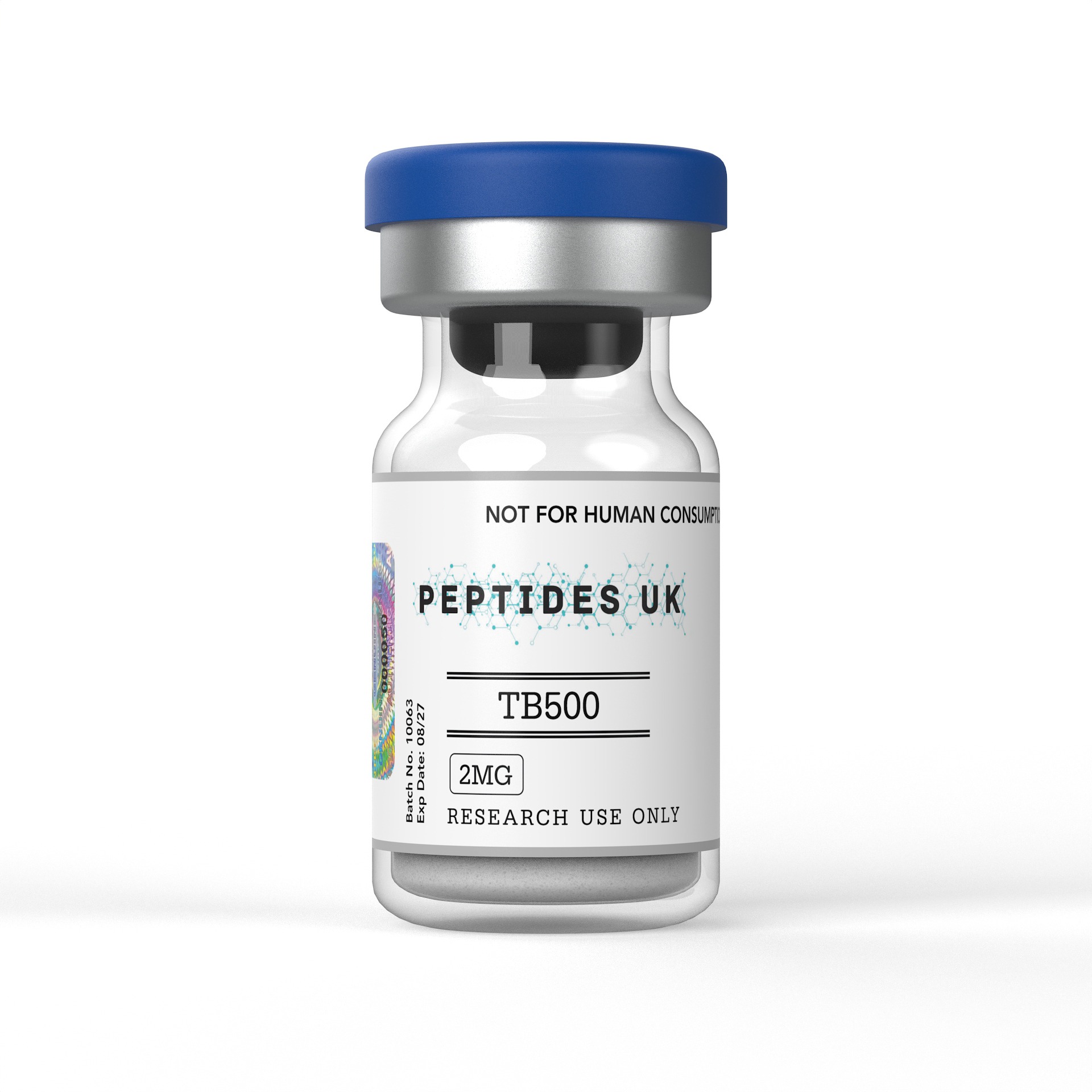
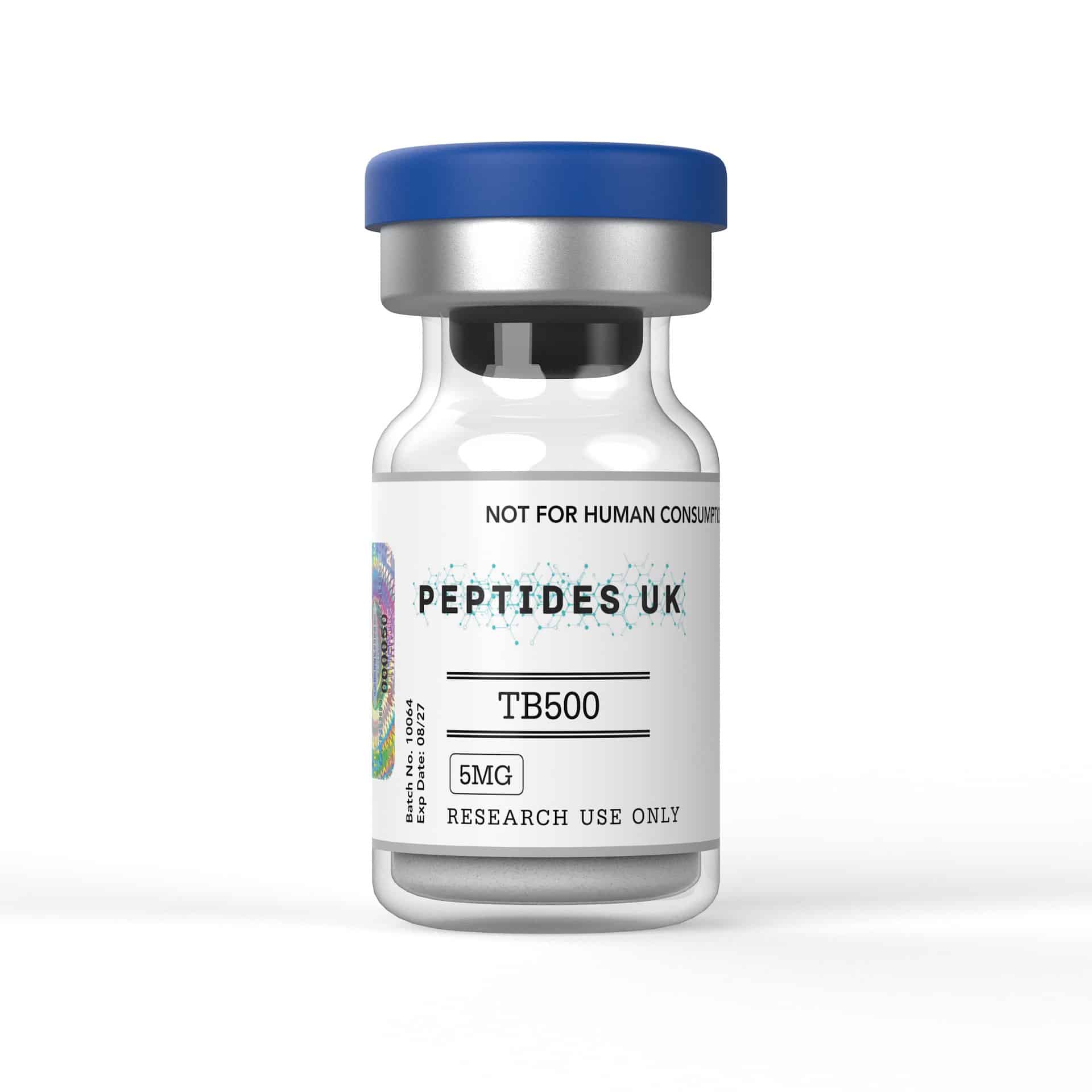
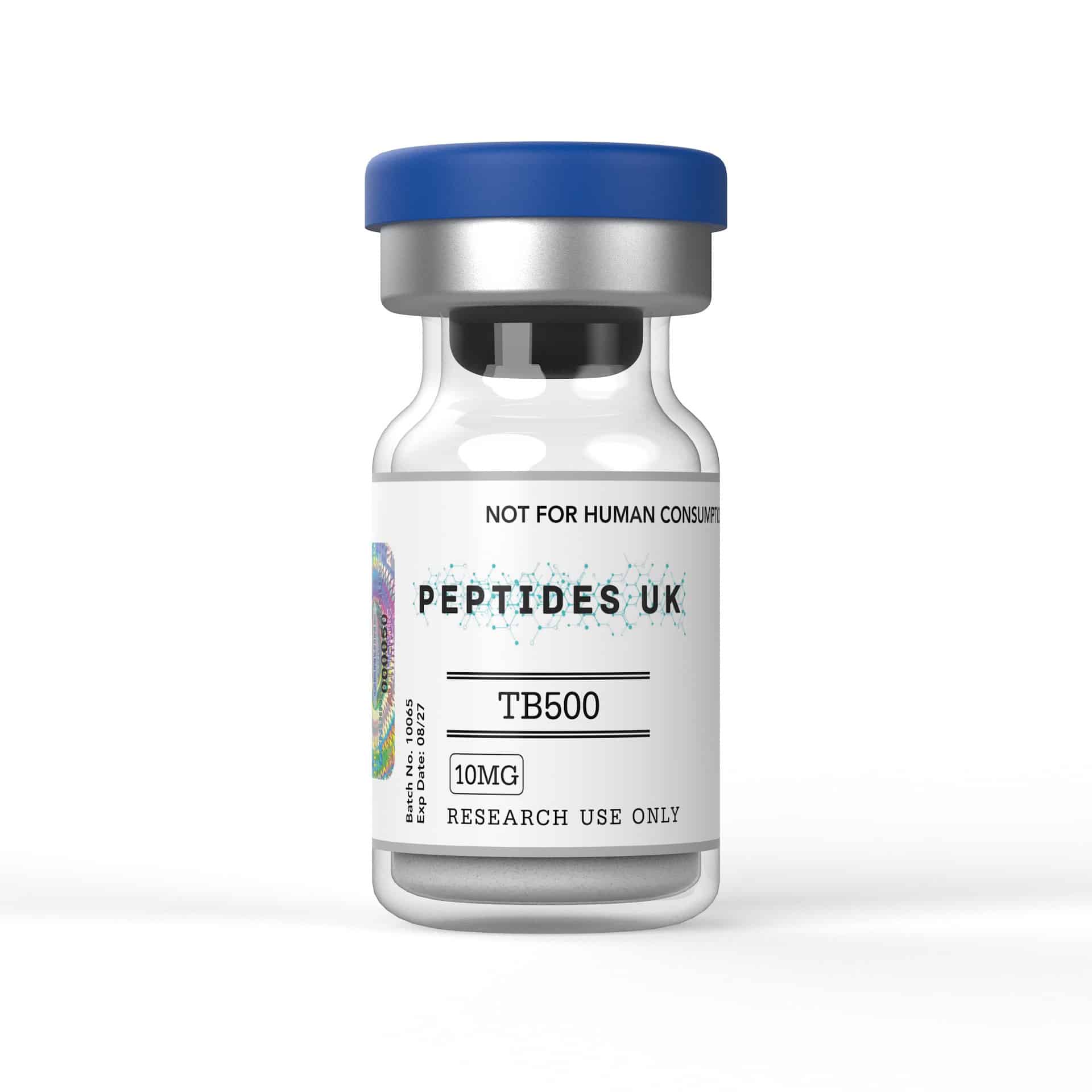
$32.50 – $53.50Price range: $32.50 through $53.50
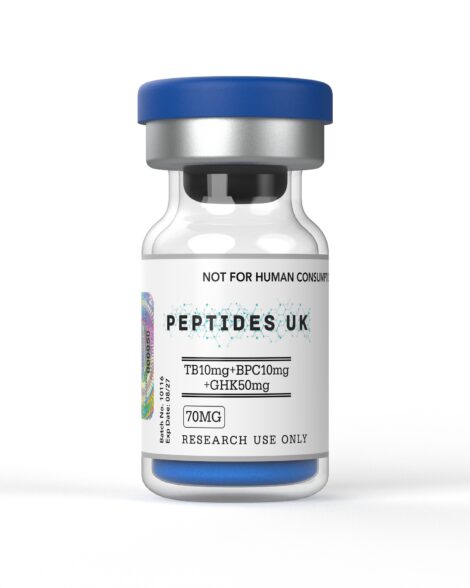
TB-500 Peptide USA – Buy Online | In Stock & Ready to Ship
Buy TB-500 (Thymosin Beta-4) in the USA with fast domestic shipping and guaranteed ≥99% purity — fully verified with COA and HPLC documentation. A trusted choice for USA research teams studying tissue repair, angiogenesis and anti-inflammatory recovery pathways, TB-500 is available in multiple formats to suit varying project needs. No international delays — just reliable, domestically sourced peptides USA researchers can count on.
For research use only. Not intended for human or veterinary use.

TB-500 (Thymosin Beta-4) is a naturally occurring 43-amino acid peptide found in virtually every nucleated cell in the human body, studied extensively across regenerative biology, wound healing, cardiovascular research, neuroprotection, and tissue repair science for its central role in actin sequestration, cell migration regulation, angiogenesis promotion, and broad cytoprotective signalling — making it one of the most versatile, extensively researched, and biologically fundamental repair-promoting peptides in modern regenerative and cardiovascular science. Researchers and institutions across the USA can source verified, research-grade TB-500 with fast domestic dispatch and full batch documentation included.
✅ ≥99% Purity — HPLC & Mass Spectrometry Verified
✅ Batch-Specific Certificate of Analysis (CoA) Included
✅ Sterile Lyophilised Powder | GMP Manufactured
✅ Fast Dispatch Across the USA | USA Peptides In Stock
TB-500 is the synthetic research peptide form of Thymosin Beta-4 (Tβ4) — a 43-amino acid peptide that is one of the most abundant intracellular peptides found in mammalian cells, present at high concentrations in virtually every nucleated cell type and particularly concentrated in platelets, white blood cells, and wound fluid. Thymosin Beta-4 was originally identified as a thymic hormone but is now understood to be a ubiquitous intracellular and extracellular signalling peptide with roles spanning actin cytoskeleton regulation, cell migration, tissue repair, angiogenesis, inflammation modulation, and cytoprotection across multiple organ systems.
TB-500’s primary molecular mechanism centres on its high-affinity binding to G-actin — the monomeric globular form of actin — through a highly conserved LKKTET actin-binding motif. By sequestering G-actin monomers, TB-500 regulates the dynamic equilibrium between G-actin and F-actin (filamentous actin), modulating actin polymerisation and cytoskeletal reorganisation in ways that promote cell migration, morphological changes, and the cellular motility required for effective tissue repair. This actin-sequestering activity is TB-500’s most fundamental and well-characterised molecular mechanism — and because actin dynamics are central to virtually every aspect of cell biology including division, migration, adhesion, and intracellular transport, TB-500’s influence extends far beyond simple actin regulation to encompass broad effects on cellular behaviour across multiple tissue types.
Beyond its intracellular actin-sequestering role, TB-500 is actively secreted by cells in response to injury and stress — functioning as an extracellular signalling molecule that promotes cell migration, angiogenesis, and tissue repair in the local wound environment. Its extracellular activities are mediated through interactions with cell surface receptors and extracellular matrix components, driving endothelial cell migration and tube formation, fibroblast migration, keratinocyte motility, and the coordination of multiple cell types involved in tissue repair through mechanisms that extend well beyond its intracellular actin biology.
TB-500’s remarkable combination of ubiquitous cellular presence, fundamental actin biology, broad extracellular repair-promoting activity, and well-documented cytoprotective effects across multiple organ systems makes it one of the most comprehensively researched repair-focused peptides available to buy in the USA — with active demand across wound healing, cardiovascular biology, neuroprotection, and regenerative science research programs at institutions nationwide.
In controlled pre-clinical and laboratory settings, TB-500 has been studied across an exceptionally wide range of regenerative, cardiovascular, neurological, and tissue biology research applications:
Actin Sequestration and Cytoskeletal Research TB-500’s most fundamental research application is its G-actin sequestration activity — binding G-actin monomers through the LKKTET motif to regulate actin polymerisation dynamics and cytoskeletal organisation. Studies have examined how TB-500 modulates the G-actin/F-actin equilibrium, affects actin filament turnover, and influences cytoskeletal reorganisation in response to cellular stimuli — establishing it as a primary research tool for studying actin dynamics and their downstream consequences for cell biology.
Cell Migration Research TB-500’s actin-sequestering activity and extracellular signalling properties make it a key research tool for studying cell migration biology. Studies have examined how TB-500 promotes the migration of multiple cell types including endothelial cells, fibroblasts, keratinocytes, and smooth muscle cells — examining the relationship between actin dynamics, lamellipodia formation, and directed cell migration in wound healing and tissue repair models.
Wound Healing Research TB-500 has been studied extensively across multiple phases of the wound healing process in pre-clinical models — including its effects on inflammatory cell recruitment, fibroblast and keratinocyte migration, granulation tissue formation, collagen deposition, angiogenesis, and epithelial re-covering. Research has documented TB-500’s ability to accelerate wound closure and improve healing quality parameters across skin and soft tissue injury models — establishing wound healing as one of the most active and well-documented TB-500 research areas.
Angiogenesis Research Studies have examined TB-500’s pro-angiogenic properties in wound healing and tissue repair models — with research documenting its effects on endothelial cell migration, tube formation, VEGF pathway interaction, and new blood vessel formation in pre-clinical models. The vascular supply established through TB-500-promoted angiogenesis is considered a key contributor to its broad tissue repair activity, as adequate perfusion is essential for effective tissue regeneration.
Cardiovascular and Cardiac Research TB-500 is highly expressed in cardiac tissue and has been studied extensively in pre-clinical cardiac biology — examining its effects on cardiomyocyte survival, cardiac stem cell activation, heart regeneration following ischaemic injury, and myocardial function parameters in cardiac ischaemia-reperfusion models. Research has documented TB-500’s cardioprotective effects and its ability to promote cardiac stem cell migration and differentiation in injured myocardium — making cardiovascular research one of the most significant and active areas of TB-500 investigation.
Heart Regeneration Research Building on its cardiac biology profile, TB-500 has been studied in the context of cardiac regeneration — examining how it promotes the migration and activation of cardiac progenitor cells, supports new cardiomyocyte formation, and influences the remodelling of injured myocardium in pre-clinical cardiac injury models. Research interest in TB-500 as a tool for studying cardiac regeneration biology has driven significant investigation into its mechanisms in heart tissue specifically.
Neuroprotection and CNS Research TB-500 is expressed in the brain and spinal cord, and research has examined its neuroprotective properties in pre-clinical CNS injury models — including traumatic brain injury, spinal cord injury, and stroke models — documenting effects on neuronal survival, axonal regeneration, remyelination, and neuroinflammation modulation. Studies have examined how TB-500’s actin biology and extracellular signalling properties influence neurological repair responses in CNS tissue.
Muscle Repair Research Studies have examined TB-500’s effects on skeletal muscle repair in pre-clinical injury models — exploring how its promotion of cell migration, satellite cell biology, and actin cytoskeletal dynamics affects muscle fibre regeneration, functional recovery, and the overall muscle repair response — complementing BPC 157’s muscle repair research profile through its distinct actin-based mechanism.
Anti-Inflammatory Research TB-500 modulates inflammatory signalling in pre-clinical models — with studies examining its effects on macrophage activity, pro-inflammatory cytokine production, and the resolution of acute tissue inflammation. Research has explored how TB-500’s anti-inflammatory properties interact with its repair-promoting activities — with the modulation of the inflammatory microenvironment considered a key contributor to its overall tissue repair biology.
Corneal and Ocular Biology Research TB-500 is highly expressed in the cornea and has been studied extensively in ocular biology — examining its effects on corneal wound healing, epithelial cell migration, and ocular surface repair in pre-clinical models. The cornea’s high TB-500 expression and its accessibility for topical research application have made it a particularly active model system for TB-500 wound healing and cell migration research.
Hair Follicle Biology Research Studies have examined TB-500’s influence on hair follicle biology in pre-clinical models — exploring its effects on follicle stem cell activation, hair growth cycle parameters, and dermal papilla cell biology — reflecting TB-500’s broad influence on stem cell migration and epithelial repair biology across multiple tissue types.
All applications are for research purposes only. TB-500 as supplied is not intended for human therapeutic use.
TB-500 has accumulated one of the most extensive and well-documented research profiles of any repair-focused peptide in modern regenerative science:
Actin Biology: Research has thoroughly characterised TB-500’s G-actin sequestration mechanism — documenting its high-affinity binding to G-actin through the LKKTET motif, its modulation of the G-actin/F-actin equilibrium, and the downstream consequences for cytoskeletal dynamics, cell morphology, and cell migration across multiple cell types — establishing TB-500 as the primary research tool for studying the biology of actin sequestration and its role in cell motility and tissue repair.
Wound Healing: A substantial body of pre-clinical wound healing research has reported accelerated wound closure, improved granulation tissue formation, and enhanced healing quality parameters in skin and soft tissue injury models following TB-500 treatment — with studies documenting effects across multiple wound healing phases and establishing TB-500 as one of the most consistently active repair-promoting peptides in pre-clinical wound biology research.
Cardiac Research: Pre-clinical cardiovascular studies have reported TB-500’s cardioprotective effects in ischaemia-reperfusion models — with research documenting reduced infarct size parameters, improved myocardial function measurements, and promotion of cardiac progenitor cell migration in injured heart tissue — establishing TB-500 as one of the most significant repair-promoting peptides in cardiac biology research and driving substantial ongoing investigation into its cardiac regeneration mechanisms.
Angiogenesis: Studies have consistently documented TB-500’s pro-angiogenic effects — with research reporting promotion of endothelial cell migration, tube formation, and new vessel formation in pre-clinical wound and tissue repair models — supporting the vascular mechanism as a key contributor to TB-500’s broad tissue repair activity across diverse tissue types and injury models.
Neuroprotection: Pre-clinical CNS research has reported TB-500’s neuroprotective effects in brain and spinal cord injury models — with studies documenting reduced neuronal loss, axonal preservation, and improved neurological parameters following TB-500 treatment — expanding its research relevance well beyond its original thymic and wound healing context into the growing field of peptide-based neuroprotection research.
Corneal Biology: Extensive corneal research has documented TB-500’s promotion of corneal epithelial cell migration and wound closure in ocular models — with studies in this highly characterised model system providing some of the most mechanistically detailed data on TB-500’s cell migration-promoting biology and contributing foundational insight into its repair mechanisms across tissue types.
Ubiquitous Expression: Research has confirmed TB-500’s near-universal cellular expression — establishing its fundamental role in basic cell biology across virtually all nucleated cell types and supporting the breadth of tissue types and injury models in which repair-promoting effects have been documented in pre-clinical research.
| Feature | TB-500 | BPC 157 | GHK-Cu | MGF |
|---|---|---|---|---|
| Type | Synthetic Thymosin Beta-4 peptide (43AA) | Synthetic gastric-derived pentadecapeptide (15AA) | Copper-binding tripeptide | IGF-1 mechano-sensitive splice variant |
| Primary Mechanism | G-actin sequestration / cell migration / actin cytoskeletal regulation | Multi-pathway — NO system, VEGFR2, FAK-paxillin | Copper-dependent collagen/ECM stimulation and gene regulation | IGF-1R activation + MGF E-peptide satellite cell biology |
| Primary Research Focus | Wound healing / cardiac repair / actin biology / neuroprotection | GI protection / tendon / muscle / neuro repair | Skin biology / collagen synthesis / wound healing / gene expression | Satellite cell activation / mechano-sensitive muscle biology |
| Key Research Strength | Broadest cardiovascular repair profile / most fundamental actin biology tool | Most versatile multi-tissue GI and repair peptide | Broadest gene expression influence of any small peptide | Most distinctive IGF-1 splice variant satellite cell biology |
| Unique Research Dimension | Cardiac regeneration / actin cytoskeleton / corneal biology | GI mucosal protection / NO system interaction | 4000+ gene regulation / skin ECM | Mechano-sensitive production / E-peptide independence |
| Best For | Cardiac / wound healing / actin dynamics / neuroprotection research | GI / tendon / muscle / broad repair pre-clinical studies | Skin / collagen / wound healing / anti-ageing ECM research | Satellite cell / muscle hypertrophy / mechanotransduction research |
| Parameter | Specification |
|---|---|
| Full Name | TB-500 (Thymosin Beta-4 / Tβ4) |
| Peptide Length | 43 Amino Acids |
| Type | Synthetic Thymosin Beta-4 — ubiquitous actin-sequestering peptide |
| Primary Mechanism | G-actin sequestration via LKKTET motif |
| Key Research Areas | Wound healing / cardiac repair / actin biology / neuroprotection |
| Purity | ≥99% (HPLC & MS Verified) |
| Form | Sterile Lyophilised Powder |
| Solubility | Sterile water, bacteriostatic water, PBS |
| Storage (Powder) | -20°C, protect from light |
| Storage (Reconstituted) | 2–8°C, use promptly |
| Manufacturing | GMP Manufactured |
Every order includes full batch documentation:
✅ Batch-Specific Certificate of Analysis (CoA)
✅ HPLC Chromatogram
✅ Mass Spectrometry Confirmation
✅ Sterility & Endotoxin Testing Report
✅ Reconstitution Protocol
✅ Technical Research Support
Can I buy research-grade TB-500 in the USA? Yes. We supply research-grade TB-500 (Thymosin Beta-4) to researchers and institutions across the United States. All orders include full batch documentation and are packaged to maintain peptide integrity during transit. This compound is supplied strictly for laboratory research use only.
What does TB-500 stand for? TB-500 is the research peptide designation for the synthetic form of Thymosin Beta-4 (Tβ4) — a naturally occurring 43-amino acid peptide originally identified in thymic tissue. The “TB” refers to Thymosin Beta and “500” is a research catalogue designation associated with its development as a synthetic research compound. Thymosin Beta-4 itself is named for its discovery in the thymus as part of the thymosin family of peptides, though it is now known to be ubiquitously expressed across virtually all nucleated cell types rather than being thymus-specific — reflecting its fundamental role in basic cell biology far beyond its original thymic context.
What is the difference between TB-500 and BPC 157 in research? TB-500 and BPC 157 are both widely researched repair-focused peptides but with distinct mechanisms, origins, and primary research strengths. TB-500 is a naturally occurring actin-sequestering peptide with a fundamental role in cell migration, cytoskeletal regulation, and cardiac biology — with particular research strength in cardiovascular repair, corneal biology, and actin dynamics. BPC 157 is a synthetic gastric-derived peptide with multi-pathway signalling activity — particularly strong in GI mucosal protection, tendon and ligament repair, and NO system biology. Their mechanisms are complementary rather than overlapping, and they are frequently studied in combination in pre-clinical models to examine the additive effects of actin-based cell migration promotion and multi-pathway repair signalling.
What is the LKKTET motif and why is it important in TB-500 research? The LKKTET motif is the six-amino acid actin-binding sequence within TB-500 that mediates its high-affinity binding to G-actin monomers — the core molecular interaction responsible for TB-500’s actin sequestration activity. Research has established that this motif is essential for TB-500’s biological activity, and studies using isolated LKKTET peptide have confirmed that actin-binding activity can be attributed to this sequence. The LKKTET motif represents the molecular basis of TB-500’s influence on actin dynamics, cell migration, and the broad downstream cellular and tissue-level effects that flow from modulation of the G-actin/F-actin equilibrium — making it a central concept in TB-500 mechanistic research.
What purity is required for TB-500 research? ≥98% is considered research-grade, but ≥99% purity is strongly preferred for actin binding assays, cell migration studies, cardiac repair research, wound healing experiments, and neuroprotection studies where compound purity directly affects biological activity measurements and experimental accuracy. All TB-500 supplied for USA researchers is independently verified to ≥99%.
How is TB-500 reconstituted for lab use? Allow the vial to reach room temperature before opening. Add sterile water, bacteriostatic water, or PBS slowly down the vial wall and swirl gently — do not shake. TB-500 is generally well soluble in aqueous solvents given its peptide composition and charge characteristics. Use promptly after reconstitution, or aliquot and store at -80°C to preserve peptide activity across multiple experimental uses. Avoid repeated freeze-thaw cycles to maintain actin-binding activity and overall peptide integrity.
TB-500 (Thymosin Beta-4) is supplied exclusively for legitimate scientific research purposes conducted within licensed laboratory environments. This product is not intended for human consumption, self-administration, or any therapeutic application. It must be handled by qualified researchers in compliance with applicable US federal and state regulations and institutional ethics guidelines. By purchasing, you confirm that this compound will be used solely for approved in-vitro or pre-clinical research purposes.
Receive News