PRODUCTS SOLD ON PEPTIDESLABUSA.COM ARE FOR RESEARCH PURPOSES ONLY AND ARE NOT FOR HUMAN OR VETERINARY USE.
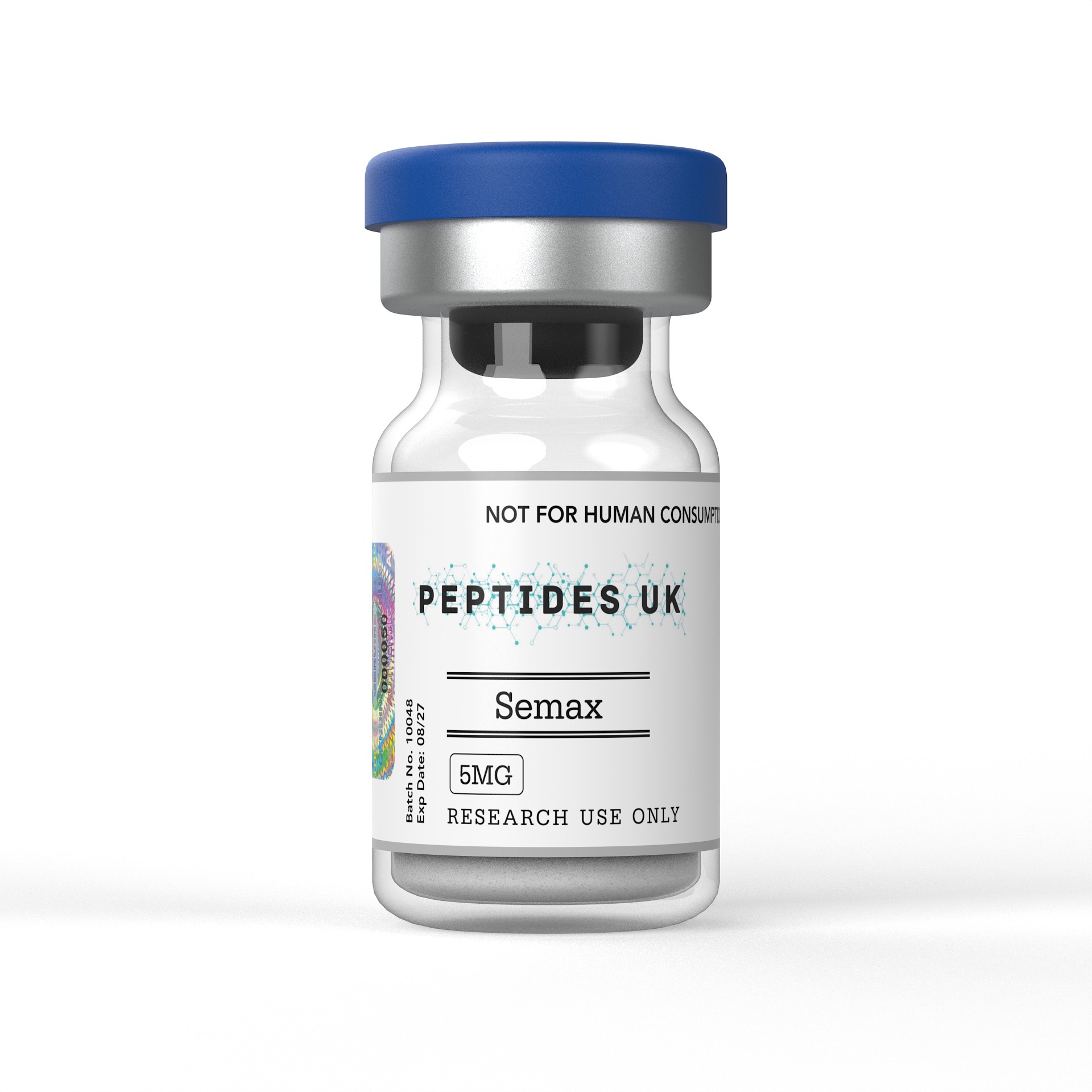
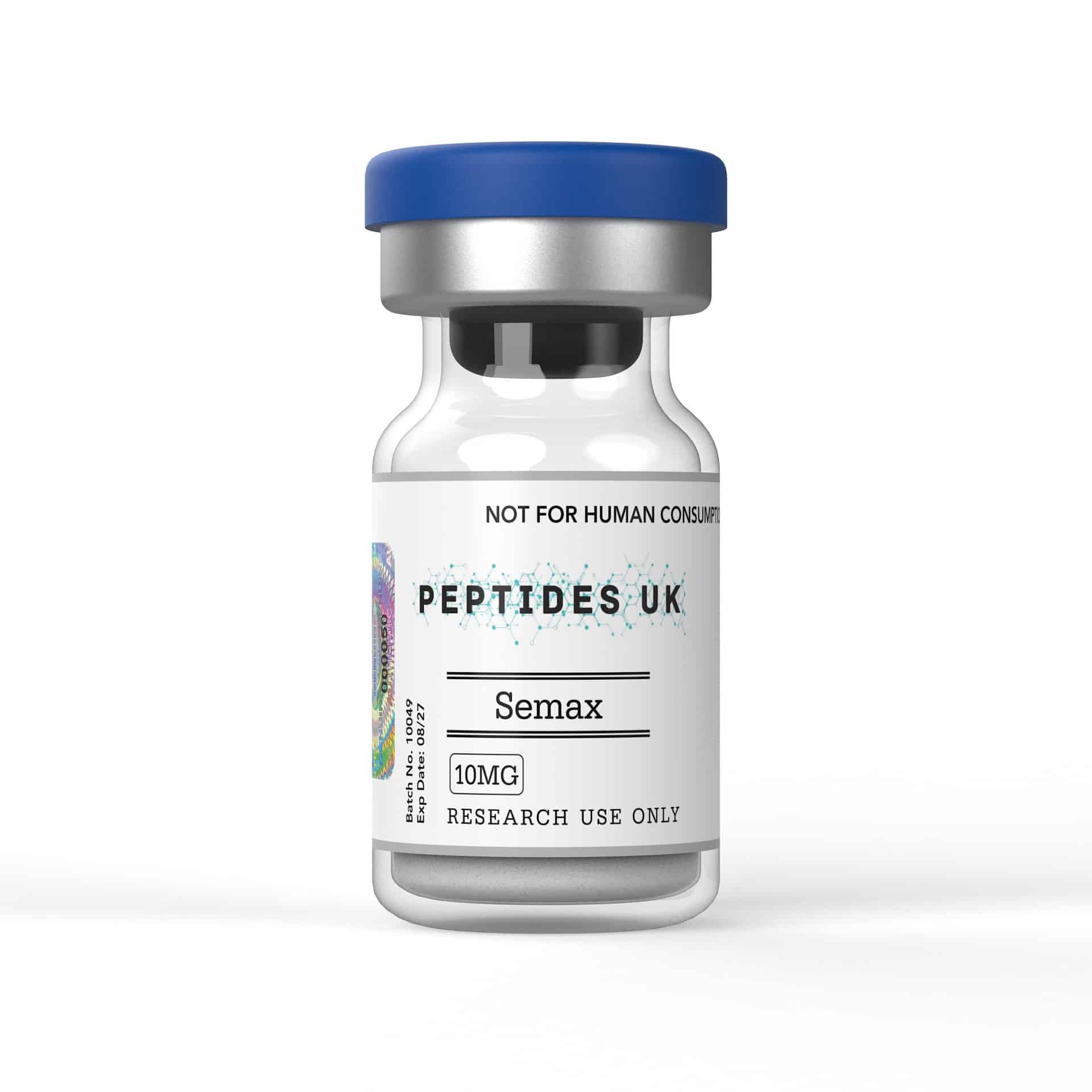
$23.00 – $40.50Price range: $23.00 through $40.50
Semax Peptide USA – Buy Online | In Stock & Ready to Ship
Buy Semax in the USA with fast domestic shipping and guaranteed ≥99% purity — fully verified with COA and HPLC documentation. A trusted choice for USA research teams studying cognitive enhancement, BDNF expression and neuroprotective signaling pathways, Semax is available in multiple formats to suit varying project needs. No international delays — just reliable, domestically sourced peptides USA researchers can count on.
For research use only. Not intended for human or veterinary use.
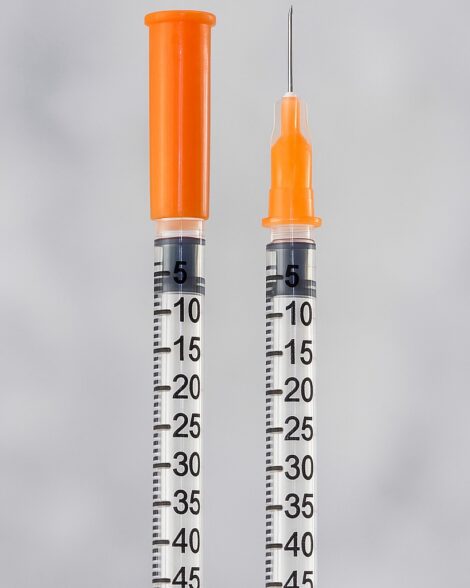

Semax (MEHFPGP; N-prolyl-MIF-1 analogue; heptapeptide ACTH(4–10) analogue) is a synthetic heptapeptide nootropic and neuroprotective research compound — carrying the amino acid sequence Met-Glu-His-Phe-Pro-Gly-Pro, derived from the adrenocorticotropic hormone (ACTH) fragment 4–10 with a C-terminal Pro-Gly-Pro extension that confers metabolic stability and prolongs central nervous system activity — developed at the Institute of Molecular Genetics of the Russian Academy of Sciences in Moscow during the 1980s and 1990s under the direction of Nikolai Myasoedov and colleagues, and representing the lead compound of the melanocortin-derived neuropeptide research family characterised by their capacity to modulate brain-derived neurotrophic factor (BDNF) and nerve growth factor (NGF) expression, serotonergic and dopaminergic neurotransmitter systems, HIF-1α-mediated hypoxia signalling, neuroinflammatory cascades, and cognitive and sensorimotor processing — studied extensively across BDNF and neurotrophin biology, cognition and memory research, ischaemic stroke and cerebral ischaemia, neuroprotection and neuroregeneration, attention and executive function, anxiety and stress neurobiology, spinal cord injury, optic nerve degeneration, peptidase biology, and the pharmacology of melanocortin-derived peptide fragments in the central nervous system — having received regulatory registration in Russia for ischaemic stroke and certain cognitive and neurological indications and been characterised in several decades of peer-reviewed research across multiple CNS and peripheral nervous system applications, making it the most extensively studied synthetic ACTH-derived neuropeptide in the modern CNS research literature. Researchers and institutions across the USA can source verified, research-grade Semax 30mg with fast domestic dispatch and full batch documentation included.
✅ ≥99% Purity — HPLC & Mass Spectrometry Verified
✅ Batch-Specific Certificate of Analysis (CoA) Included
✅ Sterile Lyophilised Powder | GMP Manufactured
✅ Fast Dispatch Across the USA | USA Peptides In Stock
Semax (CAS 80714-61-0) is a synthetic heptapeptide — carrying the amino acid sequence Met-Glu-His-Phe-Pro-Gly-Pro — with a molecular formula of C₃₇H₅₁N₉O₁₀S and a molecular weight of 813.93 g/mol. The peptide is water-soluble, carries a mixed charge profile at physiological pH reflecting its glutamate (acidic), histidine (imidazole; pKa ~6.0), and methionine residues, and is linear with free N- and C-termini in standard form. Its structural derivation from ACTH(4–10) — the minimal bioactive fragment of adrenocorticotropic hormone responsible for ACTH’s CNS effects on learning, attention, and behaviour — was recognised by Soviet researchers in the 1960s and 1970s, who established that ACTH fragments lacking steroidogenic activity retained potent centrally acting neuromodulatory properties through mechanisms entirely independent of the adrenal axis.
The development of Semax emerged from a systematic programme of ACTH fragment analogue research at the Institute of Molecular Genetics of the Russian Academy of Sciences. Researchers led by Nikolai Myasoedov recognised that the heptapeptide ACTH(4–10) fragment — Met-Glu-His-Phe-Pro-Gly-Pro — was rapidly degraded by brain peptidases, limiting its duration of CNS activity. The C-terminal Pro-Gly-Pro extension appended to create Semax was specifically designed to resist proteolytic cleavage: proline residues at the C-terminus create steric hindrance that substantially reduces carboxypeptidase accessibility, extending the metabolic half-life of the peptide in the nasal mucosa, cerebrospinal fluid, and brain parenchyma compared to unmodified ACTH(4–10). This metabolic stabilisation strategy — combined with the intrinsic CNS bioactivity of the ACTH(4–7) core pharmacophore (Met-Glu-His-Phe, the minimal sequence required for behaviour-modifying activity) — produced a compound with substantially greater CNS dwell time and magnitude of neurobiological effect than native ACTH fragments while retaining no steroidogenic or adrenal activity whatsoever.
Semax is characterised by an unusual pharmacokinetic profile for a heptapeptide: intranasal administration produces efficient CNS delivery via olfactory epithelium transcytosis and nasal lymphatic pathways, with studies in animal models documenting Semax accumulation in olfactory bulbs, cortex, hippocampus, and striatum following intranasal dosing. Peripheral administration routes — subcutaneous and intravenous — have also been characterised in research models, with CNS penetration documented in rodent studies attributable partly to the peptide’s modest molecular size and partly to the His residue’s capacity to interact with histidine-facilitated transport mechanisms at the blood-brain interface. The compound’s primary neurological activity is not mediated through the classical melanocortin receptor (MC1R–MC5R) pathway with the same potency as parent ACTH — mechanistic research has instead focused on Semax’s upregulation of neurotrophic factor expression, modulation of monoaminergic neurotransmitter systems, interaction with serine protease systems in CSF, and activation of HIF-1α hypoxia-response pathways as the primary contributors to its neuroprotective and cognitive-enhancing activity profile.
The compound has been registered in Russia under the brand name Semax as a nasal spray formulation for clinical use in ischaemic stroke rehabilitation, transient ischaemic attacks, cerebrovascular insufficiency, cognitive impairment, and related neurological indications — accumulating regulatory and clinical experience spanning several decades in the Russian medical literature. In Western research, Semax has attracted increasing interest as a pharmacological tool for investigating BDNF-dependent neuroplasticity, melanocortin-derived neuropeptide pharmacology, CNS ischaemia-reperfusion biology, and the interaction between neurotrophin signalling and cognitive function in rodent models — with its well-characterised mechanism, documented CNS bioavailability, and extensive safety profile in the Russian clinical literature making it one of the most accessible and best-characterised neuropeptides available for CNS research applications.
In controlled pre-clinical and laboratory settings, Semax has been studied across an exceptionally wide range of neurobiological, cognitive, neuroprotective, and neurotrophic research applications:
Semax’s most mechanistically characterised and reproducibly documented activity in pre-clinical research is the upregulation of brain-derived neurotrophic factor (BDNF) and its downstream signalling cascade. Studies in rodent models have documented that Semax administration — via intranasal, subcutaneous, and intravenous routes — produces significant increases in BDNF mRNA and protein expression in cortical and hippocampal tissue within hours of administration, with upregulation of TrkB receptor signalling and downstream activation of MAPK/ERK and PI3K/Akt pathways that mediate BDNF’s neurotrophic and neuroprotective effects. Research has further documented Semax-induced upregulation of nerve growth factor (NGF), neurotrophin-3 (NT-3), and their cognate Trk receptor signalling components — establishing Semax as a broad neurotrophin-upregulating agent rather than a selective BDNF inducer. Transcriptomic studies in rat models have characterised the temporal dynamics of Semax-induced gene expression changes in cerebral cortex, identifying upregulation of neurotrophic factor genes, immediate early genes (c-fos, arc), synaptic plasticity genes, and anti-apoptotic genes — with downregulation of pro-inflammatory and pro-apoptotic gene networks — providing a molecular landscape for understanding how Semax’s downstream transcriptional effects translate to neuroplasticity and neuroprotection at the cellular level.
Research has extensively characterised Semax’s effects on learning and memory in rodent models — with studies across Morris water maze, passive and active avoidance, novel object recognition, and radial arm maze paradigms consistently documenting that Semax improves acquisition of spatial and contextual learning, reduces error rates during maze navigation, enhances working and reference memory performance, and attenuates the cognitive deficits produced by hippocampal lesion, pharmacological cholinergic blockade (scopolamine), hypoxic challenge, and chronic stress exposure. Mechanistic studies have linked these cognitive effects to Semax-mediated increases in hippocampal BDNF expression, enhanced synaptic LTP (long-term potentiation) magnitude, modulation of hippocampal monoaminergic neurotransmission, and preservation of cholinergic system integrity — with particular research attention focused on Semax’s ability to attenuate scopolamine-induced amnesia and hypoxia-induced memory impairment as models of clinically relevant cognitive disruption. Studies examining Semax’s effects on attention — using sustained attention and vigilance paradigms in rats — have documented improvements in attentional accuracy and reduced distractibility, findings mechanistically attributed to dopaminergic and serotonergic modulation in prefrontal cortical circuits.
The most clinically developed application of Semax is in cerebral ischaemia — with pre-clinical research in rodent and primate models of middle cerebral artery occlusion (MCAO), global ischaemia, and carotid artery ligation consistently documenting that Semax administered at or shortly after ischaemic insult reduces infarct volume, attenuates neurological deficit scoring, preserves cortical and hippocampal neuronal density, reduces apoptotic cell death (TUNEL positivity, caspase activation), normalises mitochondrial function in peri-infarct tissue, reduces cerebral oedema, and improves long-term sensorimotor and cognitive recovery. The neuroprotective mechanism in ischaemia has been linked to multiple converging pathways: HIF-1α pathway activation — which upregulates endogenous protective gene programmes including EPO, VEGF, and glycolytic enzymes — BDNF-TrkB signalling preservation that supports neuronal survival in the ischaemic penumbra, reduction of excitotoxic glutamate neurotoxicity, attenuation of post-ischaemic neuroinflammation through downregulation of NF-κB-dependent inflammatory gene expression, and direct anti-apoptotic effects at the level of the mitochondrial permeability transition. Russian clinical trials registered Semax for ischaemic stroke rehabilitation based on randomised controlled data documenting accelerated neurological recovery, reduced disability at follow-up, and improved quality of life compared to control in ischaemic stroke patients treated with intranasal Semax during the subacute recovery phase.
A mechanistically significant and increasingly characterised Semax activity is activation of hypoxia-inducible factor 1-alpha (HIF-1α) signalling pathways — independent of actual hypoxic conditions. Research has documented that Semax upregulates HIF-1α mRNA and protein in cortical tissue under normoxic conditions, producing downstream activation of HIF-1α-responsive gene programmes including erythropoietin (EPO), vascular endothelial growth factor (VEGF), glucose transporter upregulation (GLUT-1, GLUT-3), and lactate dehydrogenase — gene products that collectively increase cellular hypoxia tolerance, promote angiogenesis, and augment glycolytic energy production capacity. This normoxic HIF-1α activation represents a pharmacological preconditioning-like mechanism: by engaging hypoxia tolerance gene programmes in advance of or immediately following ischaemic challenge, Semax equips neurons with the molecular machinery to survive energy deprivation and oxidative stress that would otherwise produce irreversible injury. Research has used Semax as a pharmacological tool to interrogate the contribution of HIF-1α pathway activation to neuroprotection in ischaemia models, distinguishing HIF-1α-dependent from HIF-1α-independent components of Semax’s protective profile.
Research has characterised Semax’s effects on monoaminergic neurotransmitter systems — documenting increases in dopamine, serotonin (5-HT), and their respective metabolite concentrations in cortical, striatal, and hippocampal brain regions following acute and subchronic Semax administration in rodents. Neurochemical studies using HPLC-EC detection of monoamines in microdissected brain regions have documented region-specific patterns of monoaminergic modulation, with prefrontal cortical dopamine and serotonin showing the most consistent and robust increases — a neurochemical profile consistent with Semax’s documented effects on attention, working memory, and anxiety-related behaviour. Studies examining Semax’s interaction with the dopaminergic system have characterised its capacity to attenuate dopaminergic neurotoxicity in MPTP and 6-OHDA models of Parkinson’s-relevant dopaminergic lesion — with Semax treatment reducing the magnitude of striatal dopamine depletion and tyrosine hydroxylase-positive cell loss in substantia nigra — establishing a potential role for ACTH-derived peptide research in dopaminergic neuroprotection research. Research in anxiety models has linked Semax’s anxiolytic-like effects in elevated plus maze and open field paradigms to serotonergic modulation, with 5-HT system involvement confirmed through pharmacological receptor blockade experiments.
Research has examined Semax’s effects on neuroinflammatory signalling — documenting suppression of pro-inflammatory cytokine expression (IL-1β, IL-6, TNF-α) in brain tissue following ischaemic, traumatic, and LPS-induced inflammatory challenges, alongside preservation of microglial morphological markers of homeostatic (non-reactive) surveillance state. Studies have characterised Semax’s capacity to modulate microglial activation states — reducing transition to the M1-like pro-inflammatory phenotype characterised by hypertrophied morphology, ED-1 positivity, and elevated TNF-α production, while preserving or promoting M2-like anti-inflammatory and phagocytic microglial activity associated with tissue repair and debris clearance. Research examining Semax’s effects on astrocytic biology has documented modulation of GFAP expression, glutamate transporter (GLT-1, GLAST) function, and astrocytic BDNF and NGF production — with the astrocytic neurotrophin secretion component proposed as a significant contributor to Semax’s neurotrophic profile, as astrocytes are major sources of parenchymal BDNF and NGF in the CNS. These glial biology findings establish Semax as a research tool for investigating the intersection between neurotrophin signalling, neuroinflammation, and glial cell function in CNS disease models.
Research has characterised Semax’s neuroprotective effects in models of optic nerve and retinal ganglion cell injury — with studies in optic nerve crush, elevated intraocular pressure, and ischaemic retinal injury models documenting that Semax attenuates retinal ganglion cell apoptosis, preserves optic nerve axon density, reduces retrograde neurodegeneration of the optic tract, and improves visual evoked potential amplitude and latency compared to vehicle-treated controls. The neuroprotective mechanism has been attributed to Semax-mediated BDNF upregulation in retinal tissue — which supports RGC survival through TrkB signalling — and to attenuation of the post-injury neuroinflammatory cascade in the retina and optic nerve. Russian clinical research has examined Semax as an adjunct in glaucoma and optic neuropathy management, with pilot clinical data suggesting improvements in visual field parameters — research that has informed subsequent pre-clinical mechanistic investigations of Semax in RGC biology.
Research has examined Semax’s effects in models of spinal cord injury (SCI) — documenting that post-injury Semax administration reduces lesion volume, promotes preservation of white matter architecture, attenuates post-traumatic cyst formation, modulates macrophage and microglial infiltration dynamics, upregulates NGF and BDNF expression in the peri-lesion spinal tissue, and improves hindlimb locomotor recovery scores in rodent contusion and compression SCI models. Studies have linked these SCI-protective effects to Semax’s combined neurotrophin-upregulating, anti-inflammatory, and anti-apoptotic activities — with particular interest in the BDNF and NGF upregulation as modulators of axonal sprouting and regeneration-associated gene expression in injured spinal neurons and supporting glia. Research in peripheral nerve injury models has further examined whether Semax-mediated neurotrophin upregulation supports peripheral axon regeneration and functional recovery following crush and transection injuries.
Given Semax’s derivation from ACTH — the pituitary hormone that drives cortisol production from the adrenal cortex — its relationship to the hypothalamic-pituitary-adrenal (HPA) stress axis is a significant research question. Studies have consistently confirmed that Semax, at research-relevant doses, produces no detectable steroidogenic activity and does not elevate circulating corticosterone or ACTH — its structural divergence from the ACTH steroidogenic core (ACTH(1–24)) ensuring complete dissociation from adrenal axis activation. Research has instead documented Semax’s effects on stress-related behaviour: attenuation of stress-induced anhedonia in sucrose preference paradigms, reduction of anxiety-like behaviour in elevated plus maze and open field tests following chronic unpredictable stress protocols, modulation of CRH and ACTH expression in the paraventricular nucleus under repeated stress conditions, and preservation of hippocampal BDNF expression under chronic stress — which normally produces significant hippocampal BDNF suppression. These findings establish Semax as a research tool for investigating the relationship between ACTH-derived peptide signalling, BDNF-dependent hippocampal neuroplasticity, and HPA axis regulation in stress biology.
A distinctive and mechanistically important dimension of Semax research is its interaction with serine proteases in cerebrospinal fluid — specifically tissue plasminogen activator (tPA) and related serine proteases. Research has documented that Semax is both a substrate and modulator of tPA activity in the CSF compartment — with studies characterising the proteolytic processing of Semax by tPA and the ability of Semax and its metabolite fragments to in turn modulate tPA enzymatic activity in a concentration-dependent manner. This bidirectional tPA-Semax interaction has research significance because tPA is a major CSF serine protease with roles in plasminogen activation, synaptic plasticity (LTP modulation), nociception, neuroinflammation, and post-ischaemic neurovascular remodelling — meaning Semax’s biological effects may be partly mediated through modulation of the CSF tPA proteolytic environment. Studies have used Semax as a pharmacological probe to investigate how neuropeptide-protease interactions in the CSF contribute to the regulation of neuroplasticity and neuroprotection pathways.
All applications are for research purposes only. Semax as supplied is not intended for human therapeutic use.
Semax has accumulated several decades of peer-reviewed research spanning neurotrophin biology, cognitive pharmacology, stroke neuroprotection, and neurochemical mechanism characterisation:
BDNF Upregulation and Neuroplasticity: Studies using quantitative RT-PCR and ELISA-based protein quantification have consistently documented Semax-induced increases in cortical and hippocampal BDNF mRNA and protein — with transcriptomic profiling establishing that Semax activates a broad pro-neuroplasticity gene expression programme including BDNF, NGF, TrkB, arc, and immediate early gene networks. These findings identify Semax as a pharmacological BDNF-upregulating tool with utility for investigating neurotrophin-dependent plasticity in research models.
Cognitive Pharmacology: Studies across multiple cognitive paradigms in rodents — including Morris water maze, passive avoidance, and novel object recognition — have documented consistent Semax-mediated improvements in spatial, contextual, and working memory performance, with effects attributable mechanistically to hippocampal BDNF upregulation, monoaminergic modulation, and preservation of cholinergic system function. Attenuation of scopolamine- and hypoxia-induced cognitive impairment has been particularly well-replicated across independent research groups.
Cerebral Ischaemia and Neuroprotection: Pre-clinical data in MCAO and global ischaemia models have documented reductions in infarct volume, improved neurological deficit recovery, and attenuation of post-ischaemic apoptotic cell death following Semax administration — with multiple converging protective mechanisms characterised including HIF-1α activation, BDNF-TrkB signalling preservation, anti-inflammatory cytokine modulation, and anti-apoptotic gene expression changes. Russian clinical registration for ischaemic stroke rehabilitation is supported by randomised controlled trial data from the Russian clinical literature documenting accelerated neurological recovery.
Monoaminergic Neurotransmitter Modulation: Neurochemical studies using HPLC-EC detection have documented region-specific increases in cortical and striatal dopamine and serotonin following Semax administration — with prefrontal cortical monoaminergic upregulation providing a neurochemical basis for Semax’s documented effects on attention, working memory, and anxiety-related behaviour in rodent models.
Optic Nerve and RGC Biology: Studies in optic nerve crush and elevated IOP models have documented Semax-mediated preservation of RGC viability and optic nerve axonal integrity — attributed to retinal BDNF upregulation and attenuation of post-injury neuroinflammation — with Russian pilot clinical data suggesting visual field effects that have stimulated further mechanistic pre-clinical investigation.
HIF-1α and Hypoxia Tolerance: Mechanistic research has established normoxic HIF-1α activation as a significant contributor to Semax’s neuroprotective profile — with documentation of downstream EPO, VEGF, and glycolytic gene upregulation in cortical tissue following Semax administration providing a molecular pharmacological basis for understanding how an ACTH-derived heptapeptide produces ischaemia-protective transcriptional changes.
| Feature | Semax | BPC-157 | Selank | Cerebrolysin |
|---|---|---|---|---|
| Type | Synthetic heptapeptide — ACTH(4–10) analogue | Synthetic pentadecapeptide — gastric juice-derived | Synthetic heptapeptide — tuftsin analogue | Porcine brain-derived peptide mixture |
| Origin | ACTH(4–10) fragment with C-terminal Pro-Gly-Pro extension | Body protection compound derived from human gastric juice protein BPC | Tuftsin (Thr-Lys-Pro-Arg) analogue with Gly-Gln-Pro extension | Low molecular weight neuropeptide fraction from porcine cerebral cortex |
| Primary CNS Mechanism | BDNF/NGF upregulation; HIF-1α activation; monoaminergic modulation; tPA-serine protease interaction | Angiogenesis (VEGF upregulation); nitric oxide system modulation; growth hormone receptor interaction; gut-brain axis | Anxiolytic — GABAergic modulation; immunomodulation (tuftsin receptor); anxiety/stress neurobiology | Multi-factor neurotrophin-like effects; undefined heterogeneous peptide mixture |
| Neurotrophin Effects | Well-characterised — BDNF, NGF, NT-3 upregulation with quantified dose-response data | Some BDNF modulation documented; primarily peripheral repair mechanisms | Indirect — anxiolysis may protect against stress-induced BDNF suppression | Described as neurotrophic; specific mechanisms uncharacterised due to mixture complexity |
| Blood-Brain Barrier Penetration | Documented — intranasal olfactory transcytosis; peripheral CNS accumulation in rodent studies | Limited direct CNS penetration; primarily peripheral and indirect CNS effects | Documented intranasal CNS delivery; structural similarity to Semax | Partially characterised; small peptide fraction crosses BBB |
| Primary Research Applications | Stroke/ischaemia; BDNF biology; cognitive pharmacology; neuroinflammation; RGC neuroprotection | Wound healing; gut-brain axis; angiogenesis; musculoskeletal repair; peripheral nerve regeneration | Anxiety neurobiology; immunomodulation; stress biology | Neurodegenerative disease; stroke rehabilitation; comparative neurotrophin pharmacology |
| Regulatory Status | Registered in Russia (ischaemic stroke, cognitive indications); research use elsewhere | Research compound; not approved in any jurisdiction | Research compound; developed at same Russian institute as Semax | Registered in multiple countries (EU, Russia) for neurological indications |
| Steroidogenic Activity | None — confirmed dissociation from adrenal/HPA axis activation | None | None | Not applicable |
| Key Mechanistic Distinction | ACTH-derived neurotrophin upregulator with HIF-1α axis; no adrenal axis activity | Peripheral repair and angiogenesis; primarily non-CNS mechanisms | Anxiolytic-immunomodulatory; structural/mechanistic complement to Semax | Complex undefined mixture; broad neurotrophin-like profile without mechanistic resolution |
| Parameter | Specification |
|---|---|
| Full Name | Semax (MEHFPGP; Pro-Gly-Pro-extended ACTH(4–10) analogue) |
| Sequence | Met-Glu-His-Phe-Pro-Gly-Pro (MEHFPGP) |
| Structural Basis | ACTH(4–10) fragment (Met-Glu-His-Phe-Pro-Gly-Pro) with C-terminal Pro-Gly-Pro extension for metabolic stability |
| CAS Number | 80714-61-0 |
| Molecular Formula | C₃₇H₅₁N₉O₁₀S |
| Molecular Weight | 813.93 g/mol |
| Peptide Length | 7 Amino Acids (Heptapeptide) — linear |
| N-Terminal Residue | Met (L-Methionine) — standard L-configuration |
| C-Terminal Modification | Free carboxyl (–OH) in standard form; C-terminal Pro-Gly-Pro extension provides proteolytic resistance |
| Metabolic Stability Mechanism | C-terminal Pro-Gly-Pro extension creates steric hindrance to carboxypeptidase degradation; extended CNS dwell time vs unmodified ACTH(4–10) |
| CNS Delivery Route (Research) | Intranasal (olfactory transcytosis); subcutaneous; intravenous — all characterised in rodent models |
| Primary Pharmacophore | ACTH(4–7) core: Met-Glu-His-Phe — minimal sequence for CNS behaviour-modifying activity |
| Primary Mechanisms | BDNF/NGF/NT-3 upregulation; HIF-1α activation; dopaminergic and serotonergic modulation; neuroinflammation attenuation; tPA-serine protease modulation |
| Steroidogenic Activity | None — no adrenal axis or melanocortin receptor-mediated steroidogenic effects at research doses |
| Discovery / Development | Institute of Molecular Genetics, Russian Academy of Sciences; Nikolai Myasoedov and colleagues; 1980s–1990s |
| Regulatory Status | Registered in Russia (Semax nasal spray) for ischaemic stroke, TIA, cerebrovascular insufficiency, cognitive indications; research use in USA |
| Key Research Applications | BDNF biology; cerebral ischaemia; cognitive pharmacology; neuroinflammation; optic nerve/RGC; dopaminergic neuroprotection; HIF-1α pharmacology; spinal cord injury |
| Peer-Reviewed Research | Several decades of publications; predominantly Russian literature with increasing international characterisation |
| Vial Size | 30mg |
| Purity | ≥99% (HPLC & MS Verified) |
| Form | Sterile Lyophilised Powder |
| Solubility | Excellent aqueous solubility — water, bacteriostatic water, PBS, physiological saline |
| Storage (Powder) | 2–8°C for routine storage; −20°C or below for long-term (>3 months) |
| Storage (Reconstituted) | 2–8°C; use within 7–14 days |
| Manufacturing | GMP Manufactured |
Every order includes full batch documentation:
✅ Batch-Specific Certificate of Analysis (CoA)
✅ HPLC Chromatogram
✅ Mass Spectrometry Confirmation
✅ Sterility & Endotoxin Testing Report
✅ Reconstitution Protocol
✅ Technical Research Support
Can I buy research-grade Semax in the USA? Yes. We supply research-grade Semax 30mg to researchers and institutions across the United States. All orders include full batch documentation and are packaged to maintain peptide integrity during transit. This compound is supplied strictly for laboratory research use only.
What is the relationship between Semax and ACTH, and why is steroidogenic dissociation significant for research? Semax is derived from ACTH(4–10) — the fragment of adrenocorticotropic hormone spanning residues 4 through 10 — which was established by pioneering work in the 1960s and 1970s as the minimal bioactive sequence responsible for ACTH’s central effects on learning, attention, motivation, and behavioural adaptation, entirely separate from ACTH’s peripheral action on adrenal cortisol production. The steroidogenic activity of ACTH resides in its N-terminal domain — specifically the ACTH(1–24) sequence that binds melanocortin-2 receptor (MC2R) on adrenocortical cells to drive cortisol synthesis — a region absent from Semax. This dissociation of CNS behavioural and neuroprotective activity from adrenal steroidogenic activity is pharmacologically critical: it means Semax’s effects on cognition, neurotrophin expression, and neuroprotection cannot be attributed to secondary consequences of elevated glucocorticoid levels (which would confound nearly every neurobiological readout), and that Semax can be used as a pharmacological tool to investigate ACTH-derived peptide mechanisms in the CNS without the profound and confounding neuroendocrine, metabolic, immunosuppressive, and musculoskeletal effects of elevated cortisol that would accompany any research use of intact ACTH.
What is the significance of the Pro-Gly-Pro C-terminal extension in Semax’s design? The C-terminal Pro-Gly-Pro tripeptide extension is the key structural innovation that distinguishes Semax from unmodified ACTH(4–10) and defines its practical utility as a CNS research compound. ACTH(4–10) itself — Met-Glu-His-Phe-Pro-Gly-Pro — encompasses the pharmacophoric core but is subject to rapid degradation by carboxypeptidases and dipeptidyl peptidases in nasal mucosal epithelium, blood, and cerebrospinal fluid, producing a very short duration of action that limits its research and clinical utility. The appended Pro-Gly-Pro sequence at the C-terminus creates steric crowding around the terminal carboxyl group — proline’s cyclic pyrrolidine ring cannot adopt the planar conformation required for optimal carboxypeptidase catalytic geometry, substantially reducing the rate of C-terminal cleavage. This metabolic stabilisation strategy extends Semax’s brain dwell time by an order of magnitude compared to ACTH(4–10), enabling significantly greater magnitude and duration of BDNF upregulation, HIF-1α pathway activation, and monoaminergic modulation per administered dose. The Pro-Gly-Pro extension is also notable as the C-terminal tripeptide of endogenous ACTH (ACTH(39) ends in –Val-Lys-Gly-Pro), reflecting a structural logic grounded in the natural protease-resistant structural features of the parent hormone’s C-terminus.
How does Semax upregulate BDNF and what is the relevance of BDNF to CNS research? The precise molecular receptor or transducer through which Semax initiates its BDNF-upregulating signalling cascade remains an active area of mechanistic investigation — with proposed mechanisms including interaction with melanocortin receptors expressed in the CNS (MC4R is widely expressed in hypothalamus, cortex, and hippocampus and is known to modulate neurotrophin expression), modulation of cAMP-PKA-CREB transcriptional pathway activation (the canonical BDNF gene transactivation pathway through CRE regulatory elements in the BDNF promoter), and direct modulation of serine protease activity in CSF that in turn regulates neurotrophic signalling. Regardless of the initiation mechanism, BDNF’s significance as a downstream effector of Semax is substantial: BDNF is the most widely expressed and most critically important neurotrophin in the adult mammalian brain — supporting neuronal survival, dendritic arborisation, synaptic vesicle docking and release, long-term potentiation induction and maintenance, adult hippocampal neurogenesis, and activity-dependent synaptic plasticity. BDNF levels in hippocampus and prefrontal cortex are reduced by chronic stress, ageing, neurodegenerative disease, hypoxia, and most neurological injuries — making pharmacological BDNF upregulation by Semax a research-relevant intervention for investigating the contribution of neurotrophin deficiency to CNS dysfunction across a wide range of disease models.
What is HIF-1α and why is Semax’s normoxic HIF-1α activation mechanistically significant? HIF-1α (hypoxia-inducible factor 1-alpha) is the master transcriptional regulator of the cellular hypoxia response — a transcription factor that under hypoxic conditions is stabilised (escaping the proteasomal degradation that destroys it rapidly in normoxia) and translocates to the nucleus to activate hundreds of hypoxia-response element (HRE)-containing genes, including erythropoietin (EPO), VEGF, GLUT-1, GLUT-3, lactate dehydrogenase, and a broad set of cytoprotective, pro-survival, and metabolic adaptation genes. The mechanistic significance of Semax’s ability to activate HIF-1α under normoxic conditions is that it pharmacologically engages the entire hypoxia tolerance gene programme as a form of molecular preconditioning — equipping neurons with elevated expression of survival-promoting, energy-mobilising, and angiogenic gene products before or immediately following ischaemic challenge, dramatically extending the window of survivable ischaemia duration and the magnitude of functional recovery. This normoxic HIF-1α activation mechanism is distinct from the classical pathway (which requires actual oxygen deprivation for HIF-1α stabilisation) and research attention has focused on characterising whether Semax achieves HIF-1α stabilisation through prolyl hydroxylase domain enzyme (PHD) inhibition, reactive oxygen species-mediated PHD inhibition, or direct transcriptional upregulation of HIF-1α — questions that remain active areas of Semax mechanistic research.
How is Semax reconstituted for laboratory research use? Allow the lyophilised vial to equilibrate to room temperature before opening to minimise condensation. Semax is a water-soluble heptapeptide that dissolves readily in sterile water, bacteriostatic water, PBS, and physiological saline — add reconstitution vehicle slowly down the vial wall and swirl gently to ensure complete dissolution without foaming. The methionine residue at the N-terminus is susceptible to oxidation under conditions of prolonged oxygen exposure or elevated temperature — prepare working solutions from frozen aliquots where possible and minimise time at room temperature. For intranasal delivery protocols in rodent models, physiological saline or PBS is the standard vehicle. For in vitro neuronal culture or primary neuron applications, prepare working stocks in complete cell culture medium or, for high-concentration stocks, PBS or sterile water with subsequent dilution into culture medium at the time of treatment. Bacteriostatic water extends multi-use solution stability at 2–8°C for up to 7–14 days; for longer storage, aliquot working solutions into single-use volumes and store at -20°C. The Met residue’s susceptibility to sulphoxide formation under oxidative conditions means reconstituted solutions should be protected from prolonged light and air exposure. Lyophilised powder is stable at 2–8°C for routine use and at -20°C or below for long-term storage beyond three months.
What purity is required for Semax research? ≥98% is considered acceptable for general biological activity screening, but ≥99% purity is strongly preferred for BDNF/NGF quantification studies, HIF-1α pathway characterisation, neurochemical monoamine measurement, cognitive behaviour pharmacology dose-response experiments, electrophysiological LTP characterisation, and in vitro neuronal viability and apoptosis assays — where impurities, methionine oxidation products, or sequence truncation variants could produce confounding biological signals or reduce the effective biological activity of the administered dose. Mass spectrometry confirmation of the correct molecular weight — verifying intact Met (unoxidised), Glu, His, Phe, Pro, Gly, Pro sequence — is a critical quality parameter alongside overall purity percentage, as partial methionine oxidation to the sulphoxide form produces a compound with an 16 Da mass shift and potentially reduced biological activity. All Semax supplied for USA researchers is independently verified to ≥99% with mass spectrometry confirmation of the correct intact molecular weight.
Semax is supplied exclusively for legitimate scientific research purposes conducted within licensed laboratory environments. This product is not intended for human consumption, self-administration, or any therapeutic application. It must be handled by qualified researchers in compliance with applicable US federal and state regulations and institutional ethics guidelines. By purchasing, you confirm that this compound will be used solely for approved in vitro or pre-clinical research purposes.
Receive News