PRODUCTS SOLD ON PEPTIDESLABUSA.COM ARE FOR RESEARCH PURPOSES ONLY AND ARE NOT FOR HUMAN OR VETERINARY USE.
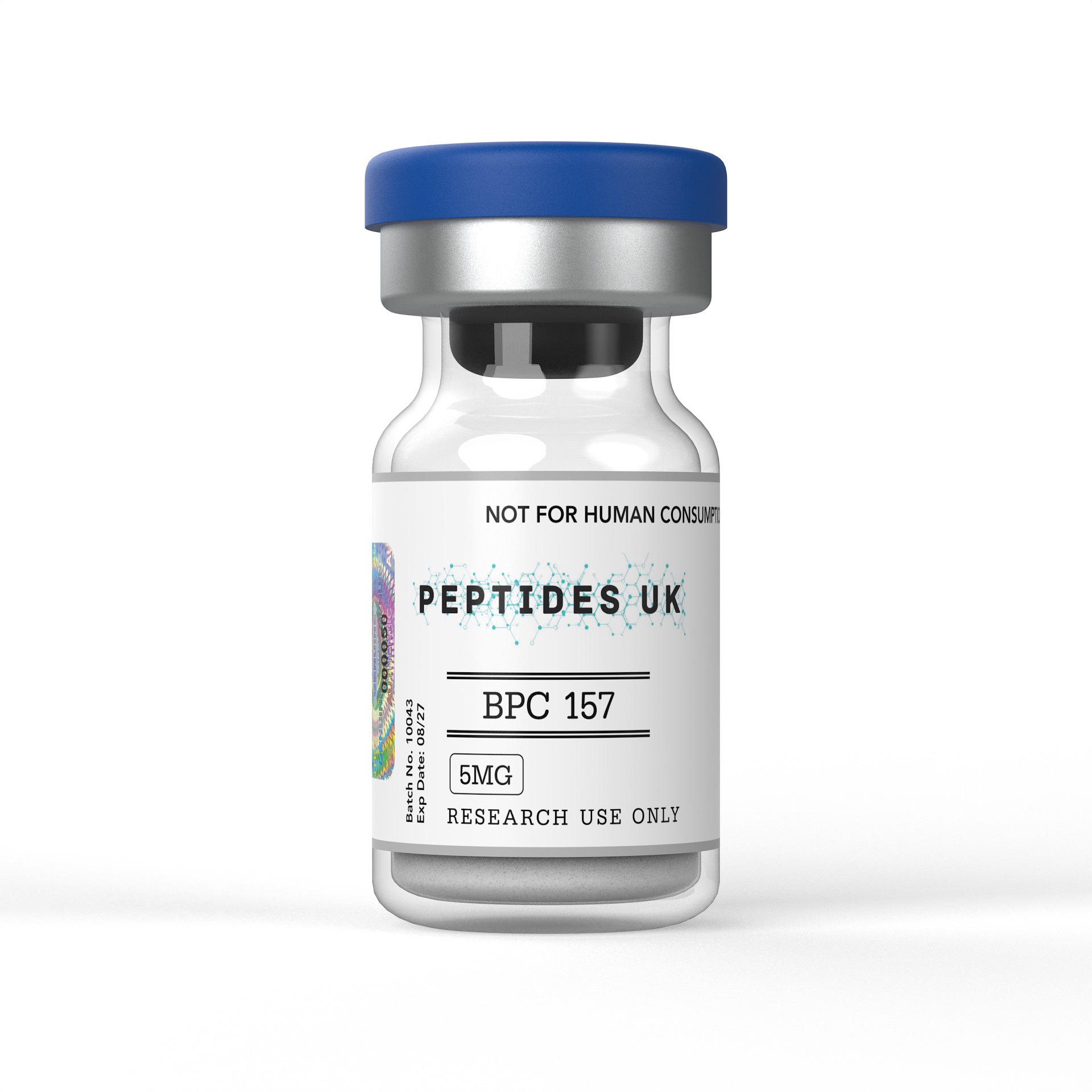
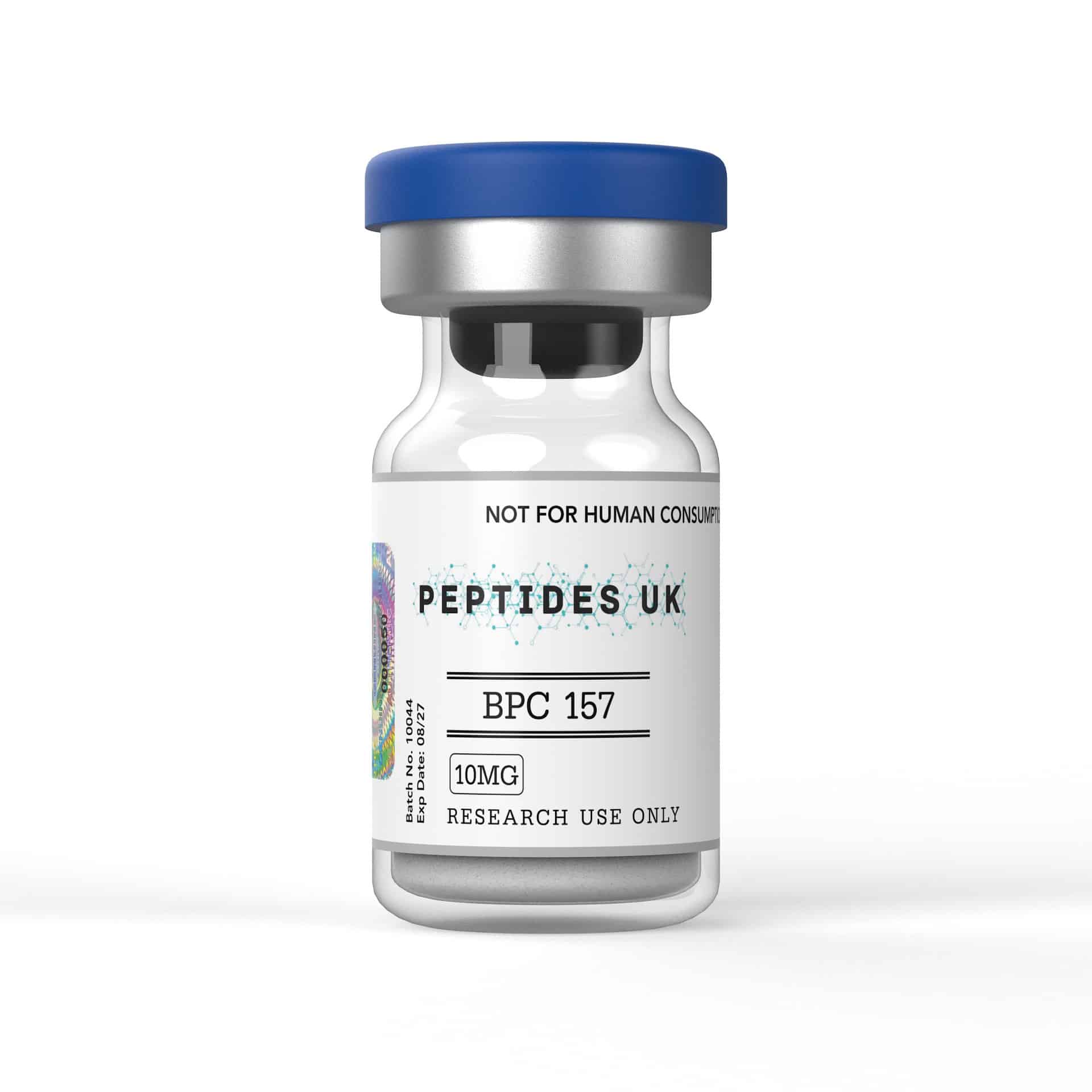
$24.50 – $45.50Price range: $24.50 through $45.50
BPC-157 Peptide USA – Buy Online | In Stock & Ready to Ship
Buy BPC-157 in the USA with fast domestic shipping and guaranteed ≥99% purity — fully verified with COA and HPLC documentation. A trusted choice for USA research teams studying tissue repair, gut lining integrity and wound healing pathways, BPC-157 is available in multiple formats to suit varying project needs. No international delays — just reliable, domestically sourced peptides USA researchers can count on.
For research use only. Not intended for human or veterinary use.

BPC 157 (Body Protection Compound 157) is a synthetic pentadecapeptide derived from a protective protein found in human gastric juice, studied extensively across regenerative biology, gastrointestinal research, musculoskeletal science, and neuroprotection for its broad influence on tissue repair signalling, angiogenesis, and cellular protection — making it one of the most versatile and actively researched repair-focused peptides in modern pre-clinical science. Researchers and institutions across the USA can source verified, research-grade BPC 157 with fast domestic dispatch and full batch documentation included.
✅ ≥99% Purity — HPLC & Mass Spectrometry Verified
✅ Batch-Specific Certificate of Analysis (CoA) Included
✅ Sterile Lyophilised Powder | GMP Manufactured
✅ Fast Dispatch Across the USA | USA Peptides In Stock
BPC 157 is a 15-amino acid synthetic peptide derived from a naturally occurring protective protein found in human gastric juice. The “157” designation refers to its position within the parent protein sequence. Despite its gastric origins, BPC 157 has been studied across a remarkably wide range of tissue types and biological systems — making it one of the most broadly researched repair and cytoprotection peptides in pre-clinical science.
BPC 157 does not bind to a single well-defined receptor in the way many peptides do. Instead, research suggests it exerts its effects through multiple overlapping pathways — including nitric oxide (NO) system modulation, growth factor receptor upregulation (particularly VEGFR2 and EGFR), FAK-paxillin pathway activation, and interactions with the dopaminergic and serotonergic systems. This multi-pathway activity is thought to underlie its broad cytoprotective and repair-promoting effects observed across diverse tissue types in pre-clinical models.
BPC 157 is one of the most searched and purchased research peptides in the USA, with growing demand from research institutions, universities, and biotech companies studying tissue repair, gastrointestinal biology, and regenerative science.
In controlled pre-clinical and laboratory settings, BPC 157 has been studied across an exceptionally wide range of biological and physiological research applications:
Gastrointestinal Research BPC 157’s most established research application is in gastrointestinal biology. Studies have examined its cytoprotective effects on gastric and intestinal mucosa in pre-clinical models of GI injury, inflammation, and ulceration — reflecting its origins as a gastric-derived peptide and its observed influence on mucosal integrity and gut barrier function.
Tendon and Ligament Repair Research A significant body of pre-clinical research has examined BPC 157’s influence on tendon and ligament healing. Studies have reported accelerated tendon-to-bone healing, increased tendon cell (tenocyte) proliferation and migration, and upregulation of growth factor receptors in tendon tissue models — making tendon biology one of the most active BPC 157 research areas.
Muscle Repair Research Studies have examined BPC 157’s effects on skeletal muscle healing in pre-clinical injury models, including crush injuries and surgical transection models — exploring how BPC 157 influences myocyte survival, muscle regeneration signalling, and functional recovery timelines.
Bone Healing Research Research has examined BPC 157’s influence on bone repair and osteoblast activity in pre-clinical fracture models, with studies exploring how it affects bone healing speed, callus formation, and the signalling environment around bone injury sites.
Angiogenesis Research BPC 157 has been studied for its influence on angiogenesis — the formation of new blood vessels — in pre-clinical wound and tissue repair models. Research has examined how BPC 157 affects VEGF signalling, endothelial cell behaviour, and new vessel formation in healing tissue, as vascular supply is critical to effective tissue repair.
Neuroprotection and CNS Research BPC 157 receptors and activity have been observed in the central nervous system, and research has examined its influence on neuroprotection, dopaminergic and serotonergic system modulation, and neurological recovery in pre-clinical brain and spinal cord injury models.
Nitric Oxide System Research A key proposed mechanism of BPC 157 is its interaction with the nitric oxide (NO) system. Studies have examined how BPC 157 influences NO production and NO-dependent signalling pathways — which are central to vascular function, inflammation regulation, and tissue repair signalling.
Inflammation Research Pre-clinical studies have examined BPC 157’s influence on inflammatory markers and pathways in various tissue injury models, exploring how it modulates the local inflammatory environment during tissue repair — a key determinant of healing outcomes.
Organ Protection Research Studies have examined BPC 157’s cytoprotective effects in pre-clinical models of organ stress and injury — including liver, heart, kidney, and lung models — reflecting research interest in its broader systemic protective signalling properties.
Wound Healing Research BPC 157 has been studied in pre-clinical wound healing models, with research examining its effects on wound closure speed, granulation tissue formation, collagen deposition, and the overall tissue repair process in skin and soft tissue injury models.
All applications are for research purposes only. BPC 157 as supplied is not intended for human therapeutic use.
BPC 157 has accumulated one of the broadest and most diverse pre-clinical research profiles of any synthetic peptide in modern regenerative science:
Gastrointestinal Protection: Pre-clinical studies have consistently reported BPC 157’s cytoprotective effects on gastric and intestinal mucosa across a wide range of GI injury models — including NSAID-induced damage, alcohol-induced injury, and surgical anastomosis models — establishing it as one of the most studied peptides in GI repair research.
Tendon and Musculoskeletal Healing: A substantial body of pre-clinical research has reported accelerated healing outcomes in tendon, ligament, and muscle injury models following BPC 157 administration — with studies documenting effects on tenocyte activity, growth factor receptor expression, and structural repair markers in animal models.
Angiogenesis and Vascular Biology: Research has documented BPC 157’s influence on angiogenic signalling in pre-clinical models, with studies reporting upregulation of VEGFR2 expression and enhanced new vessel formation in healing tissue — suggesting a vascular mechanism that may underlie its broad tissue repair activity.
Nitric Oxide Pathway: Studies have highlighted BPC 157’s interaction with the NO system as a potential central mechanism, with research examining how NO modulation connects BPC 157’s observed effects across multiple tissue types and biological systems.
Neuroprotective Effects: Pre-clinical neurological research has reported protective effects of BPC 157 in brain and spinal cord injury models, with studies examining dopaminergic and serotonergic system interactions — expanding BPC 157 research well beyond its original GI focus.
Multi-System Activity: One of BPC 157’s most notable research characteristics is the consistency of repair-promoting effects observed across highly diverse tissue types and injury models in pre-clinical studies — driving sustained scientific interest in its underlying mechanisms and making it a uniquely broad-spectrum repair research tool.
| Feature | BPC 157 | TB-500 (Thymosin β4) | GHK-Cu | Ipamorelin |
|---|---|---|---|---|
| Type | Synthetic gastric-derived pentadecapeptide | Synthetic thymosin peptide | Copper peptide | GH secretagogue |
| Primary Research Focus | GI protection, tendon, muscle, neuro repair | Actin regulation, wound healing, cardiac repair | Skin, wound healing, collagen synthesis | GH release, metabolic research |
| Mechanism | Multi-pathway — NO system, VEGFR2, FAK-paxillin | Actin sequestration, cell migration | Copper-dependent tissue remodelling | GHSR activation |
| Half-Life | Stable in research conditions | Moderate | Variable | ~2 hours |
| Best For | Broad tissue repair / GI / neuro pre-clinical studies | Wound healing / cardiac / cytoskeletal research | Skin biology / collagen / anti-ageing research | GH axis / metabolic studies |
| Parameter | Specification |
|---|---|
| Full Name | Body Protection Compound 157 (BPC 157) |
| Peptide Length | 15 Amino Acids |
| Type | Synthetic pentadecapeptide — gastric protein derived |
| Purity | ≥99% (HPLC & MS Verified) |
| Form | Sterile Lyophilised Powder |
| Solubility | Sterile water, bacteriostatic water, dilute acetic acid |
| Storage (Powder) | -20°C, protect from light |
| Storage (Reconstituted) | 2–8°C, use promptly |
| Manufacturing | GMP Manufactured |
Every order includes full batch documentation:
✅ Batch-Specific Certificate of Analysis (CoA)
✅ HPLC Chromatogram
✅ Mass Spectrometry Confirmation
✅ Sterility & Endotoxin Testing Report
✅ Reconstitution Protocol
✅ Technical Research Support
Can I buy research-grade BPC 157 in the USA? Yes. We supply research-grade BPC 157 to researchers and institutions across the United States. All orders include full batch documentation and are packaged to maintain peptide integrity during transit. This compound is supplied strictly for laboratory research use only.
What does BPC 157 stand for? BPC stands for Body Protection Compound. The 157 refers to its position within the sequence of the parent gastric protein from which it is derived. It is a 15-amino acid synthetic peptide that replicates a fragment of this naturally occurring gastric protein, which has been studied for its cytoprotective properties across multiple tissue types in pre-clinical research.
What is the difference between BPC 157 and TB-500? BPC 157 and TB-500 (Thymosin Beta-4) are both widely researched repair-focused peptides, but they work through different mechanisms and have different primary research applications. BPC 157 is a gastric-derived peptide studied primarily for GI protection, tendon and muscle repair, and neuroprotection via multi-pathway signalling including the NO system and VEGFR2. TB-500 is a thymosin-derived peptide studied primarily for its role in actin regulation, cell migration, wound healing, and cardiac repair. They are often studied in combination in pre-clinical models given their complementary mechanisms.
What is BPC 157’s mechanism of action in research? Unlike many peptides that act through a single defined receptor, BPC 157 research suggests it works through multiple overlapping pathways — including nitric oxide system modulation, upregulation of growth factor receptors such as VEGFR2 and EGFR, FAK-paxillin signalling pathway activation, and interactions with the dopaminergic and serotonergic systems. This multi-pathway activity is thought to underlie the broad range of tissue types and injury models in which repair-promoting effects have been observed in pre-clinical research.
What purity is required for BPC 157 research? ≥98% is considered research-grade, but ≥99% purity is strongly preferred for tissue repair studies, receptor signalling experiments, and angiogenesis research where compound purity directly affects experimental accuracy. All BPC 157 supplied for USA researchers is independently verified to ≥99%.
How is BPC 157 reconstituted for lab use? Allow the vial to reach room temperature before opening. BPC 157 is typically reconstituted with sterile water or bacteriostatic water — add the solvent slowly down the vial wall and swirl gently without shaking. If solubility is challenging, dilute acetic acid can be used as an alternative solvent. Use promptly after reconstitution or aliquot and store at -80°C to preserve peptide activity across multiple experimental uses.
BPC 157 (Body Protection Compound 157) is supplied exclusively for legitimate scientific research purposes conducted within licensed laboratory environments. This product is not intended for human consumption, self-administration, or any therapeutic application. It must be handled by qualified researchers in compliance with applicable US federal and state regulations and institutional ethics guidelines. By purchasing, you confirm that this compound will be used solely for approved in-vitro or pre-clinical research purposes.
Receive News