
PRODUCTS SOLD ON PEPTIDESLABUSA.COM ARE FOR RESEARCH PURPOSES ONLY AND ARE NOT FOR HUMAN OR VETERINARY USE.
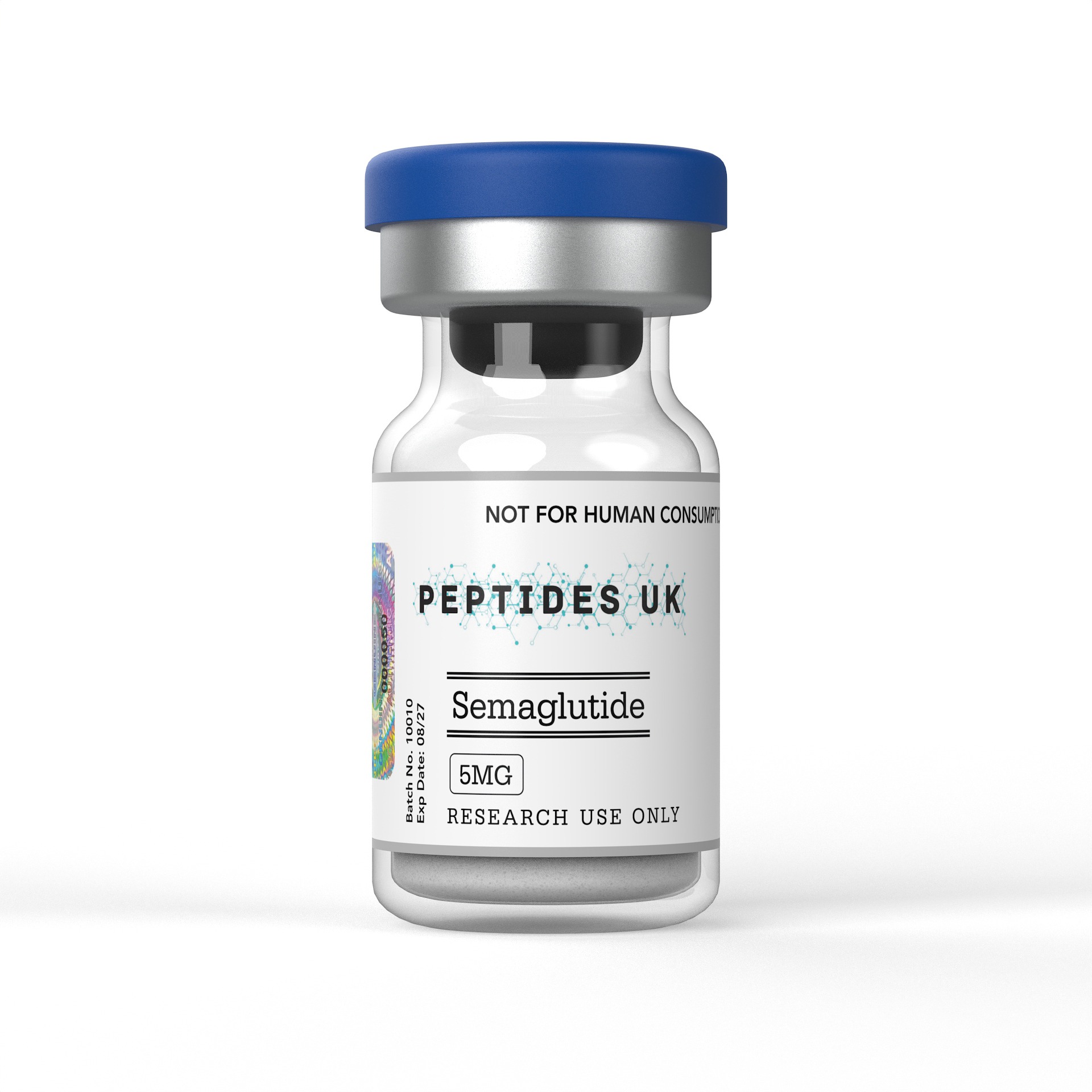
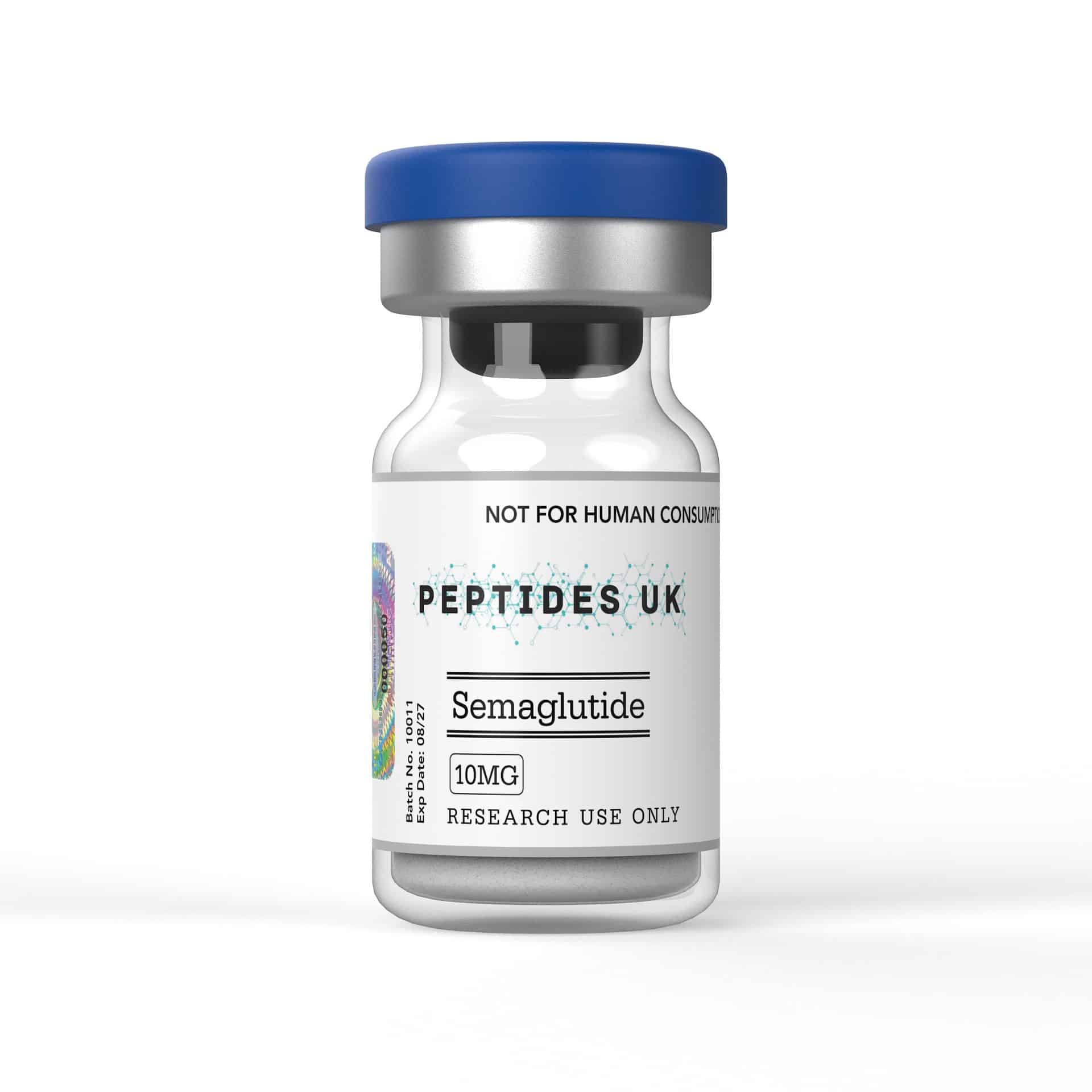
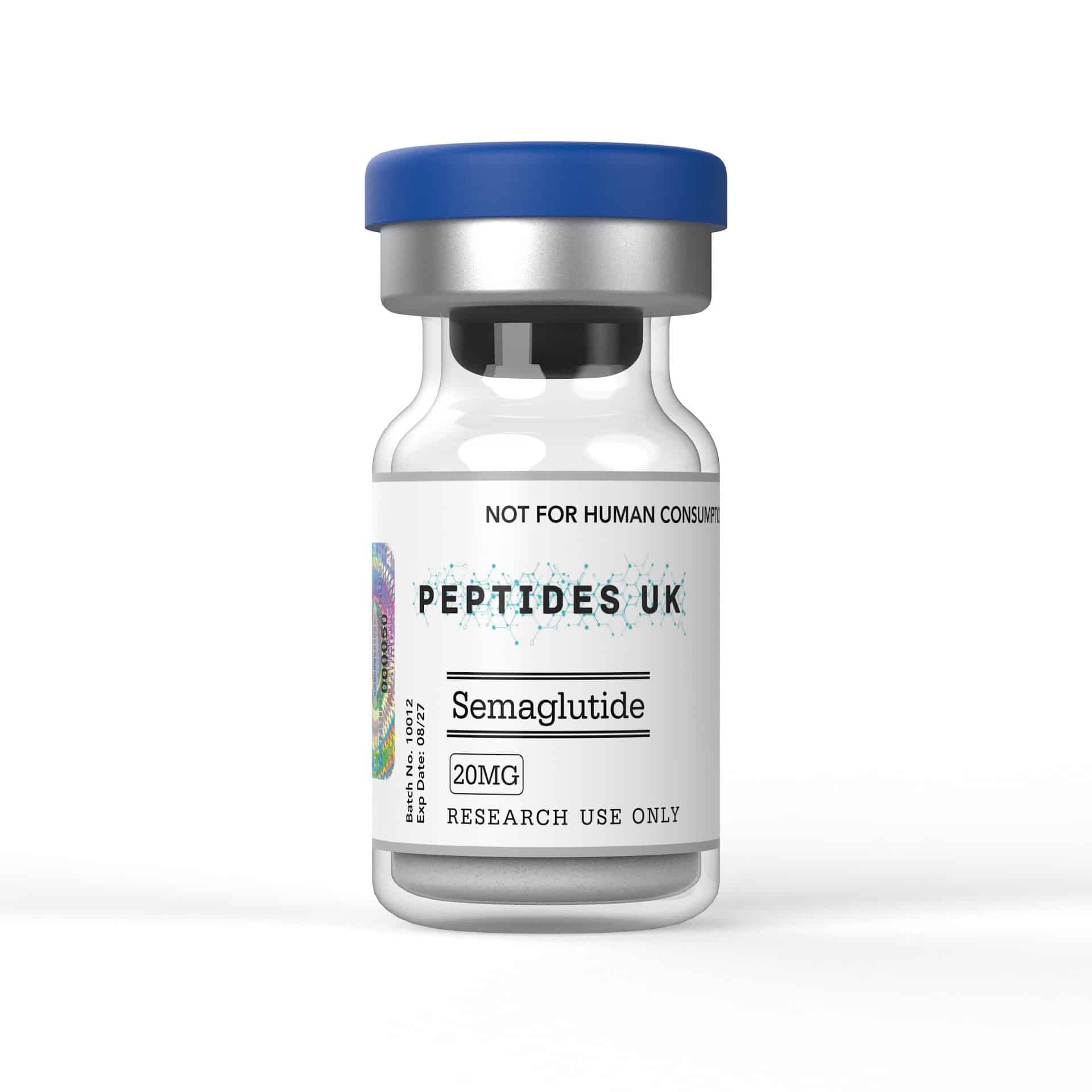
$79.00 – $199.50Price range: $79.00 through $199.50
Semaglutide Peptide USA – Buy Online | In Stock & Ready to Ship
Buy Semaglutide in the USA with fast domestic shipping and guaranteed ≥99% purity — fully verified with COA and HPLC documentation. A trusted choice for USA research teams studying GLP-1 receptor agonism, appetite suppression and metabolic glucose regulation pathways, Semaglutide is available in multiple formats to suit varying project needs. No international delays — just reliable, domestically sourced peptides USA researchers can count on.
For research use only. Not intended for human or veterinary use.

Semaglutide is a synthetic long-acting GLP-1 receptor agonist peptide engineered to resist DPP-4 enzymatic degradation, studied extensively across metabolic biology, obesity research, insulin secretion, cardiovascular science, and neuroprotection for its potent and sustained activation of the GLP-1 receptor and its position as the gold standard single-receptor GLP-1R agonist in modern metabolic research — making it the most widely studied and consequential GLP-1 receptor agonist research compound currently available in metabolic science. Researchers and institutions across the USA can source verified, research-grade Semaglutide with fast domestic dispatch and full batch documentation included.
✅ ≥99% Purity — HPLC & Mass Spectrometry Verified
✅ Batch-Specific Certificate of Analysis (CoA) Included
✅ Sterile Lyophilised Powder | GMP Manufactured
✅ Fast Dispatch Across the USA | USA Peptides In Stock
Semaglutide is a 31-amino acid synthetic analogue of native GLP-1 (Glucagon-Like Peptide-1), engineered with three key structural modifications that transform the endogenous incretin hormone’s two-minute half-life into an approximately seven-day half-life suitable for sustained receptor activation research. These modifications include a single amino acid substitution at position 8 to resist DPP-4 cleavage, a C18 fatty diacid chain attached via a short linker to enable albumin binding, and a minor backbone modification to further enhance stability — together producing a compound that maintains full GLP-1 receptor agonist activity while achieving the extended plasma persistence needed for long-duration research protocols.
Semaglutide acts exclusively at the GLP-1 receptor (GLP-1R) — a G protein-coupled receptor expressed in the pancreas, brain, heart, gastrointestinal tract, and multiple other tissues — where it activates the same downstream cAMP-PKA signalling cascade as endogenous GLP-1 but with far greater duration and potency due to its extended half-life and albumin-binding design.
As the most extensively characterised GLP-1R agonist in research literature, Semaglutide occupies a unique position in metabolic peptide science — serving both as a primary research tool for sustained GLP-1R activation studies and as the pharmacological benchmark against which newer compounds including Tirzepatide and Retatrutide are characterised and compared. It is one of the most searched and purchased research peptides available to buy in the USA, with active use across metabolic disease, obesity, cardiovascular, and neuroscience research programs nationwide.
In controlled pre-clinical and laboratory settings, Semaglutide has been studied across a wide range of metabolic, endocrinological, cardiovascular, and neurological research applications:
GLP-1 Receptor Pharmacology Research Semaglutide is the gold standard reference compound for sustained GLP-1R activation research. Studies use Semaglutide to examine GLP-1R binding characteristics, receptor internalisation and downregulation dynamics, cAMP-PKA signalling pathway activation, and how prolonged receptor occupancy affects downstream biological responses — research questions that cannot be studied with short-acting native GLP-1.
Insulin Secretion Research Semaglutide’s glucose-dependent stimulation of insulin secretion from pancreatic beta cells is one of its most studied research functions. Studies have examined how sustained GLP-1R activation by Semaglutide affects insulin secretion magnitude, glucose-dependency thresholds, beta cell cAMP signalling, and how prolonged incretin receptor stimulation compares to acute native GLP-1-driven secretion.
Glucose Homeostasis Studies Research has examined Semaglutide’s comprehensive effects on postprandial and fasting glucose regulation — including its coordinated influence on insulin secretion, glucagon suppression, gastric emptying delay, and hepatic glucose output — to understand how sustained GLP-1R activation maintains glucose homeostasis across extended research timelines.
Obesity and Body Weight Research Semaglutide has been studied extensively in pre-clinical obesity models, with research examining its effects on food intake, appetite signalling, energy expenditure, and fat mass reduction. Studies have explored how sustained hypothalamic and brainstem GLP-1R activation influences appetite-regulating neural circuits and feeding behaviour in animal models.
Glucagon Suppression Research Semaglutide suppresses glucagon secretion from pancreatic alpha cells in a glucose-dependent manner. Research has examined how sustained GLP-1R activation affects glucagon dynamics over extended timescales — a key component of how Semaglutide influences overall glucose balance beyond its direct insulin secretion effects.
Pancreatic Beta Cell Research Studies have examined Semaglutide’s trophic effects on beta cell biology, including its influence on beta cell proliferation, apoptosis resistance, insulin gene expression, and secretory capacity under sustained GLP-1R stimulation — contributing to research on incretin-driven beta cell preservation and function.
Cardiovascular Research GLP-1 receptors are expressed in cardiac and vascular tissue, and research has examined Semaglutide’s influence on heart rate, cardiac function, endothelial biology, and inflammatory markers in pre-clinical cardiovascular models — reflecting the significant cardiovascular dimension of sustained GLP-1R activation research.
Appetite and Central Nervous System Research Semaglutide crosses the blood-brain barrier and activates GLP-1R in the hypothalamus, brainstem, and other CNS regions. Research has examined how central GLP-1R activation by Semaglutide influences appetite-regulating neural circuits, reward pathway biology, and food intake behaviour in pre-clinical models — a rapidly growing area of metabolic neuroscience research.
Neuroprotection Research GLP-1 receptors are expressed throughout the brain, and emerging research has examined Semaglutide’s neuroprotective properties in pre-clinical neurodegeneration and neuroinflammation models — exploring how sustained GLP-1R activation influences neuronal survival, inflammatory signalling, and cognitive biology parameters.
Lipid Metabolism Research Studies have examined Semaglutide’s effects on lipid metabolism in pre-clinical models — including triglyceride levels, hepatic lipid accumulation, and fatty acid metabolism — reflecting the broad metabolic influence of sustained GLP-1R activation beyond glucose regulation alone.
Benchmark Comparator Research As the most extensively characterised single-receptor GLP-1R agonist, Semaglutide serves as the primary pharmacological benchmark in comparative incretin research — used alongside Tirzepatide and Retatrutide to isolate the contribution of GLP-1R activation from the additional GIPR and GCGR effects of newer multi-receptor compounds.
All applications are for research purposes only. Semaglutide as supplied is not intended for human therapeutic use.
Semaglutide has generated the largest and most extensively documented research profile of any GLP-1 receptor agonist in metabolic science:
GLP-1R Pharmacology: Research has thoroughly characterised Semaglutide’s receptor binding affinity, GLP-1R activation kinetics, cAMP signalling profile, and receptor internalisation dynamics — establishing it as the most pharmacologically well-defined GLP-1R agonist available for research and the standard reference compound against which all newer GLP-1R agonists are characterised.
Glucose Regulation: Pre-clinical metabolic studies have consistently documented Semaglutide’s comprehensive glucose-lowering profile, with research examining its coordinated effects on insulin secretion, glucagon suppression, gastric emptying, and hepatic glucose metabolism across extended study timelines — establishing it as the benchmark for sustained GLP-1R-mediated glucose regulation research.
Obesity and Appetite Research: Pre-clinical obesity studies have reported substantial effects on body weight, food intake, and fat mass in animal models, with research documenting both peripheral and central GLP-1R-mediated mechanisms — including hypothalamic appetite circuit modulation and reward pathway biology — contributing foundational data to the understanding of GLP-1R-driven weight regulation.
Beta Cell Research: Studies have reported Semaglutide’s trophic effects on pancreatic beta cells in pre-clinical models, with research documenting influences on beta cell mass, proliferation, apoptosis resistance, and insulin secretory capacity under sustained GLP-1R stimulation — generating sustained research interest in incretin-driven beta cell biology.
Cardiovascular Research: Pre-clinical cardiovascular research has characterised Semaglutide’s effects on cardiac function, vascular biology, and inflammatory markers — establishing a well-documented cardiovascular research profile for GLP-1R agonism that has driven continued investigation into the cardiac dimensions of incretin biology.
Neuroprotection: Pre-clinical neurological research has reported neuroprotective effects of Semaglutide in models of neurodegeneration and neuroinflammation, with studies examining how sustained GLP-1R activation influences neuronal survival, amyloid biology, and neuroinflammatory markers — making it a key research tool in the emerging field of incretin neuroscience.
Benchmark Role: Semaglutide’s position as the pharmacological gold standard for GLP-1R agonist research means it appears as a comparator compound in virtually every study examining newer incretin compounds including Tirzepatide and Retatrutide — cementing its role as the essential reference point for the entire GLP-1R agonist research field.
| Feature | Semaglutide | Tirzepatide | Retatrutide | Native GLP-1 |
|---|---|---|---|---|
| Type | Synthetic GLP-1 analogue | GLP-1R / GIPR dual agonist | GLP-1R / GIPR / GCGR triple agonist | Endogenous incretin |
| Receptor Target | GLP-1R only | GLP-1R + GIPR | GLP-1R + GIPR + GCGR | GLP-1R only |
| Half-Life | ~7 days | ~5 days | ~6 days | ~2 minutes |
| DPP-4 Resistance | Yes | Yes | Yes | No |
| Key Research Role | Gold standard GLP-1R agonist / benchmark comparator | Dual incretin co-stimulation studies | Tri-receptor metabolic research | Acute receptor pharmacology / reference ligand |
| Best For | Sustained GLP-1R activation / benchmark comparator research | Dual receptor / obesity / metabolic studies | Advanced metabolic / energy expenditure research | Receptor pharmacology / acute signalling |
| Parameter | Specification |
|---|---|
| Full Name | Semaglutide |
| Peptide Length | 31 Amino Acids |
| Type | Synthetic long-acting GLP-1 receptor agonist |
| Receptor Target | GLP-1R (GLP-1 Receptor) |
| Purity | ≥99% (HPLC & MS Verified) |
| Form | Sterile Lyophilised Powder |
| Solubility | Sterile water, bacteriostatic water, PBS |
| Storage (Powder) | -20°C, protect from light |
| Storage (Reconstituted) | 2–8°C, use promptly |
| Manufacturing | GMP Manufactured |
Every order includes full batch documentation:
✅ Batch-Specific Certificate of Analysis (CoA)
✅ HPLC Chromatogram
✅ Mass Spectrometry Confirmation
✅ Sterility & Endotoxin Testing Report
✅ Reconstitution Protocol
✅ Technical Research Support
Can I buy research-grade Semaglutide in the USA? Yes. We supply research-grade Semaglutide to researchers and institutions across the United States. All orders include full batch documentation and are packaged to maintain peptide integrity during transit. This compound is supplied strictly for laboratory research use only.
What makes Semaglutide different from native GLP-1 in research? Native GLP-1 is the endogenous incretin hormone with a half-life of approximately two minutes — making it ideal for acute receptor pharmacology and short-duration signalling studies. Semaglutide is a structurally modified GLP-1 analogue with a half-life of approximately seven days, achieved through DPP-4 resistance modifications and albumin-binding fatty acid chain attachment. In research terms, native GLP-1 is used as the reference ligand for acute GLP-1R pharmacology, while Semaglutide is used when sustained receptor activation, long-duration metabolic studies, and extended timeline research protocols are required.
What is the difference between Semaglutide and Tirzepatide in research? Semaglutide is a selective GLP-1R agonist — it activates only the GLP-1 receptor, making it the gold standard for isolated GLP-1R pharmacology research. Tirzepatide is a dual agonist targeting both GLP-1R and GIPR simultaneously. Researchers use Semaglutide when studying GLP-1R-specific effects in isolation or when a well-characterised benchmark comparator is needed, and Tirzepatide when studying the combined incretin effect of dual GLP-1R and GIPR co-stimulation and the distinct metabolic contributions of GIPR activation.
Why is Semaglutide considered the gold standard GLP-1R agonist for research? Semaglutide has the most extensively characterised pharmacological profile of any GLP-1R agonist in research literature — with decades of pre-clinical studies documenting its receptor binding kinetics, signalling profile, metabolic effects, cardiovascular activity, and CNS biology across a wide range of research models. This depth of characterisation makes it the essential benchmark comparator for all newer GLP-1R and multi-receptor incretin compounds, and the default reference point for the entire GLP-1R agonist research field.
What purity is required for Semaglutide research? ≥98% is considered research-grade, but ≥99% purity is strongly preferred for GLP-1R binding assays, insulin secretion studies, metabolic research, and cardiovascular experiments where compound purity directly affects pharmacological accuracy. All Semaglutide supplied for USA researchers is independently verified to ≥99%.
How is Semaglutide reconstituted for lab use? Allow the vial to reach room temperature before opening. Add sterile water, bacteriostatic water, or PBS slowly down the vial wall and swirl gently — do not shake. Use promptly after reconstitution, or aliquot and store at -80°C to preserve peptide activity across multiple experimental uses. Avoid repeated freeze-thaw cycles.
Semaglutide is supplied exclusively for legitimate scientific research purposes conducted within licensed laboratory environments. This product is not intended for human consumption, self-administration, or any therapeutic application. It must be handled by qualified researchers in compliance with applicable US federal and state regulations and institutional ethics guidelines. By purchasing, you confirm that this compound will be used solely for approved in-vitro or pre-clinical research purposes.
Receive News